Dubai's technology startup scene is hitting new heights this quarter, with venture capital deployment across the emirate reaching levels not seen since the post-pandemic boom. The momentum reflects a broader shift in how the region's innovation hubs are attracting international attention and investment.
In Silicon Oasis, the dedicated tech free zone that has become synonymous with Dubai's startup ambitions, activity is particularly brisk. The 7.2-square-kilometre development now hosts over 1,200 registered tech companies, many of them in their growth phase. Industry observers report that lease rates in the zone have stabilized around AED 120-150 per square metre annually—a premium compared to broader Dubai commercial space, but reflective of the infrastructure and networking benefits the location offers.
The shift extends beyond traditional office space. Across Jumeirah Lake Towers and the Business Bay waterfront precinct, co-working operators and innovation accelerators report near-full occupancy for the first time since 2024. Several established players in the corporate technology sector have recently announced satellite operations in these locations, signalling confidence in the local talent pool and ecosystem maturity.
What's driving current momentum? Several factors converge. Firstly, regulatory clarity around blockchain and digital assets—reinforced by the Virtual Assets Regulatory Authority framework—continues to attract fintech entrepreneurs. Secondly, artificial intelligence specialization is attracting both regional and international talent. Job postings for AI engineers, machine learning specialists, and data scientists across Dubai's tech companies have increased 47% year-on-year, according to industry recruitment data.
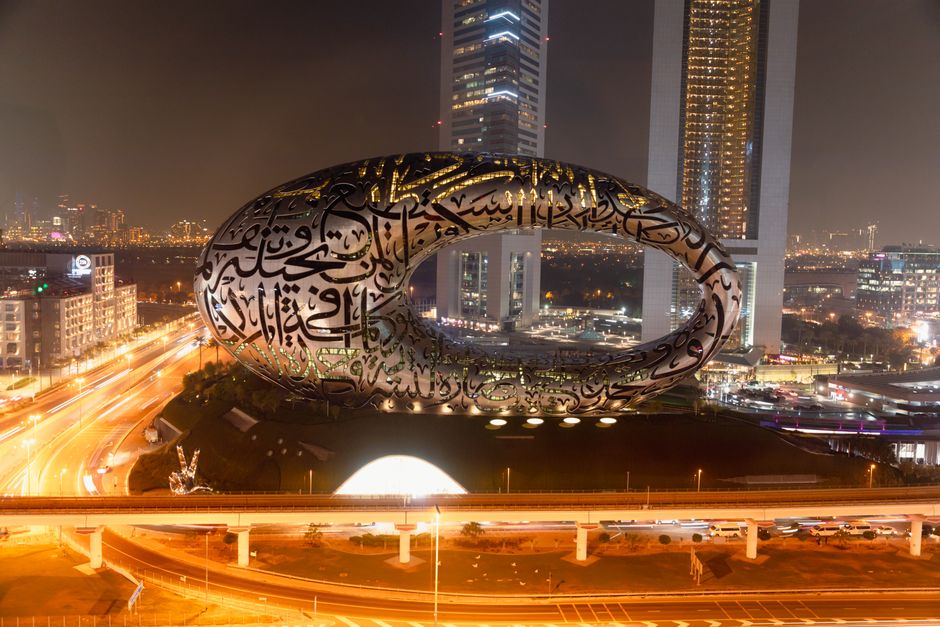
Government initiatives continue to play a supporting role. The Dubai Future District initiative, launched near Downtown and the World Trade Centre, has begun onboarding its first cohort of deep-tech companies focusing on sustainability and smart city applications. The district offers subsidized workspace and mentorship, with participation expanding this year.
However, challenges persist. Talent retention remains a key concern for local founders—Dubai's highly mobile professional population means that competing for experienced technologists requires competitive equity packages and growth narratives that rival global opportunities.
For investors monitoring the region, the current window represents a critical inflection point. Homegrown champions in logistics technology, hospitality innovation, and renewable energy software are reaching scale, while second-wave startups are emerging in verticals previously dominated by imports. The next 18 months will determine whether Dubai's innovation narrative transitions from government-backed promotion to self-sustaining market dynamics.
This article was compiled by AI from the sources linked above and screened before publishing. See our editorial standards.