The remote work revolution that swept the globe has fundamentally reshaped Dubai's employment market. For job seekers and professionals considering moves to or within the emirate, the rules of engagement have changed—and staying informed is critical.
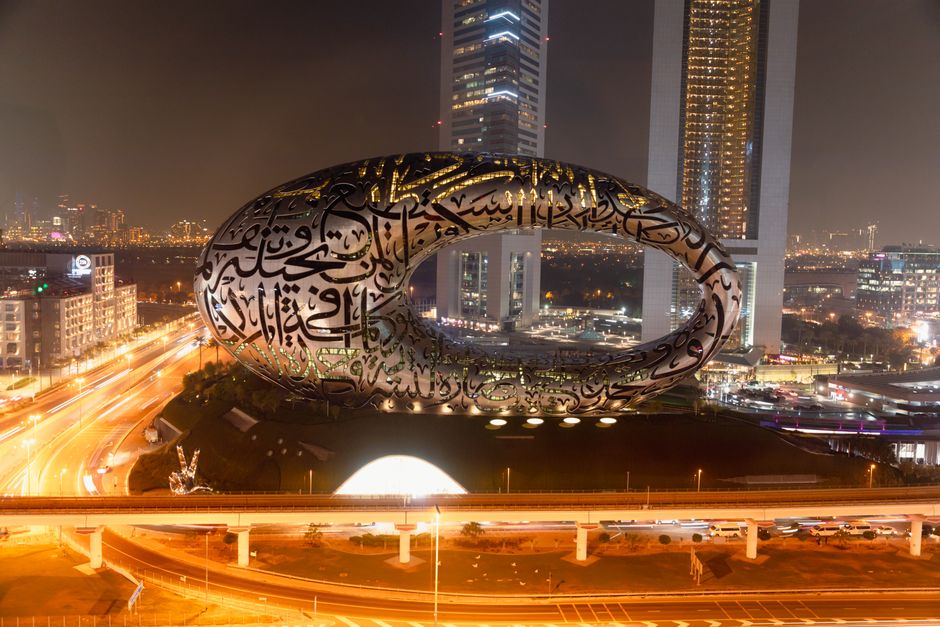
Dubai's coworking sector has matured dramatically since the pandemic. Spaces like those scattered across Business Bay, Dubai Silicon Oasis, and increasingly in newer hubs like Dubai South now offer hot desks starting around AED 800-1,200 monthly, with dedicated desks ranging from AED 1,500 to AED 3,500 depending on location and amenities. Premium providers in Downtown Dubai command higher premiums, reflecting the prestige of their addresses near the Burj Khalifa and Emirates Towers precinct.
However, cost alone shouldn't drive your decision. Professionals should scrutinize visa sponsorship arrangements. Unlike traditional employment, remote workers—particularly those serving international clients or parent companies abroad—face a precarious legal position. The UAE's remote work visa programme, introduced in 2020, remains limited and expensive (around AED 500-1,000 monthly). Many freelancers and digital nomads operate in a grey zone, making understanding your legal obligations non-negotiable before accepting remote-only positions.
Location strategy matters intensely in Dubai's sprawling geography. Working from Business Bay offers proximity to major corporate clients and established networking circles, but daily commutes during peak hours can consume two hours or more. Conversely, emerging nodes like Dubai South present lower costs but may lack the infrastructure and professional density that accelerate career growth. Job seekers should factor in commute time when evaluating remote-friendly roles that still require occasional office attendance.
The market data tells an important story: approximately 35% of Dubai-based professionals now work hybrid arrangements, according to recent HR surveys. Companies across sectors—finance, technology, marketing, and consulting—have embedded flexibility into job descriptions. Yet this doesn't mean unlimited freedom. Most organisations expect 1-3 days per week in physical offices for collaboration and relationship-building.
For job seekers, this environment offers leverage. During interviews, confidently negotiate location flexibility based on your role's nature. Technical positions often enjoy more freedom than client-facing roles. Document these arrangements formally; verbal agreements about remote arrangements have proven worthless when employment disputes arise.
Finally, consider the tax implications. While the UAE's zero personal income tax remains attractive, those working for international employers must understand their home country's tax obligations. Professional tax advice—increasingly necessary in Dubai's 2026 economic landscape—should precede any remote arrangement.
The future of work in Dubai isn't location-agnostic; it's strategically flexible. Success requires informed decisions about visa status, cost, geography, and legal compliance.
This article was compiled by AI from the sources linked above and screened before publishing. See our editorial standards.