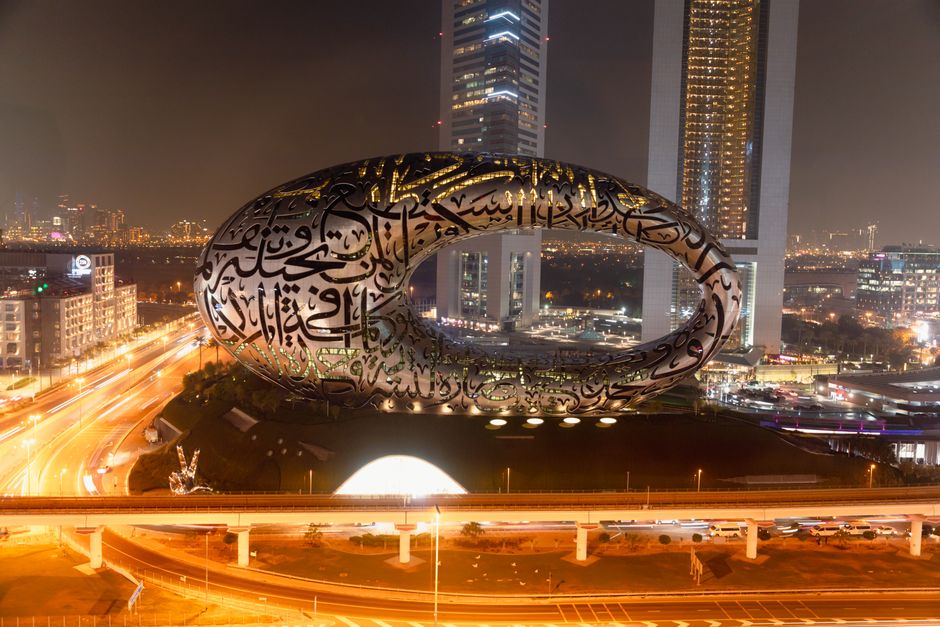
Walk through the gleaming corridors of Dubai International Financial Centre (DIFC) in Downtown Dubai, and you'll notice something absent from most global fintech hubs: a palpable sense of regulatory confidence. This isn't Silicon Valley's move-fast-and-break-things ethos, nor is it the bureaucratic glacialism of Frankfurt or London. It's something uniquely positioned for 2026's fragmented financial landscape.
The DIFC, established as an independent financial jurisdiction within Dubai, operates under English common law—a critical distinction. While fintech firms in Hong Kong navigate Chinese oversight, and those in Singapore balance regional pressures, DIFC-licensed entities enjoy legal frameworks designed explicitly for digital-first financial services. The zone now hosts over 3,000 registered companies, with fintech representing roughly 18 percent of new registrations annually, according to recent DIFC authority data.
What makes Dubai's ecosystem genuinely distinctive isn't just regulatory flexibility—it's geographic and financial arbitrage. The city sits at the intersection of three major capital flows: petrodollars from the Gulf Cooperation Council, emerging-market wealth from South Asia and East Africa, and increasingly, institutional capital from Europe seeking regulatory predictability elsewhere. A senior executive at one DIFC-based remittance fintech noted in recent remarks that their customer acquisition cost for corridors between South Asia and the UAE runs 35 percent below comparable platforms operating from traditional Western hubs.
The real estate of innovation matters too. While Dubai's startup scene once clustered around the Dubai Silicon Oasis in the southern suburbs, the convergence of fintech talent now spans the Business Bay waterfront to the newly revitalized Jumeirah Lake Towers area, where co-working facilities and fintech incubators have multiplied. The proximity to DIFC regulators—literally a 15-minute drive from most tech offices—accelerates the regulatory feedback loop that traditional hubs cannot match.
Yet Dubai's fintech distinctiveness carries an implicit warning for would-be entrepreneurs. Success here isn't about disrupting legacy banking; it's about servicing underbanked regions with compliant, scalable infrastructure. The city's leading fintech success stories focus on cross-border payments, Islamic finance digitization, and trade finance automation—not retail app-based banking that might cannibalize the traditional Gulf banking sector.
As regulatory fragmentation deepens globally—with the UK, EU, and U.S. pursuing increasingly divergent fintech frameworks—Dubai's position becomes less incidental and more strategic. It offers what few cities can: regulatory alignment with Western standards, geographic proximity to high-growth markets, and capital availability without the political friction that now constrains other international financial centres.
This article was compiled by AI from the sources linked above and screened before publishing. See our editorial standards.