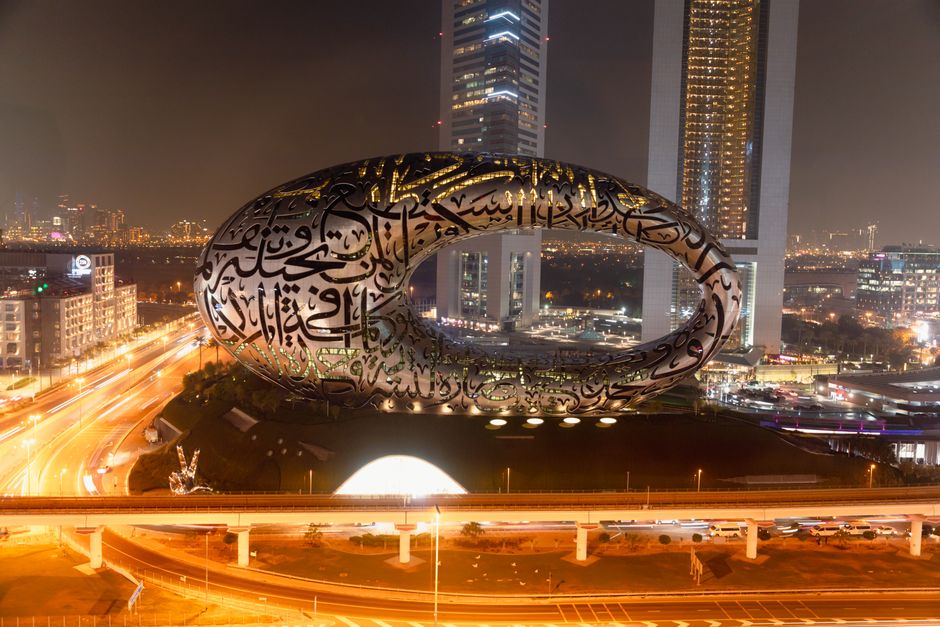
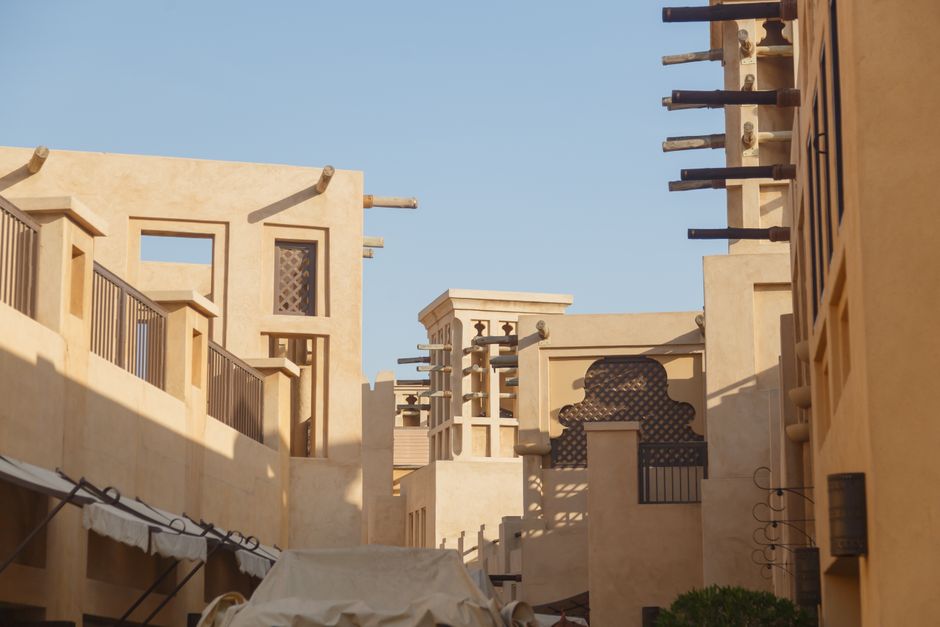
Walk through the gleaming corridors of Dubai Silicon Oasis or the converted warehouses of Al Quoz Industrial, and you'll witness a transformation that few predicted a decade ago. The emirate has evolved from a trading hub into a genuine venture capital destination, with funding dynamics that rival established tech centres across Asia and Europe.
Last year marked a watershed moment. Venture capital deployed across Dubai-based startups reached approximately $1.5 billion—a 40 per cent increase from 2024. This surge reflects a fundamental shift: international investors now view the emirate not as a secondary market, but as a primary gateway for innovation across the Middle East, North Africa, and South Asia.
The infrastructure supporting this growth tells the real story. Entities like the Dubai Future Foundation and in5, the innovation hub in Dubai Silicon Oasis, have systematically built networks connecting founders with institutional capital. The Dubai International Financial Centre, positioned in the Downtown Dubai precinct, has emerged as a crucial regulatory bridge, enabling cross-border fund operations with clarity that many competitors lack.
What's driving the money? Sector diversification explains much of it. Early-stage cleantech startups are attracting significant cheques—particularly those addressing water scarcity and energy efficiency, critical challenges in the Gulf region. Fintech remains dominant, with blockchain and Islamic finance applications securing rounds of $5 million to $20 million. Increasingly, AI and logistics technology are capturing investor attention, reflecting both global trends and regional supply-chain demands.
The emergence of regional venture funds based in Dubai has accelerated momentum further. Funds focused on Series A and B rounds—previously scarce—now have five-plus new players managing $500 million-plus in assets collectively. This addresses a historical gap where promising startups struggled to find growth-stage capital without relocating to Silicon Valley.
Yet challenges remain. The average ticket size for seed rounds still lags behind comparative ecosystems, hovering around $400,000 to $700,000. Talent acquisition remains competitive, with engineers and product leaders commanding premium salaries. Regulatory frameworks for emerging sectors like autonomous systems continue evolving.
Despite headwinds, momentum is undeniable. The narrative has shifted from whether Dubai could build a sustainable startup ecosystem to how quickly it will consolidate its position as the region's undisputed innovation capital. For founders and investors, the window of opportunity is decidedly open.
This article was compiled by AI from the sources linked above and screened before publishing. See our editorial standards.