Why Dubai's AI-Driven Business Model Has Become a Global Outlier
Unlike Silicon Valley's startup frenzy, the emirate has built a distinctive ecosystem where AI serves established enterprises and governments—not the other way around.
Unlike Silicon Valley's startup frenzy, the emirate has built a distinctive ecosystem where AI serves established enterprises and governments—not the other way around.
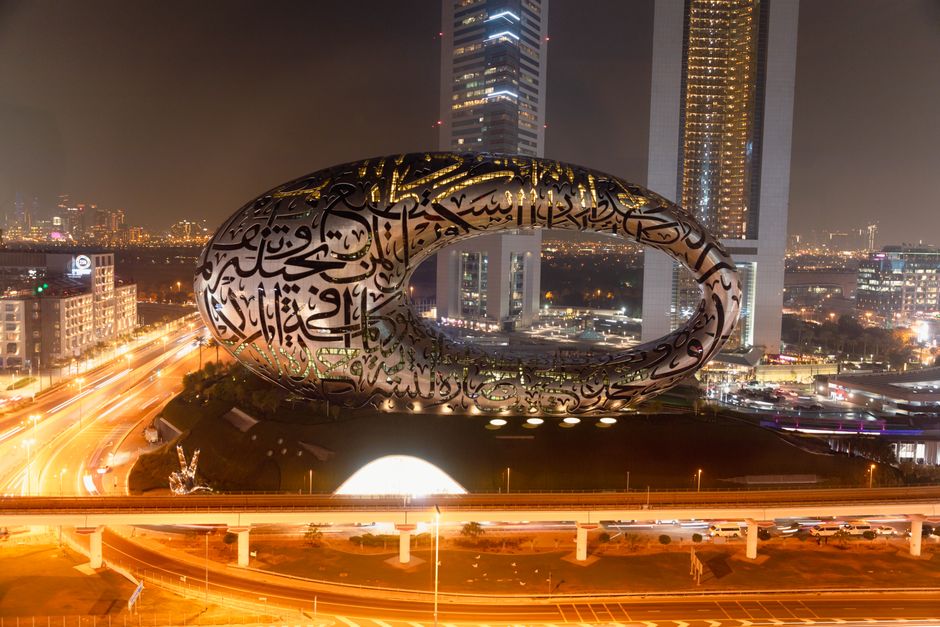
Walk through the gleaming corridors of Dubai Silicon Oasis or the newer tech hubs clustered around Jebel Ali, and you'll notice something fundamentally different from the venture-capital-drunk valleys of California: artificial intelligence here isn't primarily about disruption. It's about acceleration of existing power structures.
This distinction has quietly made Dubai one of the world's most distinctive AI ecosystems. While San Francisco obsesses over AI startups replacing industries, Dubai's 1,200-plus registered tech companies—concentrated heavily along Sheikh Zayed Road and in the Deira tech corridors—are using machine learning to deepen relationships between multinational corporations, regional governments, and logistics networks that already dominate the Middle East.
"The difference is structural," explains the landscape. Major players like the Roads and Transport Authority have integrated AI into traffic prediction systems that process data from 4,000 traffic signals. The Dubai Police General Command deployed AI-powered crime analytics years before most Western cities. These aren't startup experiments—they're mission-critical infrastructure built into a city-state with 3.6 million residents and zero tolerance for operational failure.
The financial stakes reflect this priority. Dubai's AI market reached approximately $1.2 billion in 2024, but unlike the US market fragmented across thousands of companies, much of this flows through established channels: government contracts, enterprise consulting deals, and cross-border trade technology. Companies here aren't chasing $10 million Series A rounds; they're bidding on $50 million digital transformation contracts with the UAE government, Saudi enterprises, and regional banks.
This creates a peculiar advantage. Young engineers graduating from institutions like the University of Wollongong in Dubai or working through accelerators at the Dubai Future District aren't burning capital on moonshot consumer apps. They're learning to build AI systems for ports moving 14 million containers annually, airlines coordinating regional hub operations, and wealth management firms handling petrodollar flows. The problems are complex, the budgets are substantial, and failure has visible consequences.
The regulatory environment amplifies this. The UAE's proactive stance on data governance and AI frameworks—established well before most nations—creates compliance certainty that attracts Fortune 500 R&D centres. IBM, Microsoft, and Google maintain significant operations here specifically because the regulatory sandbox is clear and the government engagement is direct.
Where Silicon Valley prizes the romantic disruption narrative, Dubai's tech ecosystem has optimized for something else entirely: becoming the most efficient AI infrastructure layer for managing hyperconnected global commerce moving through the Middle East. It's less glamorous, more profitable, and increasingly indispensable to how the world's goods—and capital—actually move.
This article was compiled by AI from the sources linked above and screened before publishing. See our editorial standards.
How does this story make you feel?
Spread the word
About this article
Published by The Daily Dubai
Daily brief
Free, in your inbox before 7am. Weekdays.
More in tech