Walk through the corridors of Dubai Silicon Oasis on any given morning, and you'll find teams of engineers and entrepreneurs fine-tuning technologies that, unbeknownst to most residents, are already embedded in the fabric of daily life across the emirate.
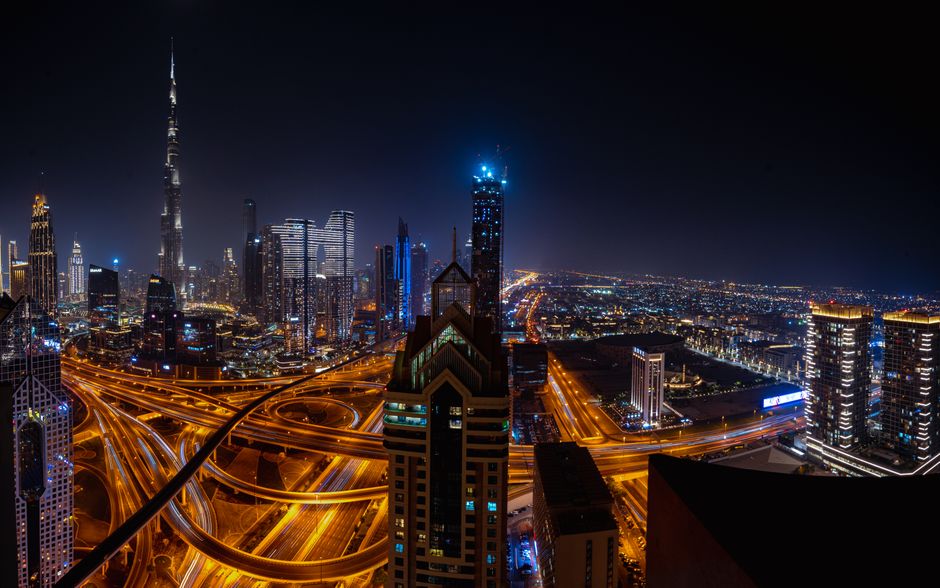
The shift became apparent this year as several locally-based tech firms accelerated deployment of AI-driven solutions addressing persistent urban friction points. Traffic management systems developed by companies operating from the Dubai Internet City complex have reduced average commute times on Sheikh Zayed Road by an estimated 12-15 minutes during peak hours, according to data shared by the Roads and Transport Authority. For the estimated 1.2 million vehicles navigating Dubai's roads daily, that compounds into substantial time savings.
Beyond mobility, smart building technology from innovation hubs across the emirate has penetrated residential towers in Downtown Dubai and Business Bay, where IoT-enabled climate control systems now adjust automatically based on occupancy patterns and time of day. Residents report lower electricity bills—averaging 18-22% reductions—while maintaining comfort levels, particularly significant given that cooling accounts for roughly 40% of household energy consumption in the region.
Healthcare delivery has also transformed. Telemedicine platforms developed by tech firms in Dubai Hills Estate are reducing wait times at primary care facilities, with virtual consultations now accounting for approximately 30% of routine doctor visits among registered users. For working professionals across JBR and Marina, this means avoiding hour-long clinic queues for non-emergency consultations.
The shift reflects a deliberate strategic pivot. Dubai's position as a crossroads between East and West—combined with regulatory flexibility and venture capital availability—has attracted talent and investment that's maturing into practical applications. The emirate's tech sector attracted $1.8 billion in venture funding in 2025, with a notable percentage flowing toward companies solving localized problems rather than chasing global trends.
What distinguishes this wave from earlier tech cycles is the focus on accessibility. Rather than experimental features marketed to early adopters, these solutions are integrating into existing services used by ordinary residents: transportation apps, utility management systems, and healthcare platforms.
Yet challenges remain. Adoption rates vary significantly across demographic groups, and digital literacy programs continue lagging demand. Nevertheless, for Dubai's diverse population—spanning expatriate professionals to multigenerational Emirati families—these incremental technological improvements are delivering measurable quality-of-life gains that validate the emirate's continued investment in its innovation ecosystem.
This article was compiled by AI from the sources linked above and screened before publishing. See our editorial standards.