Technology
Dubai's Startup Gold Rush: The Billion-Dirham Promise Masking Deeper Risks and Ethical Fault Lines
As venture capital floods the Emirates, founders and investors are grappling with questions about sustainability, accountability, and who truly benefits from the region's booming tech ecosystem.
How we reported this
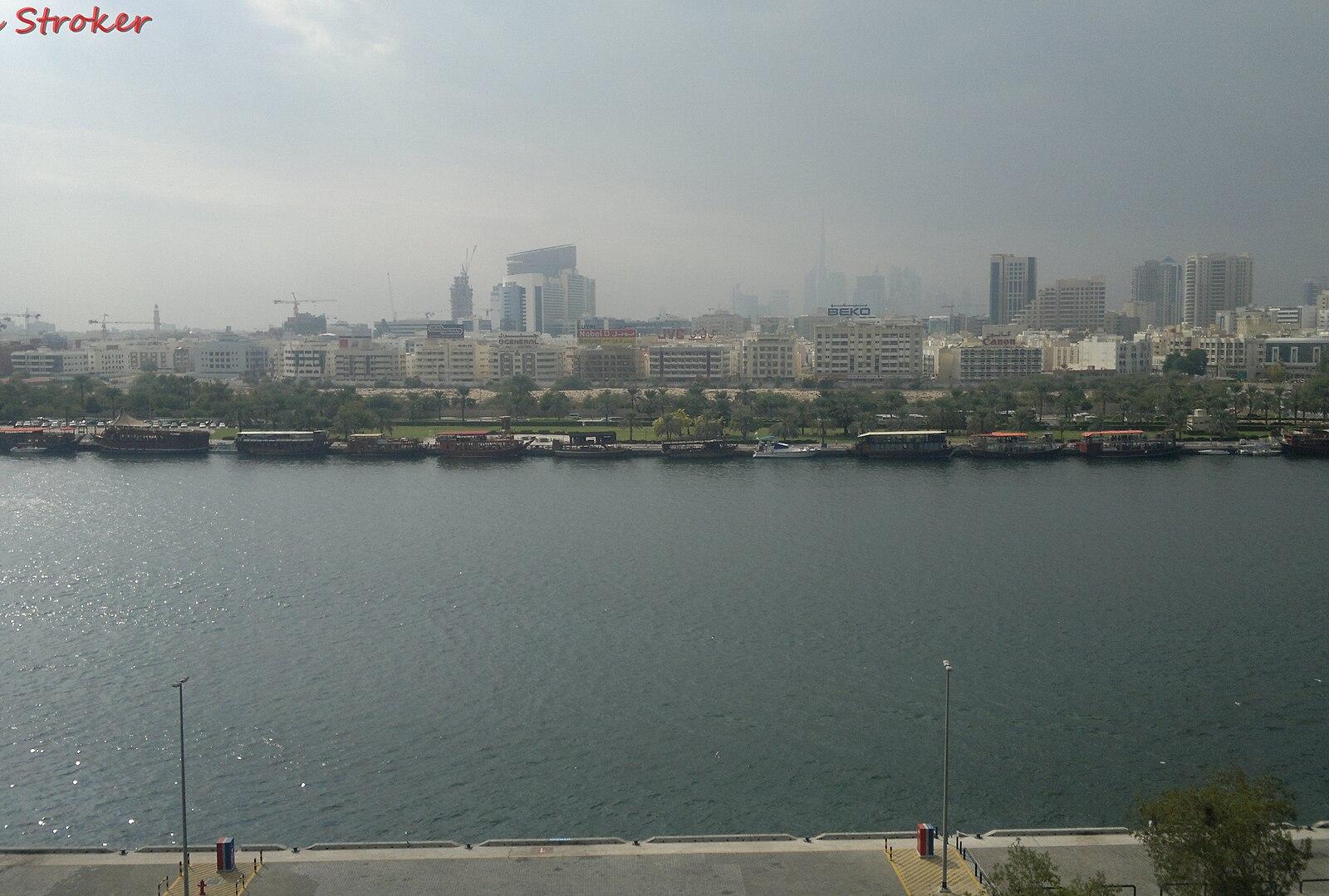
Walk into any co-working space along Business Bay's Sheikh Zayed Road, or pop into the sprawling hubs around Dubai Silicon Oasis, and you'll witness the intoxicating energy of ambition. Pitches are being rehearsed. Term sheets are being signed. The numbers are staggering: Dubai's venture capital landscape has attracted over $1.7 billion in funding across 2024-2025, according to regional investment trackers, cementing the emirate's reputation as a launchpad for Middle Eastern tech unicorns.
Yet beneath the gleaming veneer of success stories and packed demo days lies a messier reality that few in the startup community openly discuss. For every funded founder celebrating at venues like the Dubai World Trade Centre or networking at Station F Middle East, dozens of others are left questioning the sustainability of their ventures and the ethics of the ecosystem funding them.
The concentration of capital in certain sectors-fintech, proptech, and logistics-has created a winner-takes-all environment where investors chase hype cycles rather than long-term value creation. Founders report pressure to inflate metrics to secure Series A rounds, while the rush for "unicorn" status has normalized unsustainable burn rates. When funding dries up, as it inevitably does, the human cost is rarely quantified: redundancies, abandoned ideas, and broken commitments ripple through a community that prides itself on optimism.
There are deeper concerns too. Due diligence processes remain opaque in many cases, with limited public scrutiny of how venture funds operate or who their limited partners are. Questions about governance, diversity in decision-making, and the export of Western-centric business models without local contextual adaptation remain largely unexamined. A 2025 tech sector review noted that women founders in the UAE received less than 8 percent of venture capital, a disparity that mirrors but does not excuse global trends.
The regulatory environment, while supportive, has also created grey zones. Dubai's regulatory sandboxes and special economic zones offer flexibility that attracts innovation but sometimes obscure accountability. When startups operate across jurisdictions-common in this region-the question of who bears responsibility when things go wrong becomes Byzantine.
Industry leaders and policymakers aren't ignoring these issues entirely. Conversations about responsible innovation are happening in conference rooms and panel discussions. But they remain muted compared to the triumphant narratives dominating headlines.
For Dubai's startup ecosystem to mature beyond the current growth-at-all-costs mentality, the sector needs uncomfortable conversations about sustainability, ethics, and equitable access. The promise is real. So are the perils.