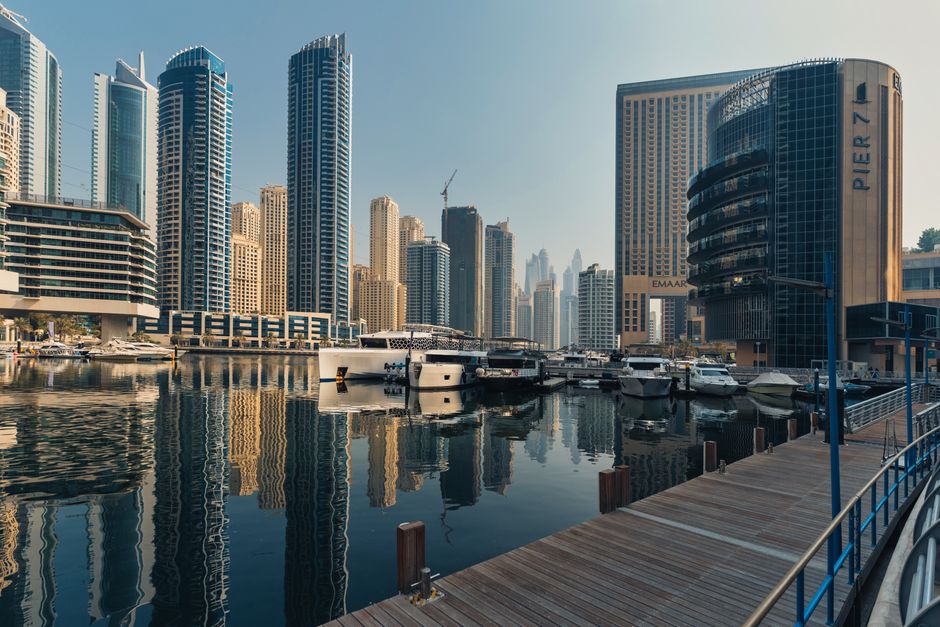
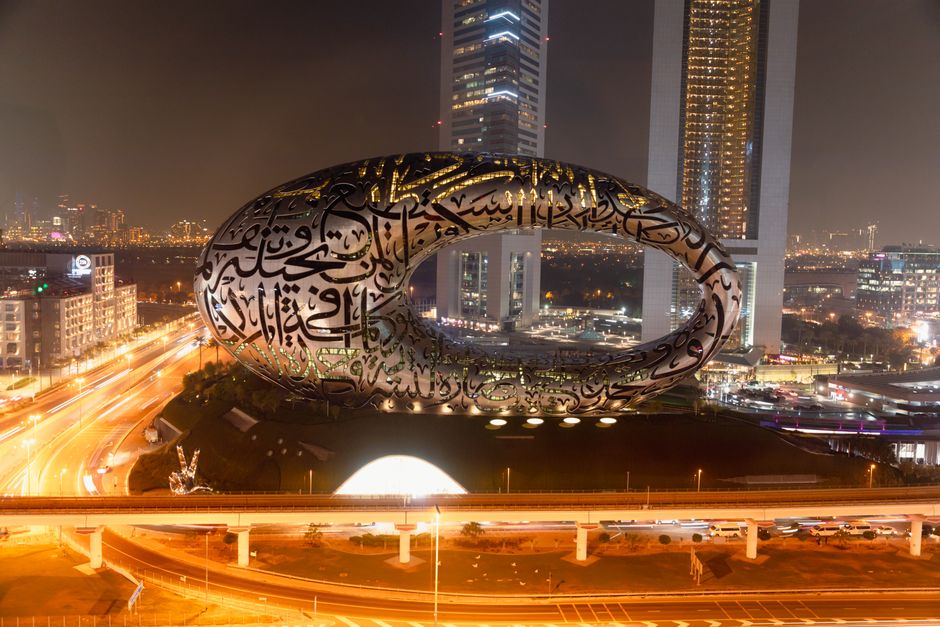
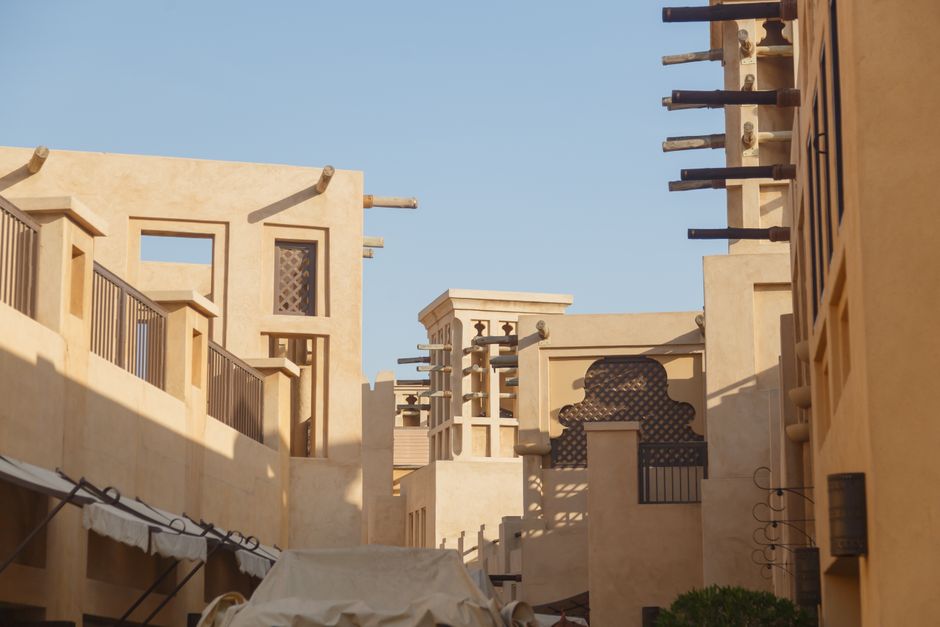
Walk through the gleaming towers of Downtown Dubai today, and you'll notice something quietly revolutionary happening in the background. Solar panels crown residential buildings in Jumeirah, while smart metres in Deira apartments help families cut electricity bills by up to 30 percent. These aren't isolated experiments—they're the visible signs of a profound shift in how residents experience daily life in the emirate.
The transformation accelerated sharply after the UAE's commitment to net-zero emissions by 2050. For ordinary Dubai residents, this hasn't meant sacrifice; it's meant practical savings. The average household in Emirates Living or Arabian Ranches now uses integrated cooling systems that learn occupancy patterns, reducing summer energy consumption during peak hours. Parents ferrying children to school in the Marina are increasingly choosing the electric Etihad Rail connections or ride-sharing services powered by renewable energy sourced from Noor Abu Dhabi—the world's largest concentrated solar power plant, which now supplies clean electricity across the emirates.
Perhaps most tangibly, water security has become personal. Residents in newer communities like Damac Hills benefit from greywater recycling systems that supply landscape irrigation, cutting freshwater consumption dramatically. Building management companies across Business Bay and JLT have installed these systems as standard, responding to both environmental imperatives and resident demands for sustainability credentials that increasingly influence property values.
The green tech transformation extends into daily convenience. Smart waste management systems in Bur Dubai and Karama use IoT sensors to optimize collection routes, reducing the carbon footprint of sanitation services. Meanwhile, shopping patterns have shifted—residents now access sustainability data on products through apps linked to major retailers, with younger demographics actively seeking items with lower embodied carbon costs.
What makes Dubai's approach distinctive isn't the technology itself—it's the integration into existing infrastructure at scale. The Roads and Transport Authority's expanded electric vehicle charging network now includes over 200 stations citywide, making EV ownership genuinely practical for commuters traveling between the emirates. Insurance premiums for electric vehicles have dropped 12-15 percent as adoption accelerates, further incentivizing the switch.
For residents who lived through Dubai's earlier decades of unfettered consumption, the shift feels substantial yet natural. Green technology here hasn't demanded lifestyle compromise; it's enhanced convenience while reducing costs. That pragmatic appeal—where sustainability and self-interest align—may be the most durable engine of change the city has found.
This article was compiled by AI from the sources linked above and screened before publishing. See our editorial standards.