Dubai's clean energy sector is experiencing unprecedented growth, and job seekers who understand the landscape stand to benefit significantly. The Emirate's commitment to renewable energy—backed by ambitious targets including the expansion of the Mohammed bin Rashid Al Maktoum Solar Park and investments in hydrogen technology—is creating thousands of new positions across engineering, software development, project management and technical trades.
The Mohammed bin Rashid Al Maktoum Solar Park, currently producing over 1,000 megawatts with plans to reach 5,000 MW by 2030, represents the tip of the iceberg. According to recent industry reports, Dubai's clean energy sector requires an estimated 15,000 new professionals over the next four years. Salaries in emerging green tech roles range from AED 4,500 monthly for entry-level technicians to AED 25,000+ for senior engineers and project leads.
What skills matter most? Professionals in solar installation, wind turbine maintenance, energy storage systems and grid modernisation are in high demand. Software engineers skilled in IoT platforms, AI-driven energy management systems and data analytics command premium packages. Many positions now require certifications such as the International Renewable Energy Agency (IRENA) credentials or equivalent. The Dubai Chamber of Commerce and Industry has partnered with local training providers to offer accredited programmes, with costs ranging from AED 3,000 to AED 15,000 depending on specialisation.
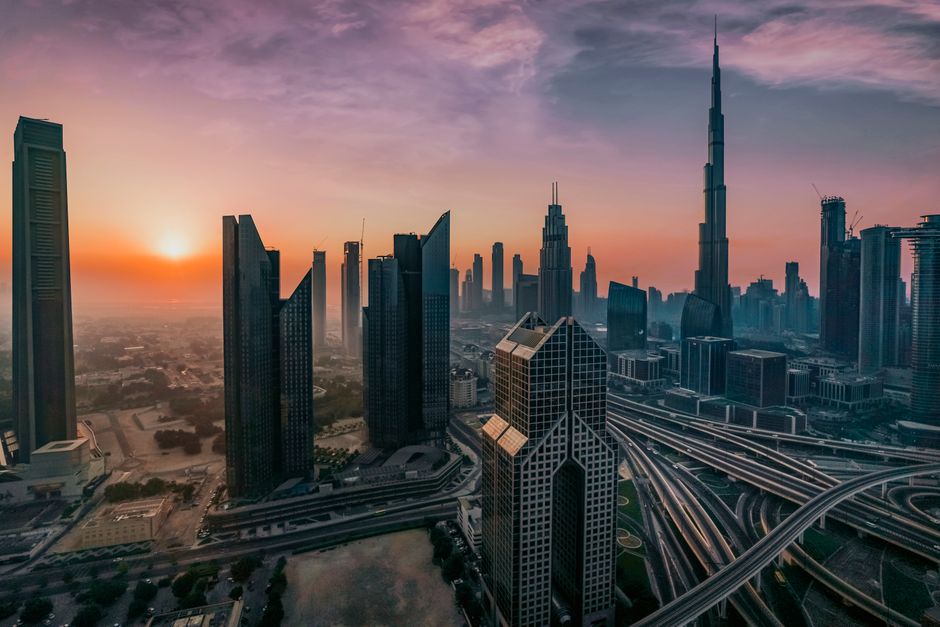
Location matters too. While project work spans across the emirate—from facilities in Jebel Ali to developments in the Dubai Silicon Oasis area—many headquarters and innovation hubs cluster around Downtown Dubai and Business Bay. The Dubai Clean Energy Strategy 2050 office, based in DIFC, often coordinates recruitment for major initiatives.
Networking is crucial. Industry events like the annual WETEX and the Dubai Solar Show attract major employers and provide direct access to hiring managers. LinkedIn engagement within Dubai's green tech community has increased 340% since 2024, reflecting genuine market momentum.
However, competition is intensifying. Experienced professionals from Europe, India and North America are relocating to Dubai for these roles, raising the bar for qualifications and English language proficiency. Emiratisation initiatives do favour UAE nationals in certain positions, particularly within government-linked organisations.
The window of opportunity is real but narrowing. Professionals should prioritise relevant certifications now, build portfolios demonstrating clean energy knowledge, and engage actively with industry communities. The green energy transition isn't coming to Dubai—it's already here, reshaping careers and creating genuine pathways for those prepared to adapt.
This article was compiled by AI from the sources linked above and screened before publishing. See our editorial standards.