Dubai's Smart City Pipeline: What Digital Innovations Are Coming Next
From AI-powered traffic management to blockchain land registries, the emirate's government tech roadmap reveals ambitious projects set to reshape urban life by 2028.
From AI-powered traffic management to blockchain land registries, the emirate's government tech roadmap reveals ambitious projects set to reshape urban life by 2028.
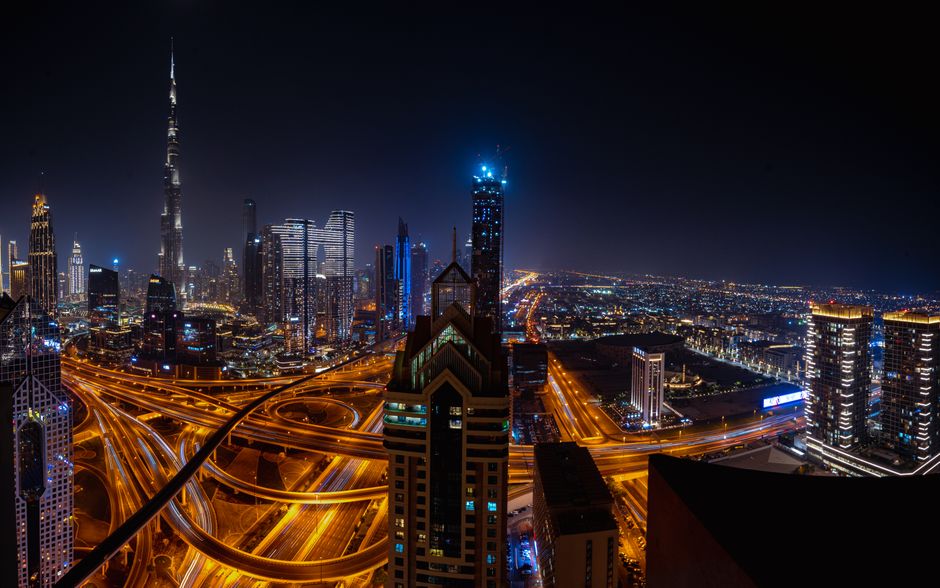
Dubai's digital transformation agenda is accelerating, with government technology officials revealing a slate of innovations designed to cement the emirate's position as a global smart city leader. The next phase of development, spanning 2026 to 2028, signals a shift toward hyper-personalized citizen services and autonomous infrastructure management across sprawling zones from Downtown Dubai to the emerging Al Maktoum International Airport district.
The Dubai Smart City initiative, overseen by the Smart Dubai Office, is prioritizing three core pillars: autonomous mobility systems, predictive urban analytics, and decentralized digital governance. Among the flagship projects in development is an expanded autonomous vehicle network that will extend beyond current pilots on Sheikh Zayed Road into residential neighborhoods, including Arabian Ranches and Jumeirah. Officials estimate the rollout could reduce traffic congestion by 23 percent once fully operational, addressing a chronic challenge in an emirate where rush-hour delays cost businesses approximately AED 4.2 billion annually.
Equally ambitious is Dubai's planned blockchain-based property registry system, expected to launch in phases starting early 2027. The Dubai Land Department is engineering a distributed ledger platform to streamline real estate transactions—currently processed across multiple touchpoints in the Dubai World Trade Centre precinct—into a single immutable digital record. Early adopters in the Downtown Dubai and Business Bay corridors will gain near-instantaneous title transfers, potentially slashing processing times from days to hours.
Water and energy optimization represents another frontier. The municipality is deploying AI-driven sensor networks across the Al Quoz industrial district and Marina neighborhoods to predict infrastructure failures before they occur, complementing Dubai's broader sustainability goals outlined in the Clean Energy Strategy 2050.
Perhaps most intriguingly, government officials are developing a centralized citizen feedback platform powered by natural language processing, designed to synthesize public sentiment from multiple channels—social media, municipal apps, service centers—into actionable policy recommendations. This system, currently in beta testing with select communities in Al Baraha and Deira, could fundamentally reshape how Dubai's administration responds to resident concerns.
The financial commitment underscores seriousness. Dubai's 2026-2027 budget allocates AED 2.8 billion toward smart infrastructure upgrades, a 31 percent increase from the previous fiscal year. Tech entrepreneurs and established firms are already positioning themselves, with companies across the Dubai Silicon Oasis innovation hub racing to win government contracts in emerging domains like quantum-safe cybersecurity and edge computing for autonomous systems.
As these projects move from whiteboard to deployment, Dubai is signaling that smart city evolution is not a destination—it's an iterative journey requiring continuous technological reinvention.
This article was compiled by AI from the sources linked above and screened before publishing. See our editorial standards.
How does this story make you feel?
Spread the word
About this article
Published by The Daily Dubai
Daily brief
Free, in your inbox before 7am. Weekdays.
More in tech