From Traffic Jams to Smart Homes: How Dubai's Digital Revolution is Reshaping Daily Life
Smart city infrastructure is quietly transforming how residents commute, work, and live across the emirate—and the changes are becoming impossible to ignore.
Smart city infrastructure is quietly transforming how residents commute, work, and live across the emirate—and the changes are becoming impossible to ignore.
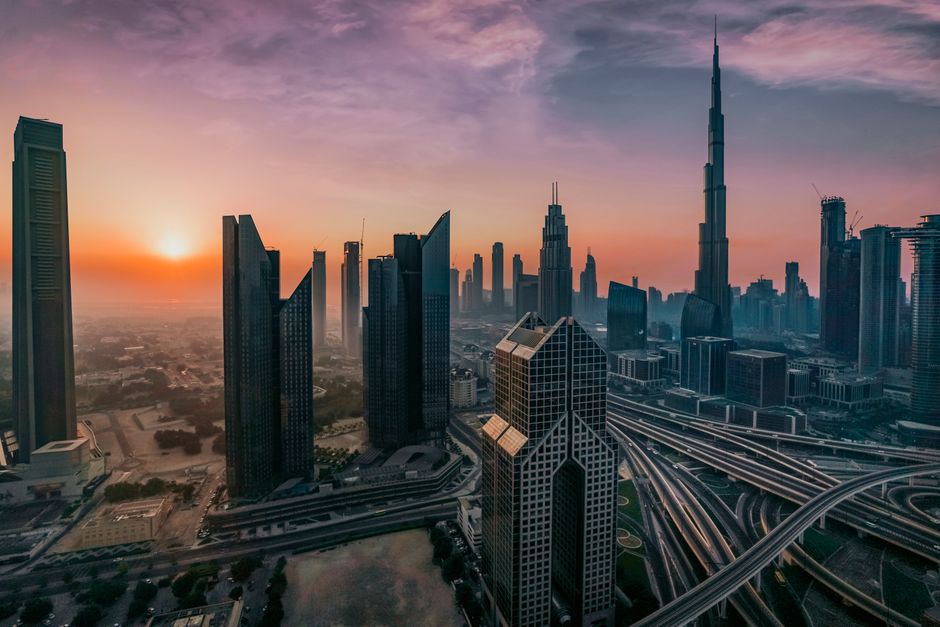
Walk through Business Bay on any weekday morning, and you'll notice something that would have seemed like science fiction a decade ago: traffic flows with almost mathematical precision. The shift isn't accidental. Dubai's integrated smart traffic system, which now covers over 400 intersections across the emirate, uses AI-powered algorithms to adjust signal timing in real-time, reducing average commute times by up to 20 percent. For residents tackling the Sheikh Zayed Road daily, that translates to reclaiming roughly 45 minutes a week—time that might otherwise be spent idling at red lights.
The transformation extends far beyond congestion. The Roads and Transport Authority's Salik system has evolved into a contactless payment network that now processes over 2.8 million transactions daily, eliminating the need for physical toll booths entirely. Combined with real-time journey planning apps integrated into the RTA's infrastructure, commuters can make data-driven decisions about when and where to travel.
In residential areas like Downtown Dubai and Jumeirah, smart home adoption is accelerating. Water consumption tracking systems—critical in a region where desalination costs spike during summer—now allow residents to monitor usage via mobile apps and receive alerts for anomalies. Average household water savings have reached 15 percent among early adopters. Similar efficiency gains are materializing in energy management, with smart meter rollouts across Dubai's main residential clusters cutting peak-hour electricity demand by an estimated 12 percent.
Healthcare delivery has been revolutionized through the Dubai Health Authority's digital patient records system. Residents can now access medical histories across all public and participating private facilities without carrying physical documentation—a game-changer in a city where expat residents frequently switch clinics. Virtual consultations, accelerated during the pandemic, now account for 18 percent of outpatient appointments at major facilities.
Government services have undergone perhaps the most visible overhaul. The Smart Dubai initiative has digitized over 1,400 government services, reducing average processing times from days to minutes. Renewal of driving licenses, visa applications, and business registrations that once required visits to multiple branches can now be completed from home—a shift that has proven especially valuable during extreme heat periods when outdoor foot traffic plummets.
Yet challenges remain. Digital literacy gaps persist among older residents and lower-income communities, risking a two-tiered system where benefits accrue unevenly. Privacy concerns around data collection continue to surface as surveillance infrastructure expands.
Still, for most residents navigating Dubai's infrastructure today, the smart city isn't a futuristic concept—it's simply how things work now.
This article was compiled by AI from the sources linked above and screened before publishing. See our editorial standards.
How does this story make you feel?
Spread the word
About this article
Published by The Daily Dubai
Daily brief
Free, in your inbox before 7am. Weekdays.
More in tech