Dubai's startup funding engine hits a turning point as VCs reset expectations for 2026
After a period of consolidation, the emirate's venture capital ecosystem is recalibrating around profitability and regional expansion rather than hypergrowth.
After a period of consolidation, the emirate's venture capital ecosystem is recalibrating around profitability and regional expansion rather than hypergrowth.
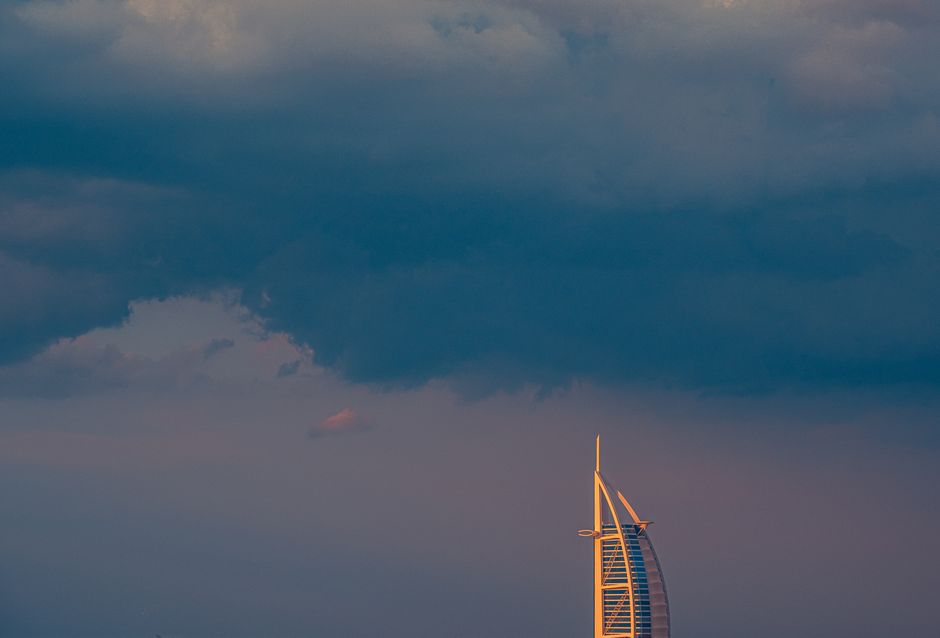
The energy in Dubai's tech corridors has shifted noticeably in the opening months of 2026. While the city's startup ecosystem remains robust—particularly around hubs like the Dubai Silicon Oasis and the innovation zones clustered along Sheikh Zayed Road—venture capital firms operating in the emirate are increasingly focused on disciplined deployment rather than the breakneck pace of recent years.
Several mid-sized VCs with offices in DIFC (Dubai International Financial Centre) have quietly restructured their investment committees, raising smaller, more focused funds rather than chasing the mega-rounds that characterised 2024 and early 2025. Industry observers say this reflects a broader maturation: founders are now expected to demonstrate unit economics and clear paths to profitability before securing Series B commitments, a stark contrast to the growth-at-all-costs mentality that once dominated conversations in Jumeirah's coffee shop meeting circuits.
The numbers tell part of the story. Deal flow across the GCC remains healthy, but average cheque sizes have compressed. Early-stage funding—seed through Series A—continues to attract capital, particularly for B2B software solutions targeting the region's logistics, fintech, and retail sectors. However, later-stage rounds are becoming increasingly selective, with institutional LPs from Europe and Asia demanding clearer evidence of regional market traction before committing larger sums.
What's particularly notable is the geographic shift within the ecosystem. While Dubai remains the operational hub, several founders are deliberately incorporating subsidiaries in Abu Dhabi and establishing secondary presences in Riyadh and Doha. This multi-emirate strategy allows startups to tap into different regulatory sandboxes and access capital from regional sovereign wealth funds that have become more active LPs in the past eighteen months.
The talent landscape has also recalibrated. Engineering salaries in Dubai's tech sector have plateaued after years of rapid increases, though they remain competitive with Singapore and London. Simultaneously, there's growing appetite among VCs for founding teams with genuine regional expertise—particularly those with deep operational knowledge of Saudi Arabia or the Levant markets.
Industry events still pack venues like the Arabian Travel Market halls and DTEC conference spaces, but the conversation has matured considerably. Rather than debating valuations and growth multiples, founders and investors are increasingly focused on sustainable business models, regulatory compliance across multiple jurisdictions, and how to navigate the complex cross-border dynamics of operating across the Gulf.
For Dubai's startup ecosystem, this recalibration doesn't signal decline—rather, it suggests the city is settling into its role as the region's mature venture capital hub, one built on fundamentals rather than euphoria.
This article was compiled by AI and screened before publishing. See our editorial standards.
How does this story make you feel?
Spread the word
About this article
Published by The Daily Dubai
Daily brief
Free, in your inbox before 7am. Weekdays.
More in tech


