Dubai Tech Companies Face Data Privacy Challenges
Dubai's USD 2.3B venture capital surge attracts scrutiny. Learn how Silicon Oasis startups navigate data privacy, labour compliance, and regulatory hurdles.
Dubai's USD 2.3B venture capital surge attracts scrutiny. Learn how Silicon Oasis startups navigate data privacy, labour compliance, and regulatory hurdles.
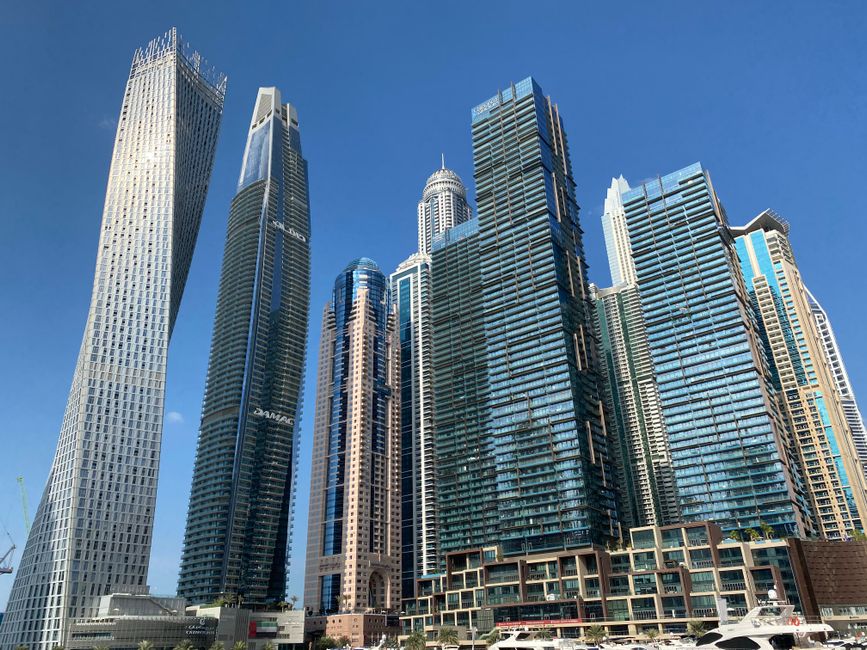
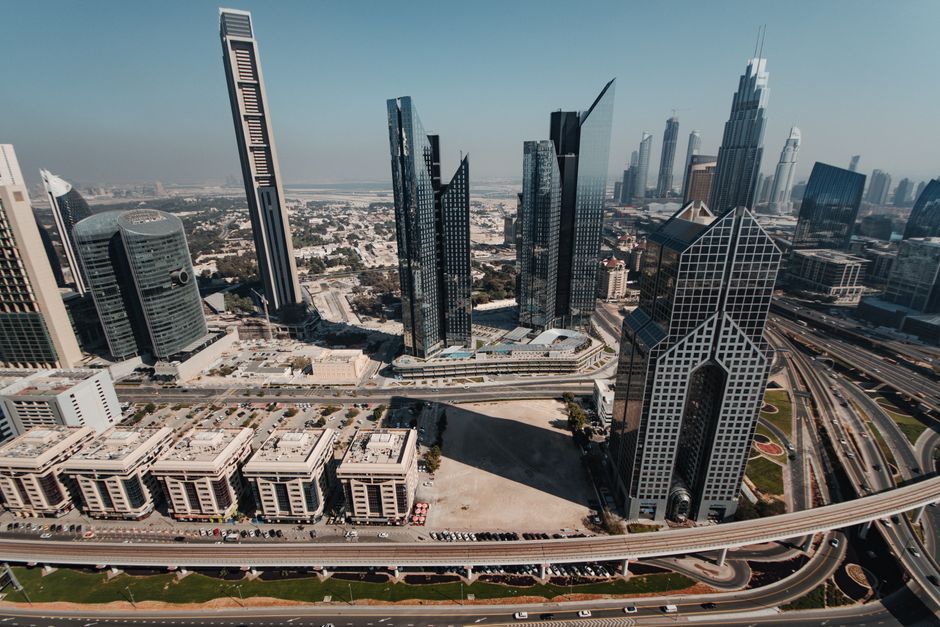
Dubai's transformation into a global innovation hub over the past five years has been remarkable. The Dubai Silicon Oasis now hosts over 1,500 tech companies, while Downtown Dubai's co-working spaces command premium rents—some exceeding AED 300 per square metre monthly. Last year alone, the emirate attracted USD 2.3 billion in venture capital, positioning it as the region's undisputed tech capital. Yet beneath the gleaming glass facades and success stories lies a more complicated reality that entrepreneurs, policymakers, and investors are increasingly forced to confront.
The most pressing challenge concerns data security and privacy. Several homegrown fintech startups operating from business districts like Jumeirah Lake Towers have faced scrutiny over how they handle customer information, particularly as regulatory frameworks struggle to keep pace with innovation velocity. The UAE's recent data protection law represents progress, but enforcement remains inconsistent across jurisdictions. Companies racing to scale often treat compliance as an afterthought—a costly mistake when consumer trust is paramount.
Labour practices present another uncomfortable question. While Dubai's tech sector has created thousands of jobs, wage discrepancies between expatriate professionals and support staff, combined with visa sponsorship dependencies, echo broader regional concerns. Some rapidly expanding companies in the Internet City have faced complaints about working conditions and contract terms that disadvantage lower-paid workers. The narrative of meritocratic opportunity rings hollow when examined through this lens.
Environmental impact warrants equal attention. The energy consumption of data centres powering UAE-based tech services—from crypto operations to AI training facilities—contradicts Dubai's renewable energy ambitions. The Masdar Institute partnership and Mohammed Bin Rashid Al Maktoum Solar Park investments signal intent, yet the sector's carbon footprint continues rising faster than mitigation efforts.
Then there's the concentration risk. When venture capital flows disproportionately toward e-commerce, fintech, and logistics platforms—sectors already dominated by well-connected founders—innovation becomes less distributed and more dependent on insider networks. Promising entrepreneurs from outside traditional circles struggle for visibility and funding despite superior ideas.
None of this diminishes Dubai's genuine achievements in establishing infrastructure, talent pipelines, and regulatory frameworks that facilitate tech entrepreneurship. The question isn't whether the emirate should continue pursuing innovation—it clearly should. Rather, the question is whether growth can remain sustainable while simultaneously addressing the ethical, environmental, and social dimensions that tend to get sacrificed when speed is prioritised above all else. Success, ultimately, will be measured not just by unicorn valuations but by whether this boom genuinely benefits Dubai's diverse population.
This article was compiled by AI and screened before publishing. See our editorial standards.
How does this story make you feel?
Spread the word
About this article
Published by The Daily Dubai
Daily brief
Free, in your inbox before 7am. Weekdays.
More in tech