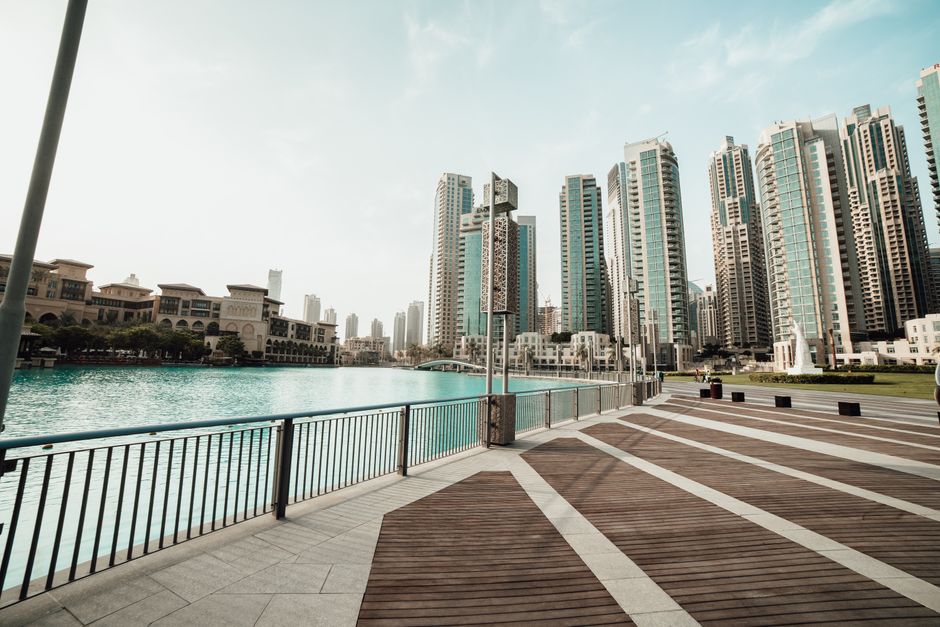
Walk along Marina Walk on any morning and you'll see Dubai's wellness commitment in action: joggers, cyclists, and fitness enthusiasts dominating the waterfront. Yet behind this visible fitness culture lies a quieter health narrative. While the emirate excels in reactive healthcare and cutting-edge treatments, preventive medical screenings—the backbone of wellness in Canada, Germany, and Scandinavia—remain significantly underutilised by Dubai residents.
Global data reveals the disparity. Countries like Denmark and Australia screen 60–70% of eligible populations for colorectal cancer annually. In the UAE, uptake hovers around 25%, according to regional health reports. Breast cancer screening, cardiovascular risk assessments, and metabolic panels show similar gaps. Yet Dubai's healthcare infrastructure—with world-class facilities across Downtown, Al Baraha, and Emirates Hills—rivals any global hub. The disconnect isn't access; it's awareness and culture.
The trend is shifting, however. The UAE government launched the National Cancer Registry in 2019, signalling institutional commitment to early detection. Private healthcare providers, including NMC Health clinics scattered across Dubai, now offer comprehensive wellness packages targeting expat populations who arrive with established screening habits. Annual health checkups, once considered optional luxuries, increasingly appear in employer benefits across Business Bay and DIFC.
Price remains a barrier. A full preventive screening panel in Dubai ranges from AED 1,500 to AED 3,500 ($400–$950 USD), significantly higher than subsidised screenings in Europe or Australia. For uninsured residents, this represents genuine cost friction, despite Dubai's relative affluence.
Cultural factors also play a role. Many long-term residents follow the fitness-first model—investing heavily in gym memberships at Equinox or Les Mills facilities in JBR—while delaying clinical screenings. This mirrors broader Middle Eastern wellness trends, where visible fitness outpaces preventive medicine in personal priority.
Momentum is building. The annual Dubai Fitness Challenge 30x30 now incorporates health screening components. Occupational health providers increasingly mandate baseline assessments for corporate clients. Digital health platforms are making screening more accessible, with mobile units visiting corporate headquarters across Sheikh Zayed Road.
The takeaway: Dubai residents enjoy premium healthcare access but lag in preventive uptake. Globally, the lesson is clear—fitness and screening are complementary, not competitive. As Dubai's wellness ecosystem matures, expect preventive screening to move from peripheral interest to mainstream practice, narrowing the gap with global leaders.
This article was compiled by AI from the sources linked above and screened before publishing. See our editorial standards.