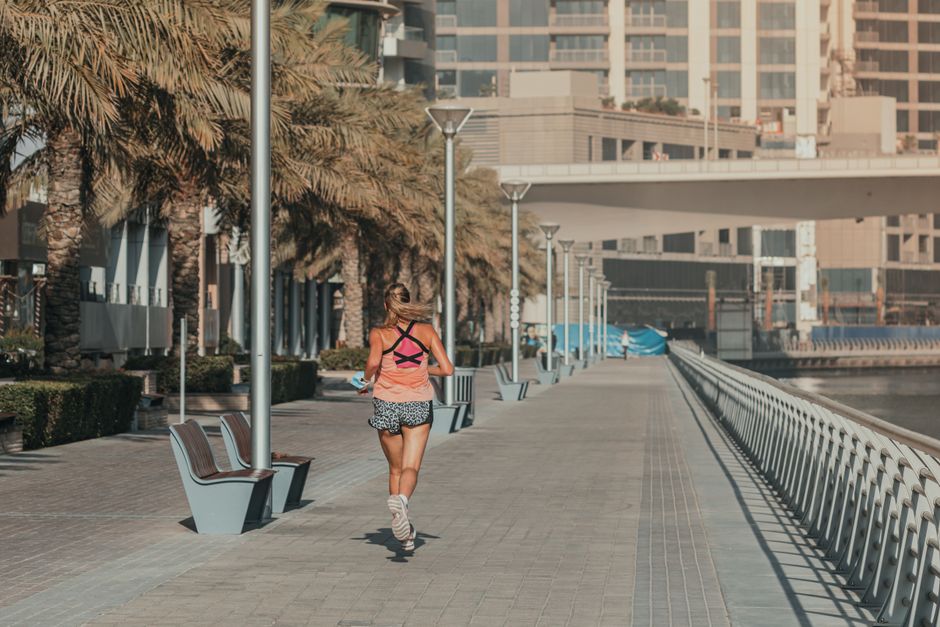
Swimming has quietly become Dubai's most democratising fitness activity. While the city's gleaming gym chains attract devoted weightlifters and the Dubai Fitness Challenge 30x30 initiative continues to inspire runners along Marina Walk and JBR's beachfront, aquatic centres across the emirates are drawing families, seniors, rehabilitation patients, and competitive athletes under one roof—a rare convergence in the fitness landscape.
The appeal is practical. Aquatic facilities eliminate age barriers that traditional gyms erect. A five-year-old learning water confidence shares pool space with a 65-year-old recovering from joint surgery, their cardiovascular systems equally engaged despite vastly different intensities. Dubai's major aquatic hubs—including those at Jumeirah and New Dubai—now run structured swim programs tailored to ability levels, from parent-and-baby sessions to adult competitive training. Registration fees typically range from AED 150–400 per month, making organised swimming more accessible than many speciality fitness classes.
Local health professionals have noticed the uptick. Swimming's low-impact nature suits Dubai's diverse population, particularly valuable for residents managing arthritis, post-injury rehabilitation, or simply seeking alternatives to high-impact running on heated pavements. The aquatic environment also addresses a silent challenge: heat management. During summer months when outdoor exercise on Sheikh Zayed Road or at Marina Walk becomes genuinely dangerous, climate-controlled pools become essential community fitness infrastructure.
Beyond individual health, swimming programs are strengthening social cohesion. Group swim sessions—whether aqua aerobics classes, masters' training groups, or family swim nights—create accountability structures that pure solo fitness rarely achieves. This aligns with broader wellness trends emphasizing community over isolation; research consistently shows group exercisers maintain habits longer than those training alone.
The competitive angle matters too. Dubai hosts regional and national swimming championships annually, and grassroots programs now feed talent pipelines that previously existed only informally. Junior swim clubs operating from central facilities have grown participation by an estimated 20–30 percent over three years, according to local aquatic sport administrators.
For residents juggling multiple wellness priorities—cardiovascular health, joint preservation, mental clarity, social connection—aquatic centres offer rare efficiency. A single 45-minute swim session delivers aerobic conditioning, resistance training, flexibility work, and social engagement simultaneously.
If you're exploring fitness options in Dubai, your neighbourhood aquatic centre deserves serious consideration. The water doesn't discriminate by age or ability, making it one of the few truly universal fitness spaces the city offers. Consult your local healthcare provider before starting any new exercise program, particularly if managing existing health conditions.
This article was compiled by AI from the sources linked above and screened before publishing. See our editorial standards.