Desert to Waterfront: How Outdoor Running is Reshaping ...
From beachfront circuits to shaded creek paths, runners across the emirate are ditching air-conditioned gyms for purpose-built trails—and the city is responding with infrastructure.
From beachfront circuits to shaded creek paths, runners across the emirate are ditching air-conditioned gyms for purpose-built trails—and the city is responding with infrastructure.
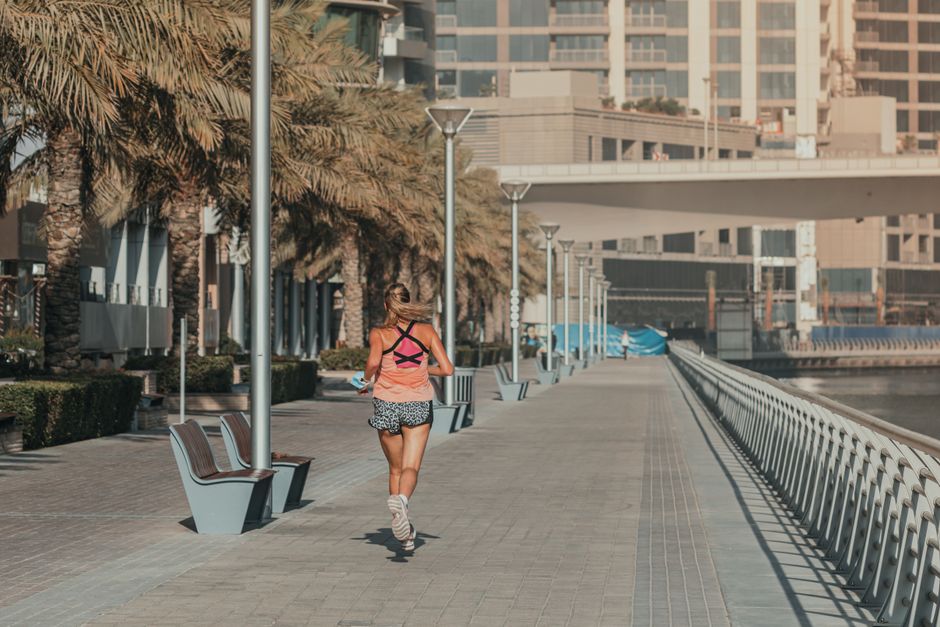
Five years ago, outdoor running in Dubai during summer felt like a fringe pursuit reserved for the dedicated few. Today, it's become a cornerstone of the emirate's wellness identity, with local fitness communities swelling, trail networks expanding, and even municipal planning adapting to meet demand.
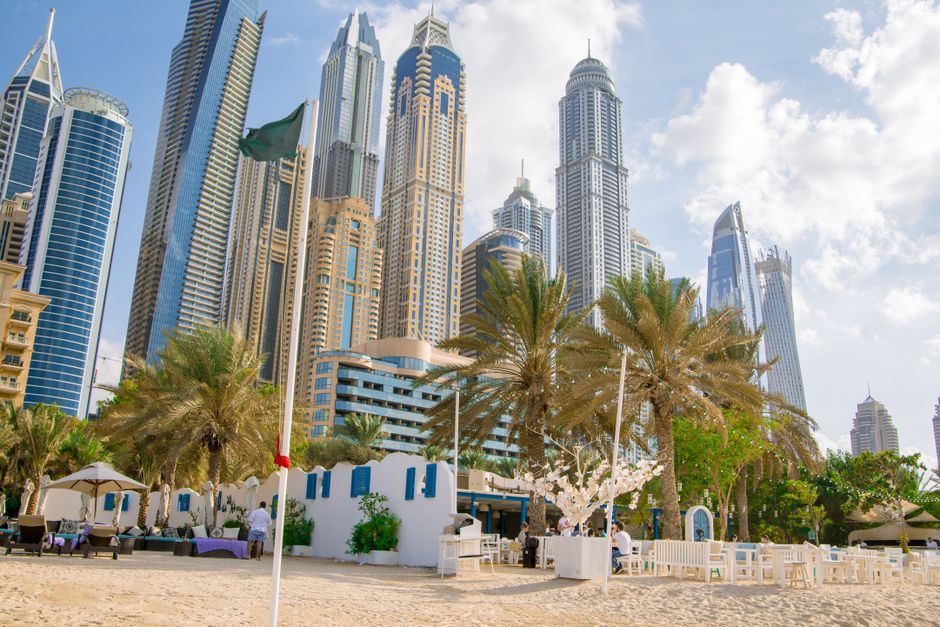
The shift is visible everywhere. Marina Walk's 1.7-kilometre waterfront running track now sees crowds at dawn and dusk that rival many commercial gyms. JBR Beach's promenade has transformed into an unofficial marathon training ground, while the newer Dubai Creek Harbour trail system—launched in phases over the past two years—has attracted runners seeking cooler, shaded alternatives during shoulder seasons. Local running clubs report membership increases of 30 to 40 per cent annually, particularly among residents aged 25 to 45.
The Dubai Fitness Challenge's annual 30x30 campaign has amplified this trend significantly. What began as a city-wide push to encourage 30 minutes of daily activity has evolved into a cultural moment, with outdoor running becoming a visible marker of participation. Community-led initiatives like parkrun UAE, which hosts free weekly 5-kilometre timed runs, have opened the activity to demographics historically underrepresented in running circles.
Local gym operators acknowledge the competition. Premium facilities across Downtown Dubai and Emirates Hills now market hybrid memberships combining studio classes with digital trail-mapping tools and outdoor coaching sessions. Prices typically range from AED 200 to 500 monthly, reflecting the added value of expert guidance on heat acclimatisation and injury prevention—critical considerations in this climate.
Municipalities have responded pragmatically. The Roads and Transport Authority expanded shade structures along key routes in Al Wasl, Jumeirah, and Arabian Ranches. Water-station installations have become routine in new developments, while lighting improvements on tracks like those near Safa Park have extended safe running windows well into evening hours.
What explains this shift? Partly, it's practical: outdoor running is free and accessible, no membership required. But wellness trends suggest deeper drivers—a growing preference for community-based activity, environmental consciousness, and the realisation that year-round training in this city simply demands adaptation rather than avoidance.
As Dubai's fitness culture evolves, outdoor running has moved from niche hobby to mainstream marker of active living. The trails are there. The community is growing. And the city is building to match demand.
This article was compiled by AI and screened before publishing. See our editorial standards.
How does this story make you feel?
Spread the word
About this article
Published by The Daily Dubai
Daily brief
Free, in your inbox before 7am. Weekdays.
More in Wellness