Senior Mobility in the Heat: Evidence-Based Tips That Actually Work for Dubai's Climate
Forget generic fitness advice—here's what the science says about staying active and injury-free as you age in the Emirates.
Forget generic fitness advice—here's what the science says about staying active and injury-free as you age in the Emirates.
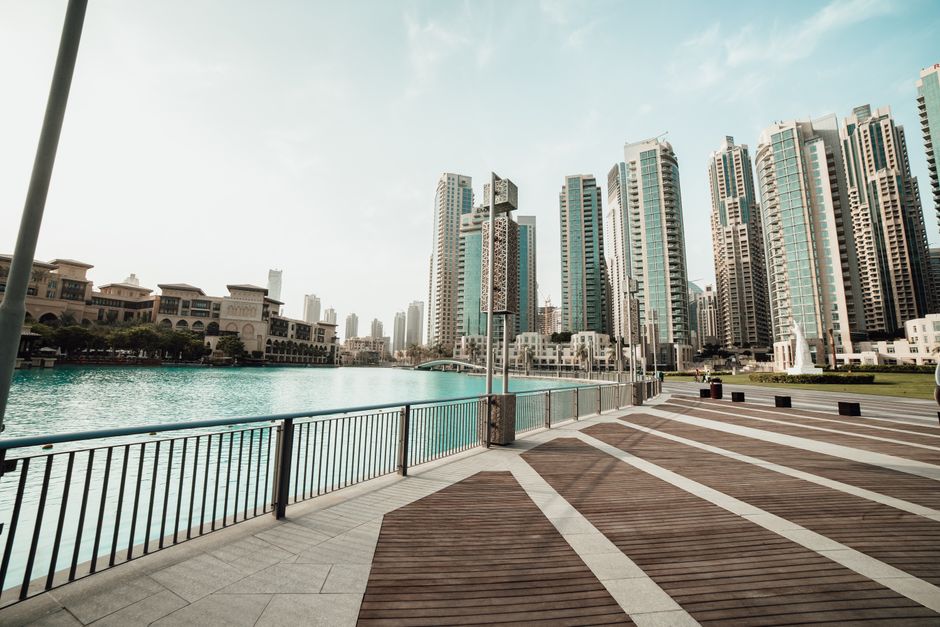
Dubai's seniors face a unique wellness challenge: maintaining mobility and strength in one of the world's hottest climates. The annual Dubai Fitness Challenge 30x30 has reignited conversations about active ageing, but older residents need strategies tailored to local conditions, not borrowed from temperate-climate studies.
Research consistently shows that consistent, low-impact movement is the foundation of healthy ageing. For Dubai residents, this means timing matters enormously. Marina Walk's scenic 1.6-kilometre running track and JBR's beach promenade are excellent venues—but early morning (5–7 a.m.) or evening sessions (after 6 p.m.) are non-negotiable during summer months. Studies on heat stress in older adults show that exercising in temperatures above 32°C significantly increases dehydration risk and cardiovascular strain. Morning workouts at these locations, when temperatures hover around 28–30°C, yield better adherence and safer outcomes.
Water intake deserves scientific attention too. The American College of Sports Medicine recommends seniors drink 200ml of fluid every 15–20 minutes during outdoor activity in hot climates. That's roughly one small water bottle per session along Marina Walk. Many local gyms—including those in Business Bay and Downtown Dubai—now offer climate-controlled strength training, which research shows is equally effective for bone density and muscle preservation as outdoor activity, without the heat risk.
Strength training twice weekly emerges as the single most evidence-backed intervention for fall prevention and mobility maintenance in people over 60. Dubai's premium facilities at locations like Emirates Hills and The Greens offer personalised programmes, though more affordable community options through Dubai Municipality's parks and recreation centres provide equivalent benefits at a fraction of the cost.
Joint-friendly movement patterns matter in Dubai's sandy beach environment. Walking on soft sand requires 1.6 times more energy than asphalt, according to biomechanics research, making it excellent for fitness but risky for those with pre-existing joint issues. Paved promenades at JBR and Jumeirah Beach Park offer safer alternatives, with the added benefit of consistent footing.
The evidence is clear: senior wellness in Dubai succeeds through climate-smart scheduling, consistent hydration, strength maintenance, and choosing appropriate surfaces. The city's world-class infrastructure—from air-conditioned gyms to dedicated walking tracks—puts evidence-based active ageing within reach. The key is personalising these tools to local conditions rather than following generic advice.
Consult a local healthcare provider before starting any new fitness programme, especially if you have existing health conditions.
This article was compiled by AI from the sources linked above and screened before publishing. See our editorial standards.
How does this story make you feel?
Spread the word
About this article
Published by The Daily Dubai
Daily brief
Free, in your inbox before 7am. Weekdays.
More in Wellness