Walk through the organic aisles at Spinneys on Sheikh Zayed Road or browse the farm-to-table menus at Al Wasl neighbourhood cafés, and you'll spot the collision between global wellness trends and Dubai's unique food ecosystem. The emirate's relationship with nutrition—shaped by its multicultural demographics, year-round heat, and access to premium ingredients—tells a story quite different from Silicon Valley's kale obsession or London's sourdough revival.
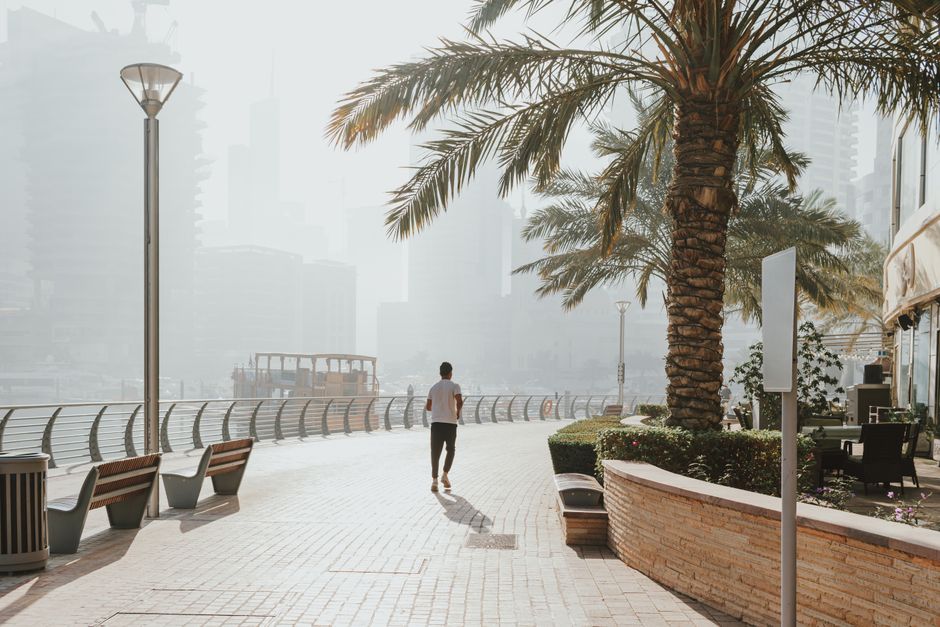
International wellness platforms champion intermittent fasting, ketogenic diets, and zero-waste eating. Yet in Dubai, nutritional priorities reflect local reality. High temperatures and outdoor fitness culture—think Marina Walk's dawn runners or the JBR beach's year-round swimmers—demand hydration-focused nutrition rather than restrictive calorie counting. Sports nutritionists across Dubai increasingly emphasise electrolyte balance and nutrient timing around training sessions, a pragmatic pivot from trendy but impractical global fads.
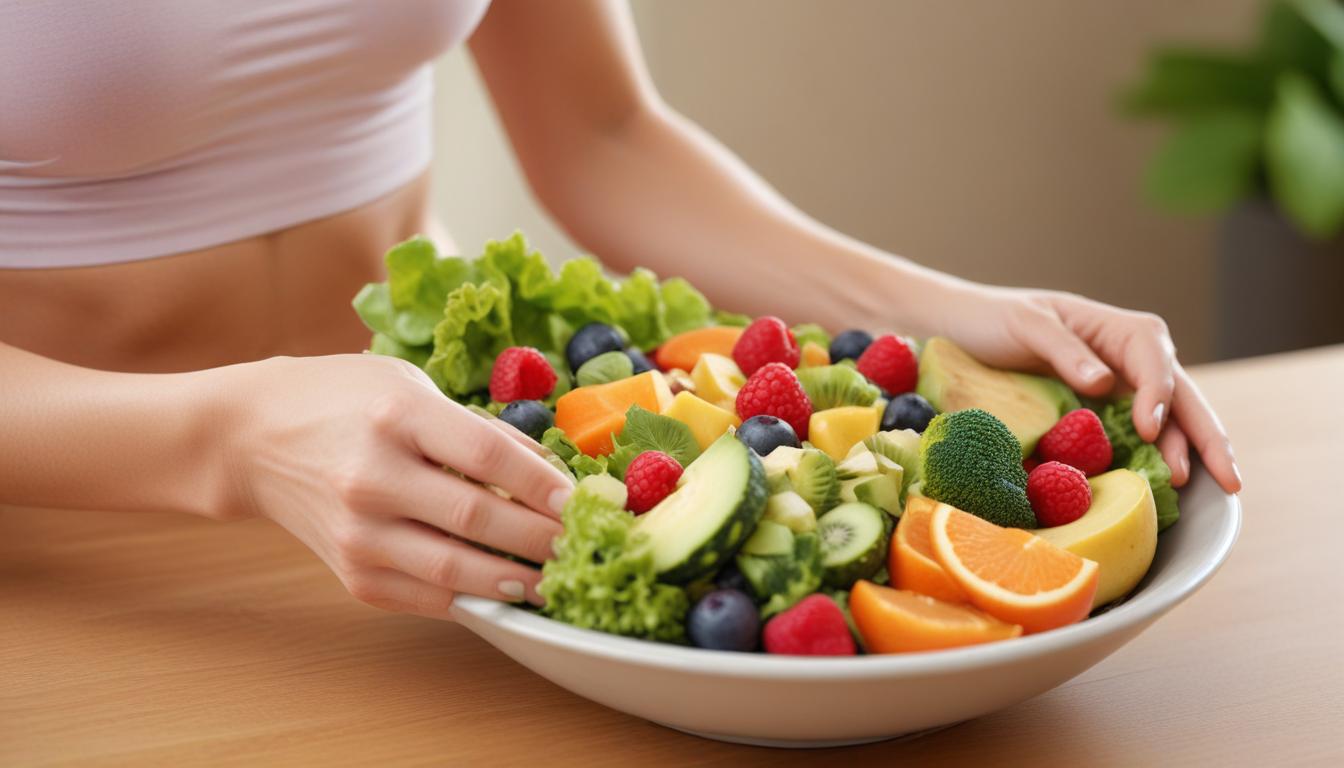
The uptake of plant-based eating globally has soared, yet Dubai's adoption tells a more nuanced story. While vegan restaurants have multiplied in Business Bay and Downtown, they serve a niche market. Research from the Gulf Cooperation Council suggests plant-based dietary adoption in the UAE remains around 7–9 per cent, significantly lower than North American and European figures hovering near 12–15 per cent. Instead, Dubai's wellness community gravitates toward Mediterranean and Middle Eastern dietary principles—olive oil, legumes, lean proteins—which align both with global evidence-based nutrition and local culinary heritage.
Price points reveal another divergence. Premium supermarket chains throughout Dubai stock imported organic products at 40–60 per cent premiums over standard options. Simultaneously, local initiatives like the Dubai Municipality's promotion of Emirati heritage foods—dates, whole grains, and locally sourced vegetables from farms in Liwa—have gained traction among health-conscious residents seeking authentic, affordable nutrition without the markup of imported wellness brands.
The Dubai Fitness Challenge's annual 30x30 movement has catalysed broader conversation around nutrition as performance fuel rather than aesthetic tool—a distinctly Dubai-centric reframing. Fitness facilities across JBR and Jumeirah now employ registered dietitians who design meal plans accounting for the emirate's climate, training intensity, and cultural food preferences.
As global wellness trends filter through social media, Dubai's wellness community demonstrates discernment. Residents are selectively adopting international nutritional science while grounding practices in local context: the climate's demands, multicultural access to ingredients, and the Mediterranean-influenced dietary traditions already embedded in Gulf culture. The result isn't wholesale globalism, but intelligent localisation.
This article was compiled by AI from the sources linked above and screened before publishing. See our editorial standards.