From Marina to Mushrif: How Outdoor Running Trails Are Reshaping Dubai's Fitness Culture
As the city invests in accessible green spaces and trail infrastructure, residents are ditching treadmills for sunrise runs across newly mapped routes.
As the city invests in accessible green spaces and trail infrastructure, residents are ditching treadmills for sunrise runs across newly mapped routes.
Dubai's relationship with outdoor fitness is undergoing a quiet revolution. While the emirate has long championed its world-class air-conditioned gyms and beachfront promenades, a growing movement toward dedicated running trails and natural green spaces is gaining momentum—reshaping how residents approach wellness in the city.
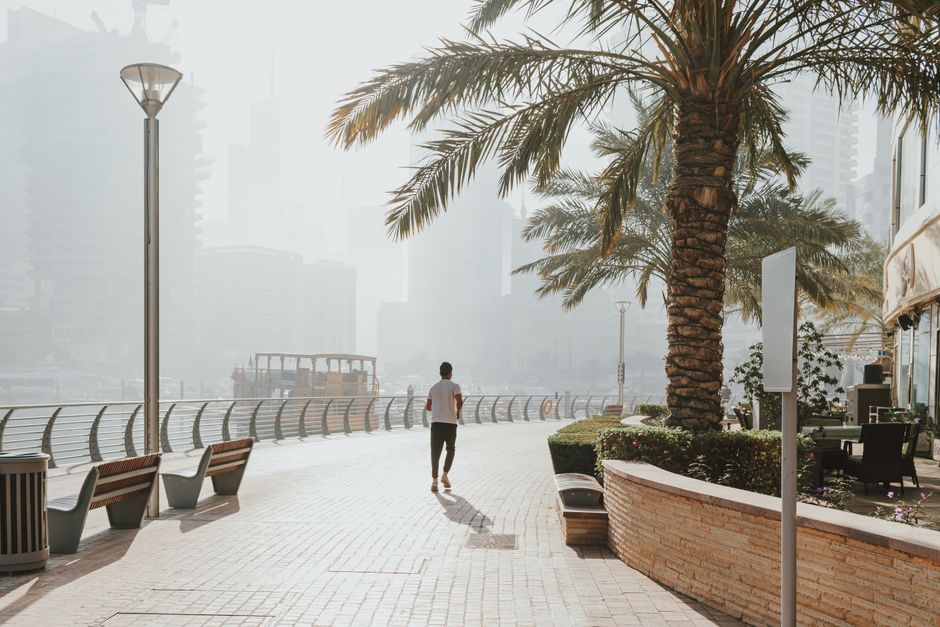
The Marina Walk running track remains iconic, drawing hundreds of joggers daily along its waterfront path. Yet newer additions are democratising access to outdoor running. The Al Khawaneej Trail, recently upgraded with marked distances and water stations, has become a weekend destination for trail enthusiasts. Mushrif National Park, spanning 1,439 hectares on the outskirts of the city, now hosts organised running groups tackling its winding pathways—a stark contrast to the urban concrete landscape just kilometres away.
This shift reflects broader patterns. Dubai Fitness Challenge's annual 30x30 initiative has normalised outdoor activity across all neighbourhoods, encouraging residents to explore running routes beyond traditional beachfront zones. Local running clubs report membership increases of 20-30% over the past two years, with participants citing mental health benefits and community connection as primary motivators.
The infrastructure investment is real. Jumeirah Beach Park and Safa Park both feature marked jogging paths, while newer residential communities like Damac Hills and Arabian Ranches are incorporating running trails into their design. The Roads and Transport Authority has also prioritised pedestrian and cycling routes, indirectly benefiting runners seeking safer alternatives to road-based training.
What's driving this trend? Heat management remains practical. Early-morning runners—typically starting between 5:30am and 6:30am during summer—avoid peak temperatures. Winter months (November through February) bring ideal conditions, with temperatures hovering around 20-25°C, making outdoor running genuinely comfortable.
Financially, outdoor running removes membership barriers. While premium gyms in Dubai average 2,000-3,500 AED annually, public parks and beaches remain free or low-cost entry points. This accessibility appeals to expat workers, young professionals, and families seeking budget-conscious wellness options.
Local running retailers have noticed. Shops across Dubai Mall, Mall of the Emirates, and Ibn Battuta Mall report increased footfall from customers seeking trail-specific footwear and gear—indicating serious adoption rather than passing fad.
The trend also reflects a global wellness narrative gaining traction here: the recognition that outdoor movement offers benefits beyond cardiovascular fitness. Exposure to natural light, reduced air-conditioning fatigue, and community engagement through group runs address holistic wellness concerns increasingly important to Dubai's health-conscious population.
As the city matures, outdoor running isn't replacing gym culture—it's complementing it. For wellness-focused residents, the real shift is choice: the freedom to run beneath an open sky remains increasingly accessible in a city known for controlled environments.
This article was compiled by AI from the sources linked above and screened before publishing. See our editorial standards.
How does this story make you feel?
Spread the word
About this article
Published by The Daily Dubai
Daily brief
Free, in your inbox before 7am. Weekdays.
More in Wellness