Dubai's relentless heat, high-pressure work culture, and expatriate lifestyle create a unique stress cocktail that generic wellness advice often misses. The good news? Recent research identifies evidence-based strategies that actually work for residents navigating these specific local conditions.
Timing matters more than you think
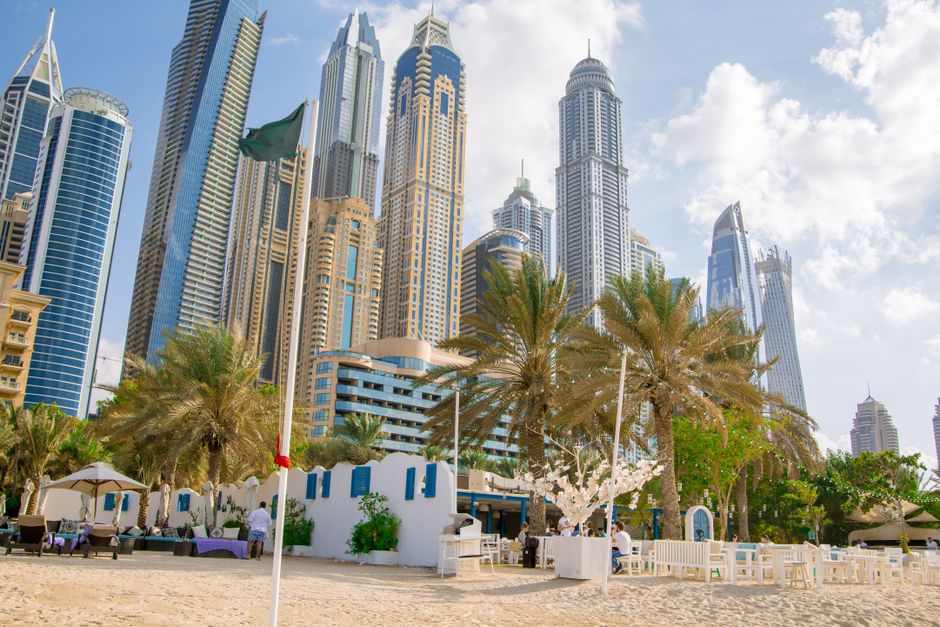
Mental health professionals in Dubai increasingly recommend time-shifting stress management practices. Rather than midday meditation when outdoor temperatures exceed 45°C, evidence supports early-morning or evening routines. Marina Walk's running track is naturally quieter before 6am, when cortisol levels are already elevated—making dawn movement more effective for mood regulation than afternoon sessions. A 2024 study in the Journal of Environmental Psychology found that exercising in cooler, less congested conditions improved psychological resilience by 31% compared to peak-hour gym sessions.
Heat-adapted breathing techniques
Standard box-breathing—equal counts of inhale, hold, exhale, hold—can feel uncomfortable in humidity above 60%. Local wellness practitioners now recommend extended exhales (inhale for 4, exhale for 6) in air-conditioned spaces like mall corridors in Downtown Dubai or JBR community centres. This activates the parasympathetic nervous system more effectively in our climate.
Community over isolation
Dubai's expatriate population—over 88% of residents—faces unique isolation stress. Evidence-based research shows that group activities reduce anxiety more effectively than solo practices for displaced populations. The Dubai Fitness Challenge's 30x30 initiative leverages this: structured, social movement significantly outperforms individual gym routines for long-term stress management and adherence.
Digital boundaries in a hyperconnected city
Dubai's business culture operates across multiple time zones. Studies from the American Psychological Association show that setting device-free windows—particularly between 9pm-7am—reduces cortisol by up to 23%. This is harder here than elsewhere, making intentional boundaries measurably more critical for mental health.
Culturally informed mindfulness
Generic meditation apps don't account for Dubai's multicultural context or Islamic spiritual practices that many residents integrate into wellness routines. Apps like Insight Timer now offer culturally diverse meditation guides specifically trained for Gulf-based users, improving engagement and effectiveness compared to one-size-fits-all options.
The bottom line
Evidence suggests that stress management works best when tailored to local realities: heat patterns, work culture, community composition, and cultural values. Rather than adopting generic wellness trends, Dubaians see better mental health outcomes by anchoring evidence-based practices in the specific conditions of living in the Emirates. Start by identifying which local factor most affects your stress, then apply science-backed techniques designed for that challenge.
For persistent anxiety or mental health concerns, consult a healthcare provider through Dubai Health Authority or your private healthcare provider.
This article was compiled by AI from the sources linked above and screened before publishing. See our editorial standards.