What Actually Works: Evidence-Based Nutrition Tips Tailored to Dubai's Heat and Lifestyle
Forget generic diet advice—here's what nutritionists say truly matters when you're eating and exercising in the Emirates' extreme climate.
Forget generic diet advice—here's what nutritionists say truly matters when you're eating and exercising in the Emirates' extreme climate.
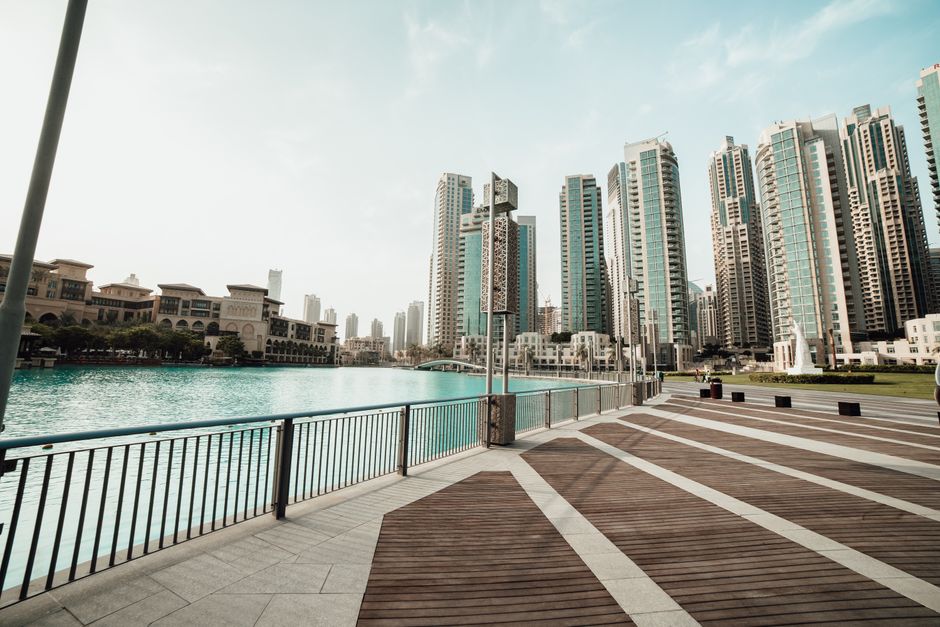
Dubai's fitness culture is booming. Whether you're running the Marina Walk track at dawn or hitting the JBR beach gym circuit, staying properly fuelled matters more than most wellness guides acknowledge. But standard nutrition advice often misses what actually works here.
The science is clear: hydration tops everything in a climate where temperatures regularly exceed 45°C. You're losing electrolytes—not just water—through sweat during outdoor activities. Sports nutritionists recommend coconut water from vendors across Dubai's residential areas, or plain water with a pinch of sea salt. This matters more than expensive electrolyte supplements. A recent analysis showed residents who drink 3-4 litres daily alongside regular exercise maintain better energy than those relying on sugary drinks.
Timing your meals around the heat is equally evidence-based. Heavy lunches between 1-3pm slow metabolism when your body's core temperature already peaks. Instead, eat substantial breakfasts before 8am—think eggs, whole grains, and local fruits from Spinneys or Carrefour locations across Jumeirah and Downtown. Save lighter meals for evenings when you're cooler and digestion is more efficient.
Protein intake becomes critical for anyone training seriously. The Dubai Fitness Challenge 30x30 participants who logged consistent strength work needed roughly 1.6-2.2 grams per kilogram of body weight daily. Local options matter: hummus and labneh from neighbourhood delis provide affordable, thermally-stable protein. Fish from the marina areas offers omega-3s that combat inflammation—especially useful if you're recovering from joint stress after high-impact training.
Seasonal produce also shifts nutrition value. Dates—a staple here—contain polyphenols that reduce exercise-induced oxidative stress. Eating 3-4 naturally-dried dates post-workout offers measurable recovery benefits, backed by sports science research. Watermelon and cantaloupe, available year-round at reasonable prices, contain citrulline, which improves blood flow and endurance performance.
One overlooked factor: humidity affects nutrient absorption. The moisture-rich air near JBR and Arabian Gulf areas increases how quickly your body processes certain minerals. This means magnesium-rich foods—leafy greens, almonds, dark chocolate—become more valuable for preventing cramping during long sessions.
The takeaway isn't revolutionary. It's practical: adjust portion sizes to your training schedule, prioritise hydration with electrolytes, time proteins around workouts, and leverage affordable local produce. These aren't trends. They're what the evidence actually supports for thriving athletically in Dubai's specific environment.
Always consult a registered dietitian or local healthcare provider before significantly changing your nutrition plan, especially if you have existing health conditions.
This article was compiled by AI from the sources linked above and screened before publishing. See our editorial standards.
How does this story make you feel?
Spread the word
About this article
Published by The Daily Dubai
Daily brief
Free, in your inbox before 7am. Weekdays.
More in Wellness