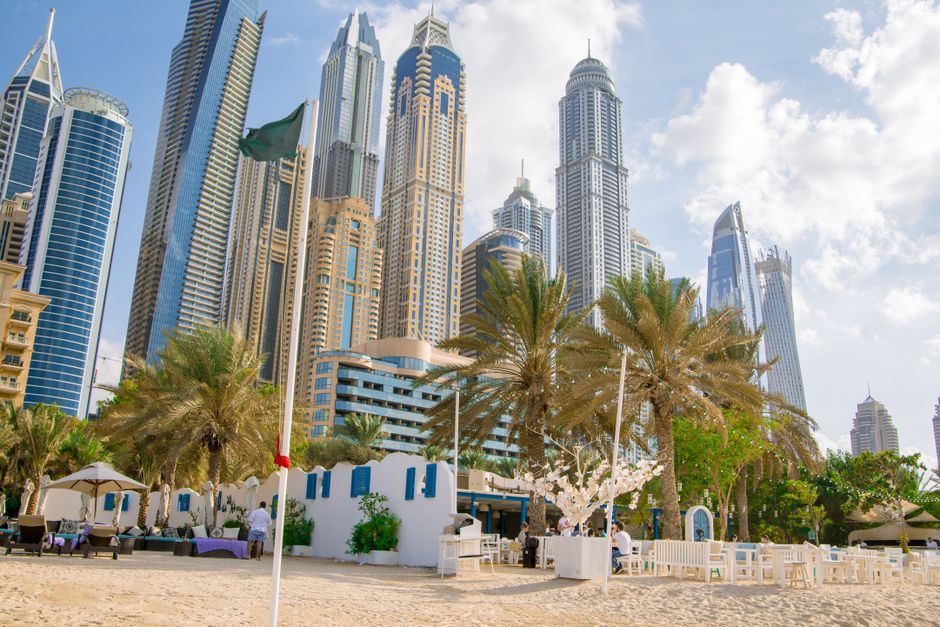
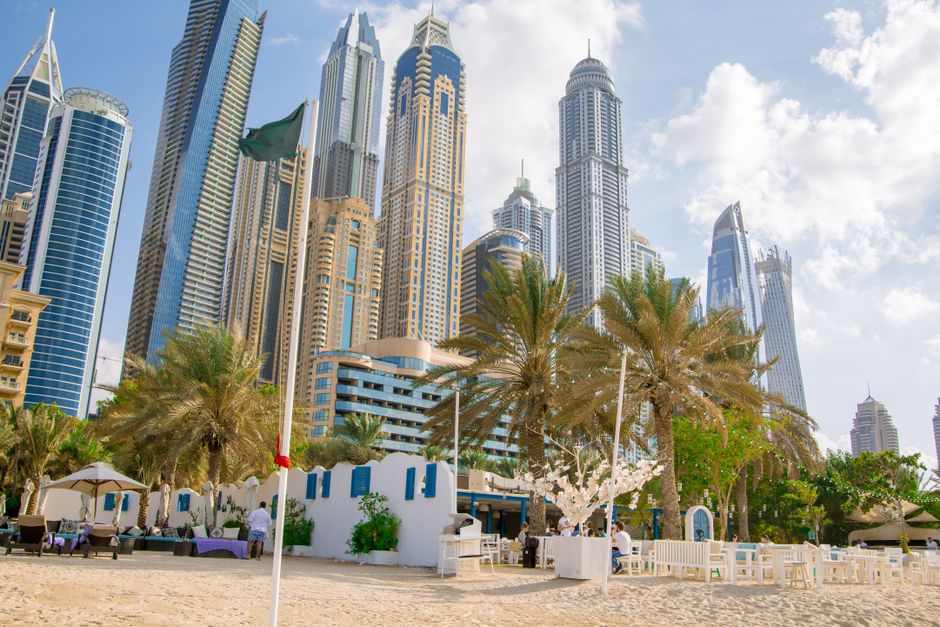
Walk along the Marina Walk running track on any weekday morning, and you'll spot dozens of fitness enthusiasts clutching branded meal prep containers. Five years ago, this would have been an unusual sight in Dubai. Today, it signals a broader transformation: the emirate is experiencing a measurable shift toward nutrition-led wellness, moving beyond the gym-and-supplement mentality that once dominated the fitness landscape.
The numbers tell the story. According to fitness facility operators across Downtown Dubai, JBR, and Al Barsha, nutrition consultations have grown 60–70 per cent since 2024. Premium gyms now routinely offer macro-tracking workshops and plant-based eating seminars alongside strength training classes. Meanwhile, specialised meal prep services have proliferated—particularly around fitness hubs in Marina and near Dubai Sports City—with weekly subscription boxes ranging from Dh150 to Dh350, a price point that reflects growing middle-market demand.
This trend reflects the city's participation in the annual Dubai Fitness Challenge 30x30 initiative, which has broadened beyond exercise to emphasise holistic health. Local nutritionists report that clients increasingly ask not just "what should I eat?" but "how does this fuel my specific fitness goals?" The conversation has shifted toward whole foods, seasonal eating, and understanding ingredient sourcing—a maturation of wellness thinking once rare here.
Neighbourhood markets have adapted too. Spinneys outlets across the city have expanded organic produce sections, while independent retailers in Jumeirah and Arabian Ranches now stock locally grown vegetables from farms like Al Khawaneej. Food delivery platforms have added dedicated "clean eating" categories, capitalising on demand from residents conscious of sodium content, added sugars, and ultra-processed ingredients.
Beach fitness culture—particularly the early-morning swimming and calisthenics communities along JBR—has amplified this shift. These informal networks share nutrition tips as readily as workout routines, creating peer pressure toward more intentional eating habits.
The wellness industry's maturity is evident in how nutrition is now positioned: not as restriction, but as performance optimisation. Newer establishments in areas like The Walk, JBR, and Downtown offer smoothie bars with macro calculators, acai bowls with nutrient breakdowns, and staff trained to discuss bioavailability of nutrients—concepts that would have seemed niche just three years ago.
For those interested in exploring this shift, speaking with a registered nutritionist or dietitian in Dubai remains the best first step. The emirate's healthcare infrastructure now includes many qualified professionals who understand both international best practices and local food culture.
Dubai's wellness evolution reflects a maturing city: one where fitness without nutrition knowledge is increasingly seen as incomplete, and where healthy eating is becoming aspirational, accessible, and genuinely local.
This article was compiled by AI from the sources linked above and screened before publishing. See our editorial standards.