Dubai's Sleep Revolution: How Local Wellness Habits Stack Up Against Global Trends
As the world embraces sleep science, Dubai residents are reshaping their routines—but cultural factors and desert living create a uniquely local approach.
As the world embraces sleep science, Dubai residents are reshaping their routines—but cultural factors and desert living create a uniquely local approach.
While sleep clinics across North America and Europe report record demand for circadian rhythm coaching and melatonin supplementation, Dubai's wellness scene is charting its own course. The global sleep wellness market, valued at approximately $585 billion in 2025, emphasises early-to-bed discipline and blue-light reduction. Yet in the Emirates, the reality is more nuanced—shaped by summer heat, cultural traditions, and a growing appetite for evidence-based rest recovery.
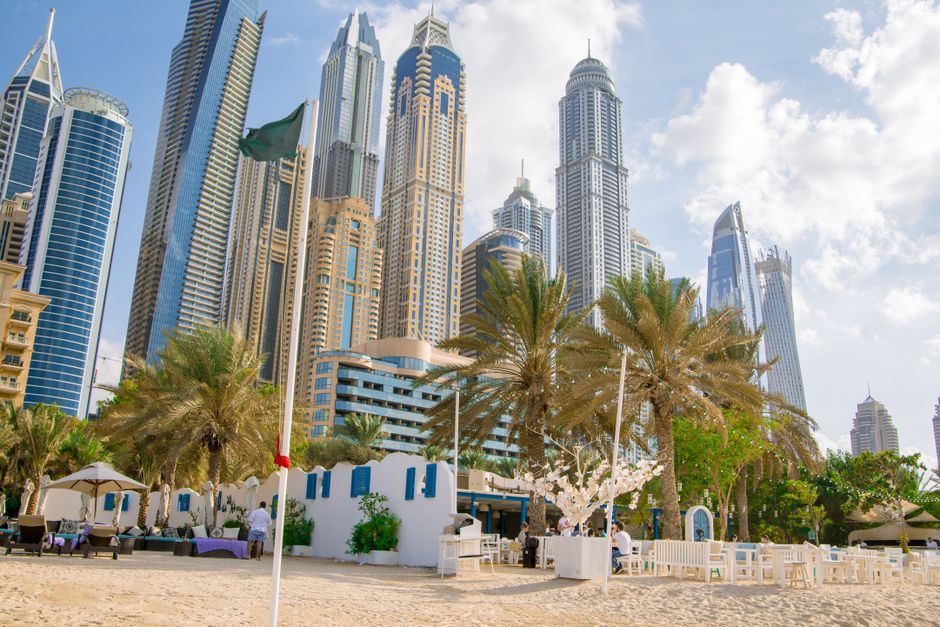
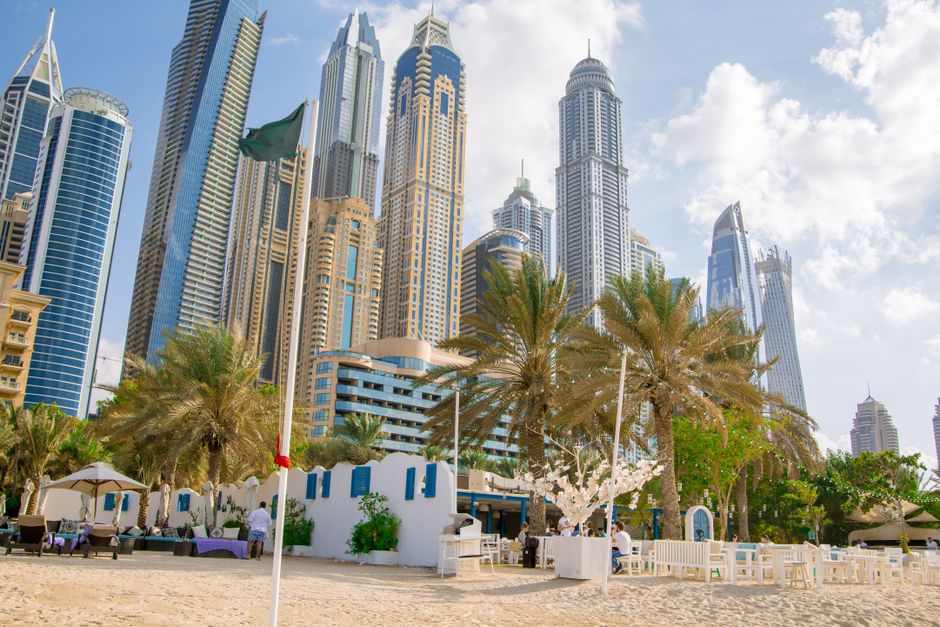
The Dubai Fitness Challenge's 30x30 initiative, which encourages residents to exercise for 30 minutes daily, has inadvertently sparked conversations about sleep debt and recovery. Fitness enthusiasts across JBR and Marina Walk have begun pairing their morning and evening workouts with deliberate sleep optimisation strategies, from afternoon power naps to temperature-controlled bedroom environments. Gyms across Downtown Dubai and Business Bay now offer recovery pods and dedicated rest areas—amenities that were rare locally five years ago.
Locally, the summer sleep challenge is acute. Temperatures routinely exceed 45°C, making traditional advice about cool, dark bedrooms a luxury many cannot achieve without substantial air-conditioning investment. A 2025 survey by the Dubai Health Authority found that 58 per cent of residents report disrupted sleep during June through August, compared to a global average of 38 per cent during equivalent seasons. Response strategies vary: some residents adopt polyphasic sleep schedules—shorter nighttime sleep supplemented by daytime rest—a practice more common in Mediterranean and Middle Eastern cultures than in Western wellness frameworks.
Sleep hygiene technology adoption is notably higher in Dubai than regional peers. Smart mattress devices, sleep-tracking wearables, and ambient sound systems are mainstream in Emirates Hills and Downtown communities, with prices ranging from AED 2,500 to AED 15,000 for advanced systems. Yet uptake remains concentrated among affluent areas; affordability and access remain barriers in outer emirates.
The convergence of global trends and local realities is reshaping Dubai's wellness narrative. While international wellness influencers champion eight-hour consolidated sleep and strict bedtime routines, local practitioners increasingly advocate for flexibility—recognising that sleep patterns adapted to desert living and cultural practices (such as evening socialising and prayer schedules) are equally valid.
As Dubai's wellness infrastructure matures, the opportunity lies not in blindly importing global sleep trends, but in evidence-based practices tailored to local climate, culture, and lifestyle. That balance—between respecting global research and honouring local context—defines next-generation wellness in the emirate.
For personalised sleep and rest advice, consult a local sleep specialist or your GP in Dubai.
This article was compiled by AI from the sources linked above and screened before publishing. See our editorial standards.
How does this story make you feel?
Spread the word
About this article
Published by The Daily Dubai
Daily brief
Free, in your inbox before 7am. Weekdays.
More in Wellness