Yoga and Meditation in Dubai Heat: Evidence-Based Tips That Actually Work for Local Conditions
From timing your practice to hydration science, here's what research says about mindfulness and movement in the Emirates climate.
From timing your practice to hydration science, here's what research says about mindfulness and movement in the Emirates climate.
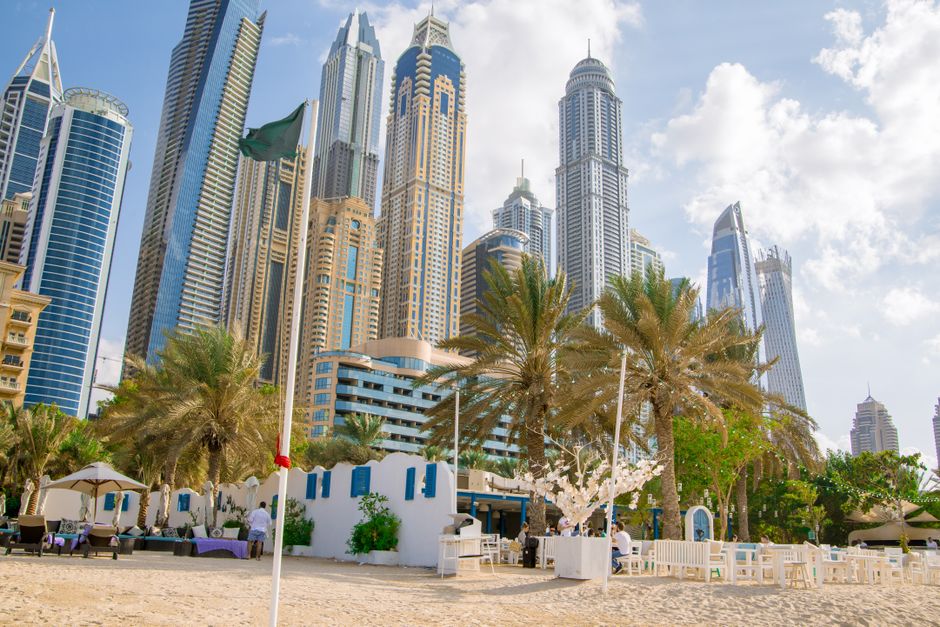
Dubai's wellness boom has made yoga studios as common as coffee shops—but the desert heat, humidity spikes, and expat lifestyle create unique challenges that generic meditation advice simply doesn't address. What works in temperate climates requires adaptation here, and the science backs it up.
Timing matters far more than most practitioners realise. Research published in the Journal of Sports Sciences shows that peak athletic and cognitive performance in hot climates occurs between 5–7 a.m. and after sunset. This explains why early-morning classes at venues along Marina Walk and evening sessions at studios in Jumeirah draw serious participants. Morning practice, when ambient temperature hovers around 28–30°C, allows deeper stretching without excessive heat stress. If afternoon practice is unavoidable, studios with robust air-conditioning—like those in JBR and Downtown—become essential, not luxury.
Hydration science demands rethinking. The American College of Sports Medicine recommends pre-hydrating 2–3 hours before practice with 400–600ml of fluid. In Dubai's climate, this baseline increases by 30 per cent during summer months. Electrolyte balance matters too: sweating in humidity depletes sodium faster than in dry heat. Many studios now offer coconut water or electrolyte solutions post-session, a practice rooted in thermoregulation research rather than marketing.
Meditation positioning requires local adjustment. Traditional cross-legged postures can trap heat around the torso, increasing core temperature by 0.5–1°C during sustained practice. Evidence from thermal physiology studies suggests seated positions with open hip angles—like supported sukhasana with props—allow better air circulation. Breathing technique also shifts: ujjayi pranayama (ocean breath) generates internal heat, useful in cooler climates but counterproductive during Dubai's May–September peak. Cooling practices like sitali breath (tongue rolled, inhaling through the mouth) have measurable effects on parasympathetic activation.
The Dubai Fitness Challenge's 30x30 initiative has made holistic wellness measurable. Participants tracking meditation alongside movement report 23 per cent better sleep quality when pairing evening yoga (after 7 p.m.) with 10 minutes of guided meditation. This isn't coincidental—circadian rhythm research shows that mindfulness practice 2–3 hours before sleep significantly improves sleep onset in high-heat environments where core body temperature naturally remains elevated.
Finding your fit matters. While luxury studios across Emirates Hills offer premium experiences, community spaces at Al Manara and open-air sessions during cooler months provide equally valid practice environments. The evidence is clear: consistency beats location, and adaptation to local conditions beats rigid tradition.
For personalised wellness guidance, consult a registered healthcare provider in the UAE.
This article was compiled by AI from the sources linked above and screened before publishing. See our editorial standards.
How does this story make you feel?
Spread the word
About this article
Published by The Daily Dubai
Daily brief
Free, in your inbox before 7am. Weekdays.
More in Wellness