From Marina to Manara: How Outdoor Running Trails Are Becoming Dubai's New Wellness Obsession
As the city shifts beyond gym culture, purpose-built running routes and beachside circuits are transforming how residents approach fitness.
As the city shifts beyond gym culture, purpose-built running routes and beachside circuits are transforming how residents approach fitness.
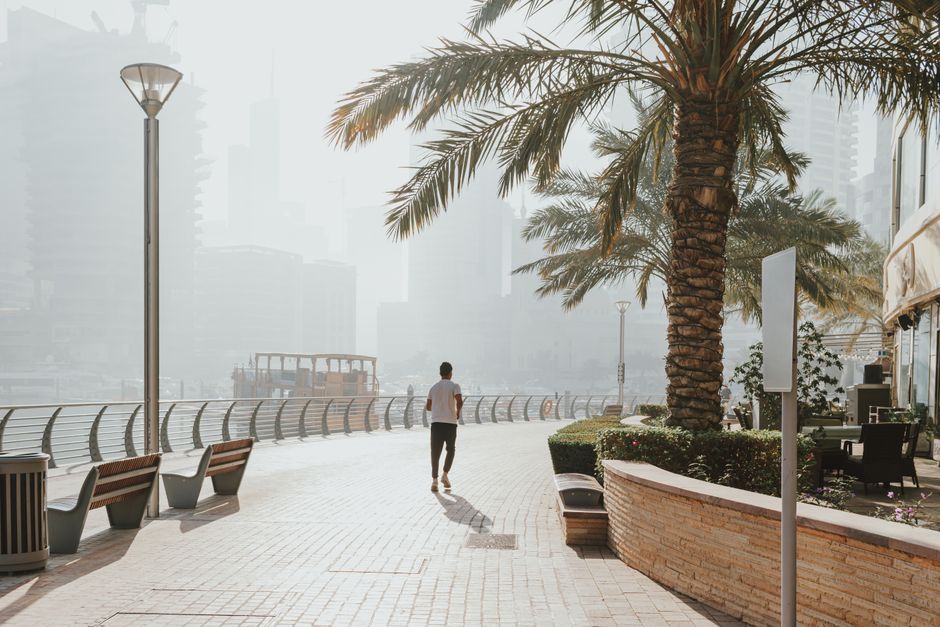
Five years ago, Dubai's fitness identity was synonymous with air-conditioned gyms and indoor studios. Today, the narrative has shifted dramatically. Outdoor running trails have become the city's fastest-growing wellness trend, driven by a combination of improved infrastructure, cooler evening temperatures during winter months, and a cultural pivot toward community-based fitness.
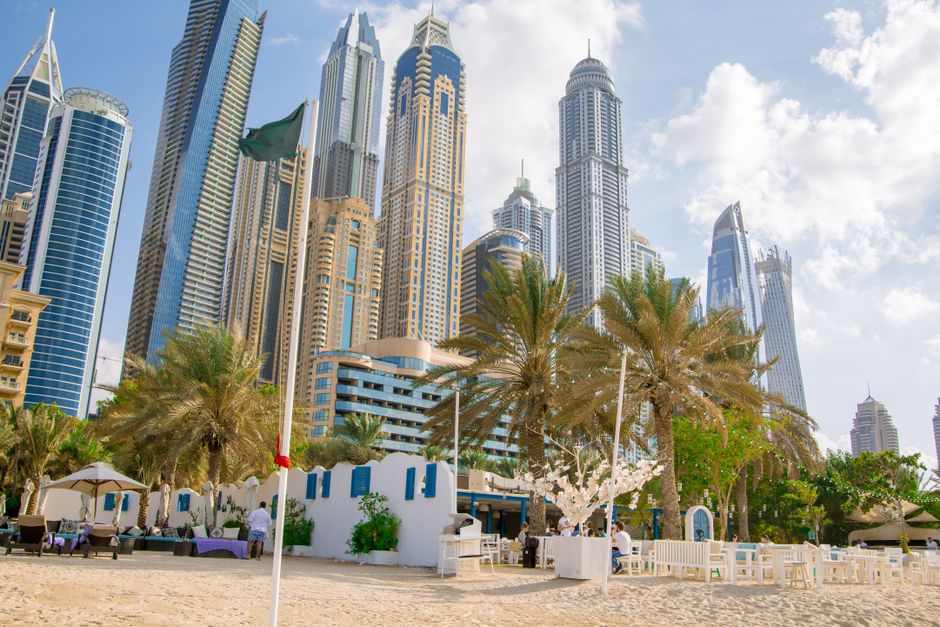
The Marina Walk running track exemplifies this transformation. Once a casual promenade, the 2.5-kilometre circuit now hosts hundreds of runners during early morning and evening hours, particularly between October and April. The track's smooth, well-lit surface and proximity to retail amenities have made it a hub for solo runners and organised groups alike. Similarly, the JBR beach fitness culture—long established but previously niche—has evolved into a mainstream phenomenon, with dedicated sand circuits, outdoor gym stations, and morning beach bootcamp sessions drawing participants across all age groups and fitness levels.
The Dubai Fitness Challenge 30x30 annual event has amplified this trend considerably. What began as a month-long initiative has catalysed permanent infrastructure investments, including expanded pathways along Dubai Water Canal, improved signage along Al Manara Beach routes, and new running stations with water fountains and stretching areas across Jumeirah and Arabian Ranches communities.
Local fitness operators have capitalised on this momentum. Running clubs affiliated with gyms in Downtown Dubai and Business Bay now organise weekly outdoor sessions at Zabeel Park and Safa Park, offering structured interval training and long-distance routes. These sessions typically cost between AED 50–150 per participant, significantly less than traditional gym memberships, which average AED 3,000–5,000 annually.
The trend reflects broader wellness philosophy shifts. Runners cite mental health benefits—stress reduction and improved sleep—alongside physical advantages. The city's expansion of dedicated cycling and running lanes, particularly along Sheikh Zayed Road extensions and through newer developments like Jumeirah Golf Estates, has reduced safety concerns that previously deterred outdoor activity.
Weather remains a constraint. Summer temperatures exceeding 45°C limit outdoor running to very early mornings or late nights, though treadmill demand actually decreases during cooler months as trail running gains traction. Humidity levels between June and September keep outdoor fitness relegated to dedicated runners and early risers.
Industry observers predict this shift will accelerate. Investment in trail infrastructure, growing community running groups, and social media documentation of local routes suggest outdoor fitness has moved from novelty to normalised wellness choice. For Dubai's diverse population, these trails now represent something beyond exercise—they're becoming social anchors and expressions of the city's evolving relationship with health.
This article was compiled by AI from the sources linked above and screened before publishing. See our editorial standards.
How does this story make you feel?
Spread the word
About this article
Published by The Daily Dubai
Daily brief
Free, in your inbox before 7am. Weekdays.
More in Wellness