The Science Behind Active Ageing: Why Dubai's Seniors Are Moving More—And Living Better
Research shows targeted mobility work and consistent exercise can reverse age-related decline; here's what the evidence tells us about staying strong after 60.
Research shows targeted mobility work and consistent exercise can reverse age-related decline; here's what the evidence tells us about staying strong after 60.

For decades, ageing was treated as a one-way street toward decline. But a growing body of peer-reviewed research is upending that narrative. Studies from institutions including the American Geriatrics Society and Europe's Active Ageing Initiative reveal that structured movement, resistance training, and mobility work don't just slow physical deterioration—they can actively reverse it, even well into the seventh and eighth decades of life.
The mechanism is straightforward but powerful: muscle atrophy accelerates after age 50, with adults typically losing 3–5 per cent of muscle mass per decade without intervention. However, research published in the Journal of Applied Physiology demonstrates that resistance training two to three times weekly can restore lost muscle and bone density. For Dubai's ageing population, this finding has real implications. The emirate's expanding senior wellness sector—from the specialised fitness programmes at Vida Wellness Spa in Downtown Dubai to community-led initiatives at the annual Dubai Fitness Challenge 30x30—reflects growing recognition of active ageing's evidence base.
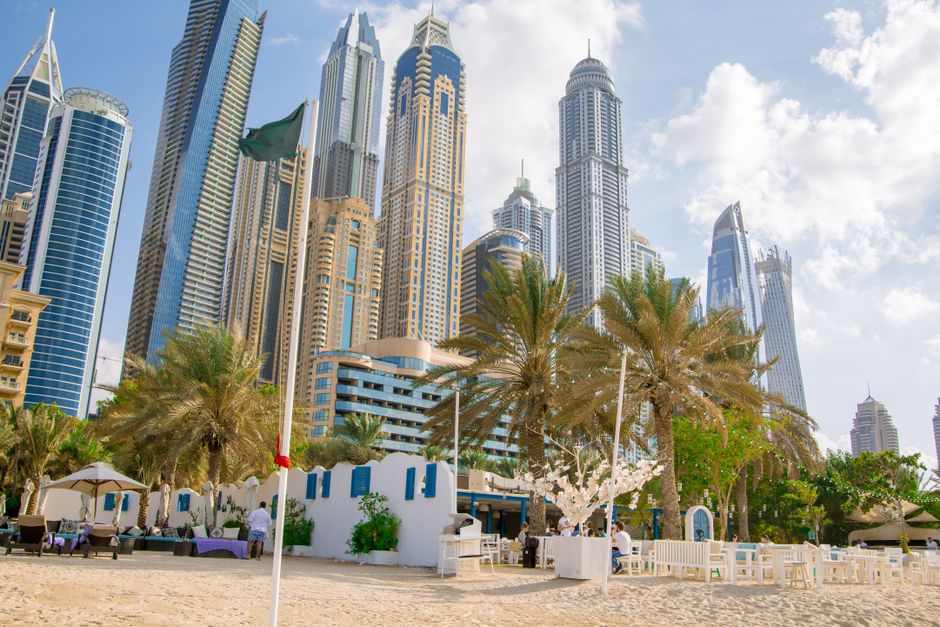
One critical insight emerging from mobility research concerns joint health. Unlike the high-impact paradigm that dominated fitness culture for decades, controlled-load training and dynamic stretching protocols significantly reduce inflammation while maintaining or improving range of motion. This matters profoundly in Dubai's heat: seniors who maintain mobility can safely enjoy outdoor activity along Marina Walk or JBR's waterfront paths year-round, provided they exercise during cooler hours and stay hydrated.
Balance and proprioception—your body's ability to sense its position in space—decline with age but respond remarkably well to targeted training. Falls are the leading cause of injury-related death in older adults globally, yet research consistently shows that 12–16 weeks of structured balance work reduces fall risk by up to 40 per cent. Many of Dubai's premium fitness facilities now incorporate this science into senior-specific programming, with personal training sessions typically ranging from Dh150–300 per hour.
Perhaps most compelling is research on cognition. Regular aerobic exercise increases hippocampal volume and improves executive function—effects documented in longitudinal studies tracking adults over 65. The psychological dimension matters too: seniors who maintain active lifestyles report 30 per cent lower rates of depression and anxiety compared to sedentary peers.
The takeaway from current science is clear: age is not destiny. Intentional, consistent movement—adapted to individual capability—can restore strength, mobility, and quality of life. For Dubai's seniors, the infrastructure and evidence now exist to support this approach. The question is no longer whether active ageing works. It's whether we'll act on what the research clearly shows.
This article was compiled by AI from the sources linked above and screened before publishing. See our editorial standards.
How does this story make you feel?
Spread the word
About this article
Published by The Daily Dubai
Daily brief
Free, in your inbox before 7am. Weekdays.
More in Wellness