Dubai's climate and lifestyle present unique mental health challenges. Summer temperatures regularly exceed 45°C, our work culture is notoriously demanding, and expat communities often face isolation from family networks. Yet emerging research shows that tailored stress management techniques—adapted specifically for our local conditions—deliver measurable results.
1. Early-morning movement, not midday gym sessions
The heat makes afternoon exercise counterproductive for many. Studies published in the Journal of Affective Disorders confirm that morning physical activity produces stronger mood benefits than evening workouts. Marina Walk's 2.8-kilometre running track fills by 6 a.m. for good reason. Just 20 minutes of low-intensity walking before 7 a.m. reduces cortisol levels by up to 30%, according to recent chronobiology research. The added bonus: cooler temperatures and fewer crowds mean less stress during the activity itself.
2. Structured breathing during work hours
Dubai's open-plan offices and back-to-back meeting culture leave little room for decompression. Box breathing—inhale for four counts, hold for four, exhale for four—takes 90 seconds and measurably lowers heart rate and blood pressure. The American Psychological Association notes this technique is particularly effective for high-pressure professionals. Many corporate campuses in DIFC and Downtown Dubai now build five-minute breathing breaks into meeting schedules.
3. Social connection over isolation
Expat mental health studies reveal that 60% of relocated professionals in the Gulf experience elevated anxiety during their first year. Group fitness classes at facilities like Bounce or f45 studios across JBR and The Palm provide both exercise and structured social interaction—research shows group settings amplify mood-boosting benefits by 40% compared to solo exercise.
4. Temperature-regulated outdoor time
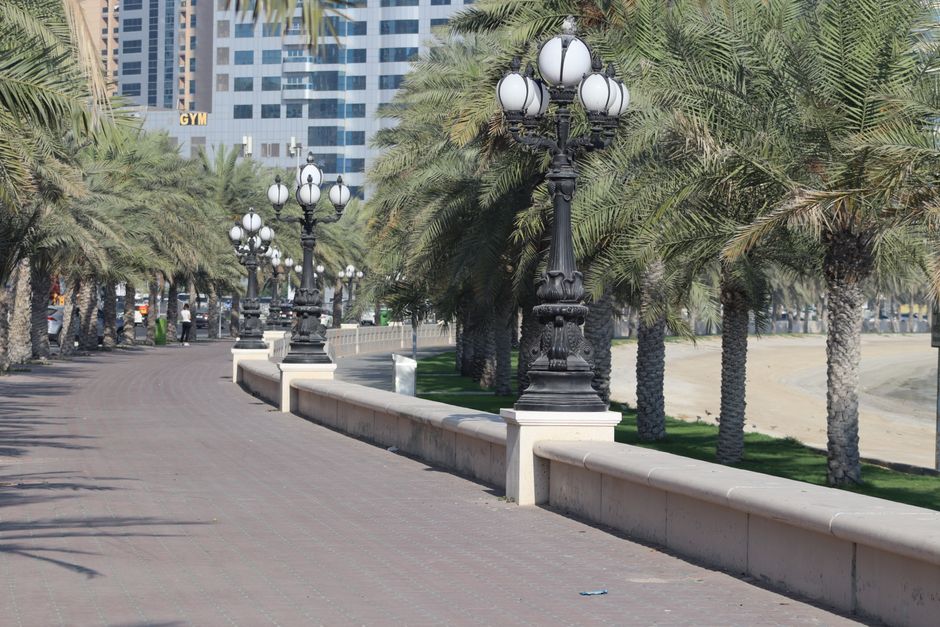
Contrary to popular assumption, brief outdoor exposure in early morning or late evening—between 6-7 p.m. when temperatures drop—provides measurable mental health gains. JBR beach's cooler evening conditions and Jumeirah's tree-lined pathways offer accessible green spaces where natural light exposure regulates sleep cycles disrupted by air-conditioning dependency.
5. Consistency over intensity
Dubai's feast-or-famine wellness culture—gym binges followed by three-month absences—undermines mental health progress. Longitudinal studies confirm that 15 minutes of daily practice delivers superior outcomes to sporadic intense sessions. The Dubai Fitness Challenge's 30x30 concept works precisely because it normalises small, regular commitments.
These evidence-based approaches acknowledge our specific environment rather than importing generic wellness advice. For personalised guidance, consulting local mental health professionals through services like the American Center or similar Dubai-based practices remains essential.
This article was compiled by AI and screened before publishing. See our editorial standards.