wellness
Hydration in the local climate: how much and what to drink
With July temperatures cresting 46°C on the thermometer and humidity punishing anyone who steps outside, Dubai residents are losing more fluid than most realise, and many are replacing it with the wrong things.
How we reported this
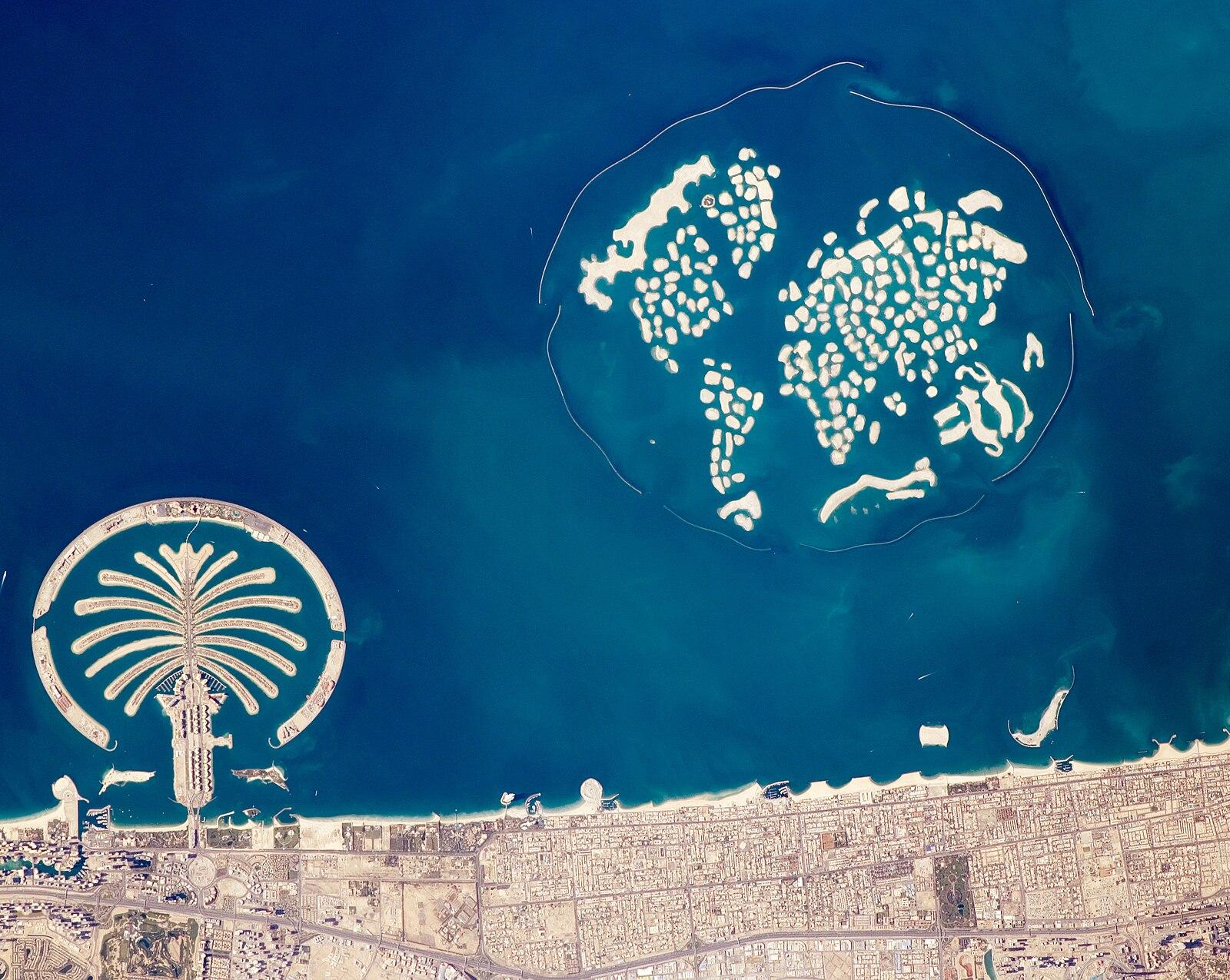
The human body can shed up to two litres of sweat per hour during intense outdoor activity in Gulf summer conditions. That figure is not a warning label, it is a physiological reality for anyone running the Marina Walk, cycling along Al Wasl Road, or simply walking between a Deira parking lot and an air-conditioned office at midday in July. Dehydration here is not a seasonal inconvenience. It is a clinical risk that escalates faster than most expats and long-term residents anticipate.
The timing matters. Dubai's Dubai Fitness Challenge 30x30, the annual city-wide event that asks residents to exercise 30 minutes a day for 30 consecutive days, returns in October, and health professionals across the city say the months leading up to it are when residents ramp up outdoor training, often without adjusting their fluid strategy for the climate. The consequences range from fatigue and headaches to heat exhaustion, which the Dubai Health Authority treated in hundreds of cases last summer across its network of public hospitals and urgent care centres.
What the body actually needs out here
The standard advice of eight glasses, roughly two litres, a day was designed for temperate climates. In Dubai, the European Food Safety Authority's baseline of 2.5 litres for men and 2.0 litres for women is considered a floor, not a target. Nutritionists at clinics along Jumeirah Beach Road and inside the Mediclinic network routinely advise active residents to target between 3.5 and 4.5 litres daily during summer months, with that number climbing sharply for anyone exercising outdoors.
Electrolytes complicate the picture. Sweat carries sodium, potassium and magnesium out of the body, and replacing fluid without replacing those minerals can push someone into hyponatraemia, dangerously low blood sodium, which feels, confusingly, a lot like dehydration itself. Plain water is essential, but it is not the whole answer. The World Health Organization's oral rehydration formula remains the gold standard for rapid recovery: six teaspoons of sugar, half a teaspoon of salt, one litre of clean water. Most residents, understandably, prefer something more palatable.
Coconut water has colonised the shelves of Waitrose branches at Jumeirah Lakes Towers and Dubai Marina, selling for between AED 8 and AED 22 a carton depending on brand and volume. It provides a reasonable hit of potassium. Sports drinks like Pocari Sweat, widely available across Carrefour outlets, deliver electrolytes more precisely, though they carry sugar loads that matter if weight management is also a goal. Homemade options work: a pinch of Himalayan salt and a squeeze of lemon in cold water costs almost nothing and replaces sodium effectively.
What to avoid, and when to drink it
Caffeine and alcohol are both diuretics, accelerating fluid loss at exactly the moment the body can least afford it. A double espresso from a café on The Beach at JBR before a morning run is not inherently dangerous, but drinking it without a 500ml water chaser is a poor strategy. Alcohol at a Friday brunch, a fixture of Dubai social life that typically runs from 12:30pm to 4pm, can strip a significant volume of fluid if consumption is not matched glass-for-glass with water.
Timing matters as much as quantity. Drinking one litre in the hour before outdoor activity is more effective than trying to catch up afterwards. The JBR beach fitness community, which gathers at the stretch of sand between The Walk and Bluewaters Island from around 6am before the heat peaks, has largely absorbed this lesson. Cooler bag coolers lined with electrolyte sachets are a common sight by 7am.
The practical baseline for a Dubai summer: start drinking before you feel thirsty, thirst is already a signal that the body is behind. Check urine colour; pale straw is the target, dark amber is a red flag. And if outdoor exercise is non-negotiable, move it before 8am or after 7pm, when ambient temperatures drop by as much as 8°C. For personalised guidance, particularly for anyone with kidney, heart or blood pressure conditions, consult a physician at a DHA-registered clinic before overhauling a fluid regimen.