Beyond the Burger: How Dubai Is Embracing Plant-Based Protein
From Jumeirah superstores to Marina Walk fitness culture, the city's appetite for non-meat protein is reshaping menus, gym bags, and grocery aisles.
From Jumeirah superstores to Marina Walk fitness culture, the city's appetite for non-meat protein is reshaping menus, gym bags, and grocery aisles.
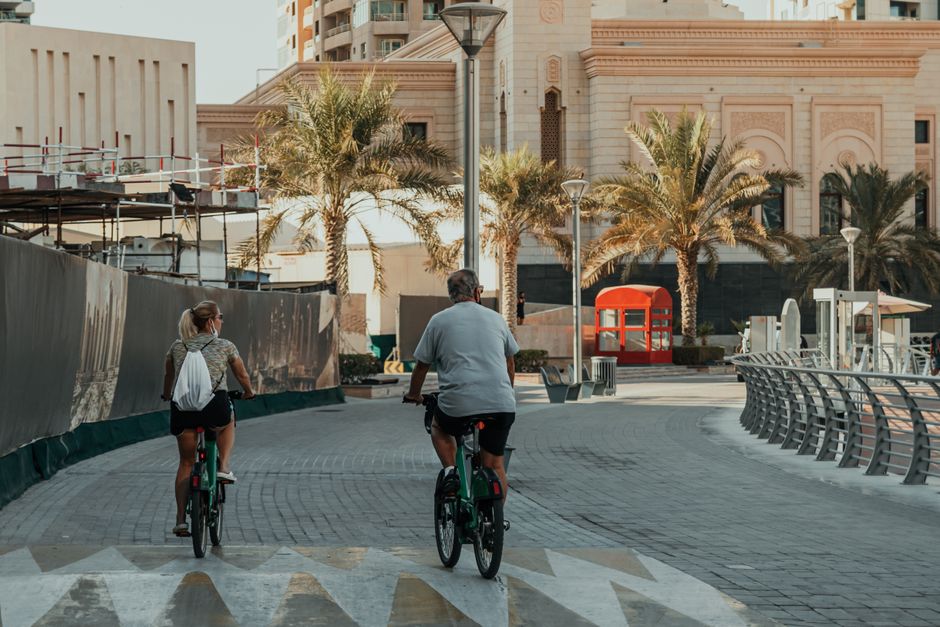
Sales of plant-based protein products at Spinneys outlets across Dubai jumped roughly 34 percent between January and June 2026, according to figures shared by the retailer's nutritional buyer at a wellness trade briefing last month. That single number captures something visible to anyone walking the Marina Walk running track on a Friday morning or scanning the supplement shelves at GNC's JBR branch: Dubai's fitness crowd is quietly moving away from chicken-and-rice orthodoxy.
The timing matters. Global protein demand is surging alongside gym participation rates, and residents here are dealing with a specific local factor, summer heat that makes heavy red-meat digestion genuinely uncomfortable. Dietitians at the Dubai Nutrition Association have noted increased client inquiries about lighter, high-efficiency protein sources since April, the month temperatures reliably push past 38°C. The Dubai Fitness Challenge 30x30 programme, which wraps its next edition in November, has also sharpened year-round awareness of macro-nutrient planning among the city's estimated 3.5 million residents.
Lentils remain the backbone of the non-meat protein story here, partly for economic reasons. A one-kilogram bag of red lentils at Carrefour City Centre Deira retails for around AED 7, delivering roughly 25 grams of protein per 100 grams dry weight at a fraction of the cost of imported whey. Chickpeas, a staple already embedded in Emirati and South Asian cooking traditions that shape Dubai's food culture, offer a similar profile. Both are now showing up not just in home kitchens but on the menus at health-focused cafés like Wild & The Moon in Alserkal Avenue, which built its Jumeirah Road and Al Wasl branches around exactly this kind of ingredient architecture.
Greek yoghurt and labneh deserve more credit than they usually get in the fitness conversation. A 200-gram serving of plain Greek yoghurt clears 17 grams of protein, and the Chobani and Danone ranges now stocked at most Union Co-op locations have made the category genuinely competitive on price. Eggs, still AED 12 to 14 for a 30-pack at most neighbourhood grocers, remain hard to beat on cost-per-gram of complete protein, and sports nutritionists at the Mediclinic Welcare Hospital clinic on Oud Metha Road consistently recommend them as a baseline for clients not ready to commit to full plant-based diets.
Edamame, tofu, and tempeh have taken longer to find traction here, but that's changing. Kibsons, the Dubai-based fresh-produce delivery platform, added a dedicated plant protein category to its app in March 2026 and reported it as one of its five fastest-growing segments through Q2. A 400-gram block of firm tofu on Kibsons currently lists at AED 18, enough for two substantial meals.
None of this means protein powders are losing ground. The GNC store at Dubai Mall moved its pea-protein and hemp-protein blends to eye-level shelving early this year, a small but deliberate merchandising signal. Pea protein in particular has attracted attention because it scores well on the PDCAAS digestibility scale, a measure of how efficiently the body can use a protein source, while avoiding the lactose issues that make standard whey a problem for a significant portion of Dubai's South Asian and Arab residents.
Quinoa rounds out the practical shortlist. At AED 25 to 30 per kilogram at Waitrose branches in Dubai Marina and Downtown, it's not the cheapest option, but its status as a complete protein, containing all nine essential amino acids, justifies the premium for many shoppers already spending on gym memberships that start at AED 300 a month.
Anyone looking to restructure their protein intake should start with a licensed dietitian before overhauling their diet, particularly if they have kidney function concerns or are managing a chronic condition. The Dubai Health Authority's Al Baraha Hospital runs low-cost outpatient nutrition clinics that accept walk-in appointments most weekday mornings. The practical starting point, though, is simpler: next time you're restocking after a Marina Walk session, swap one chicken portion for lentils or edamame and track how you feel across a fortnight. The data will be your own.
How does this story make you feel?
Spread the word
About this article
Published by The Daily Dubai
Daily brief
Free, in your inbox before 7am. Weekdays.
More in Wellness