Protein Sources Beyond Meat: A Local Guide for Healthy Eating in Dubai
As Dubai’s focus on wellness grows, residents are turning to plant-based and alternative proteins—here’s where to find them and how much they cost.
As Dubai’s focus on wellness grows, residents are turning to plant-based and alternative proteins—here’s where to find them and how much they cost.

Shoppers at Waitrose on Sheikh Zayed Road are lining up for more than just premium cuts of beef these days. Shelves stocked with halloumi, Greek yoghurts, organic lentils, and tofu are moving faster than ever, as more Dubai residents look for protein sources beyond the butcher counter.
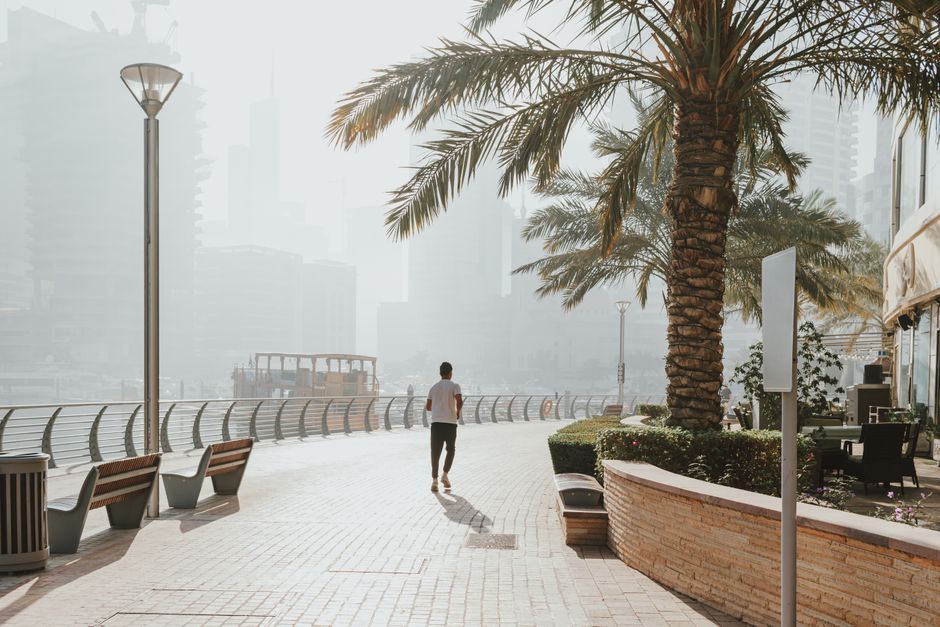
Interest in alternative proteins has ballooned recently, fueled both by health concerns and the city’s competitive fitness scene. Nutritionists say plant-based options can help fuel endurance runners at Marina Walk or power intensive HIIT classes at Train Strength & Fitness in Al Quoz. With the Dubai Fitness Challenge’s 30x30 campaign returning this autumn, more residents are searching for protein-rich options that aren’t chicken or steak.
Dubai’s multicultural food scene means a wide selection on local shelves. While traditional cuisine leans heavily on grilled kebabs and lamb, the demand for plant and alternative proteins is visibly rising. In Jumeirah Lakes Towers, gourmet grocer Organic Foods & Café reports a 20% year-on-year spike in sales of pulses, especially homegrown Emirati lentil and chickpea mixes. Over in JBR, vegan cafés like Wild & The Moon (on Alserkal Avenue) are attracting crowds with tofu bowls, tempeh salads, and protein shakes made from spirulina and pea protein.
The city’s fitness-focused beach crowd is helping drive this trend. At the JBR outdoor fitness zone, personal trainers regularly field questions about non-meat post-workout proteins, pointing clients to locally available options like laban (fermented yoghurt drink), eggs from Ripe Organic Farm (AED 18 per half-dozen), and Canadian-imported hemp seeds found at Spinney’s supermarkets.
Dubai Municipality reported in 2025 that 14% of adults in the city followed a flexitarian or reduced-meat diet, up from 9% in 2021. The global surge in vegan and vegetarian lifestyles has reached the UAE, too, with the Dubai Chamber of Commerce noting a 30% rise in plant-based product imports last year. Prices for alternative proteins vary: tofu at Lulu Hypermarket goes for around AED 10 for a 400g pack, while a bag of imported organic red lentils at Waitrose sells for AED 29. Quinoa and chickpeas remain among the most cost-effective proteins at approximately AED 18 per 500g and AED 6 per 400g can, respectively.
For athletes, dieticians at Emirates Hospital recommend at least 1.2g of protein per kilogram of body weight daily. Plant-based diets can hit this target with a mix of legumes, low-fat dairy, and seeds found at city staples like Carrefour in Mall of the Emirates or Mirdif City Centre.
Fitness nutritionists in Dubai suggest building balanced meals by mixing sources—quinoa tossed with black beans, Greek yoghurt with almonds, or scrambled eggs with chickpeas. Several home delivery services, such as Right Bite or Kcal Life, offer flexible meal plans showcasing these alternatives. Food festival events at Dubai World Trade Centre now often feature masterclasses in plant-rich cooking, as interest continues to expand.
For those new to non-meat proteins, start by swapping one meal a day—like a post-Marina Walk smoothie made with pea protein, or a lentil salad for lunch. With prices stabilising due to increased demand, and availability spreading across Deira, Downtown and beyond, Dubai seems set to stay at the forefront of healthy eating—no steak knife required.
How does this story make you feel?
Spread the word
About this article
Published by The Daily Dubai
Daily brief
Free, in your inbox before 7am. Weekdays.
More in Wellness