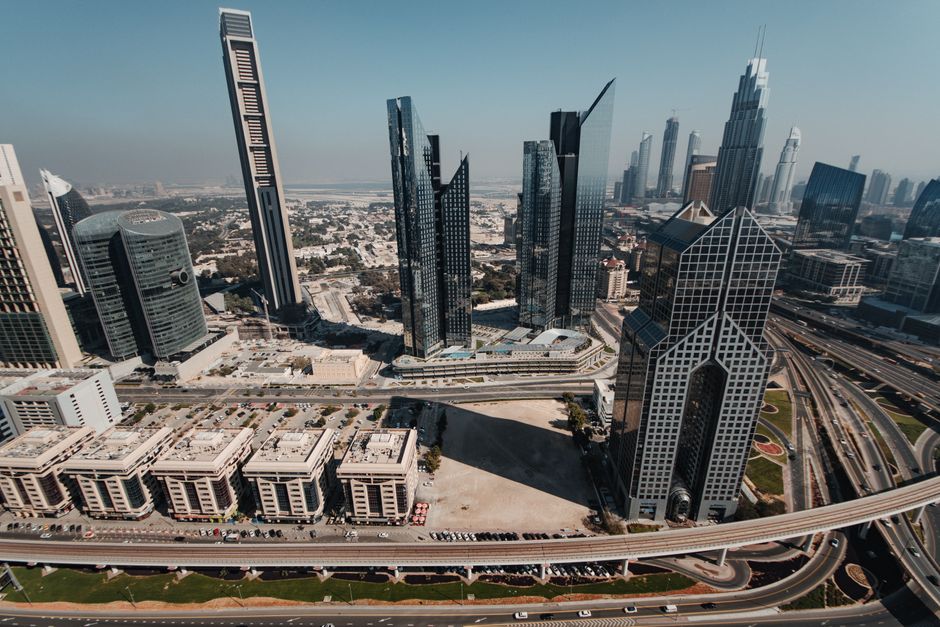
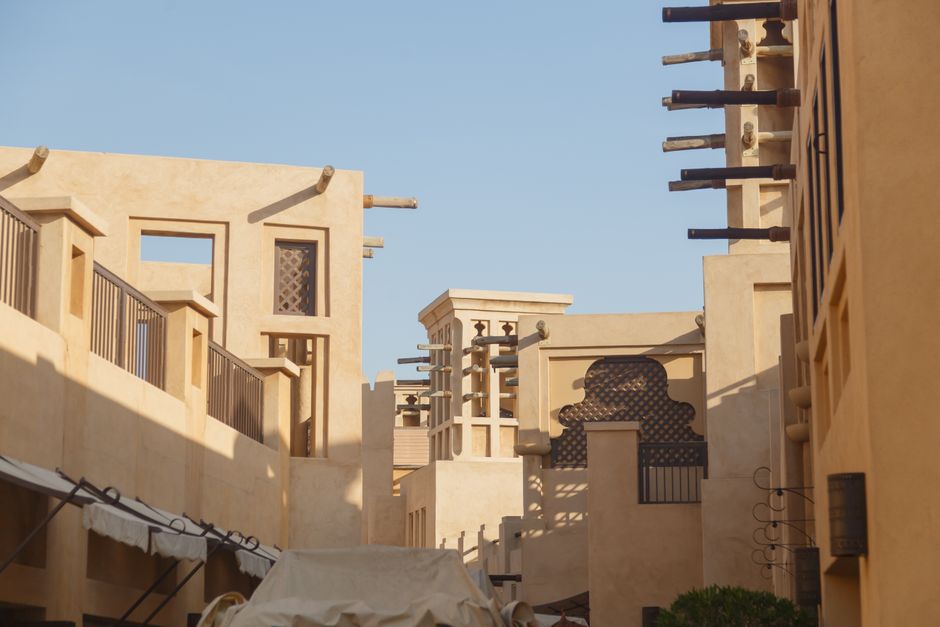
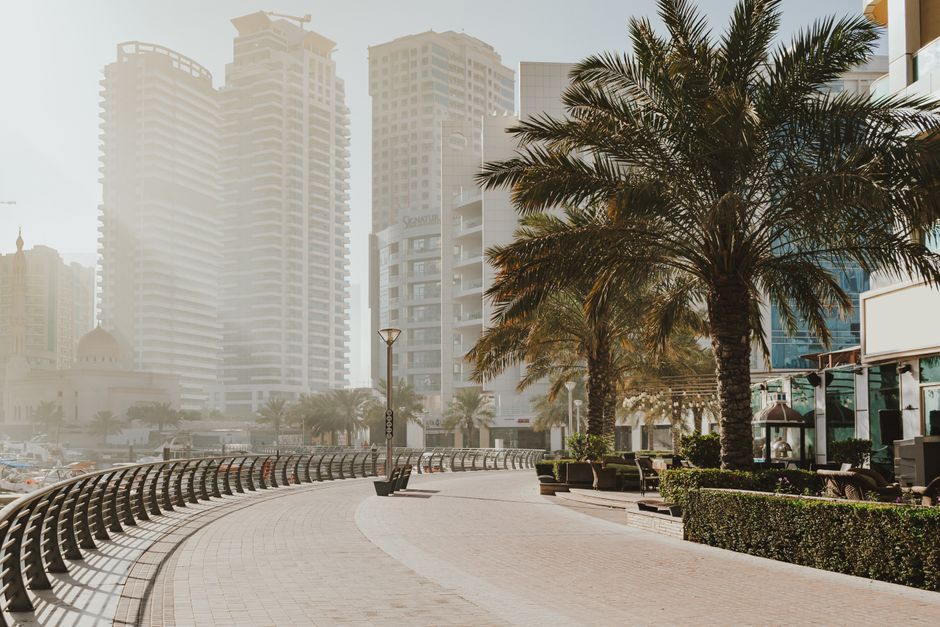
Walk down Al Wasl Road on a Friday morning, and you'll encounter something increasingly rare in Dubai: spontaneity. Independent coffee roasters sit next to vintage bookshops. Street art adorns warehouse walls. Families sprawl across café terraces while cyclists navigate the tree-lined pavements. This is Al Wasl—a neighbourhood undergoing a quiet but unmistakable transformation from overlooked residential pocket to the city's most compelling community hub.
Located between Sheikh Zayed Road and the Arabian Gulf, Al Wasl's appeal lies in what it isn't: it's not the polished marina developments of Downtown Dubai, nor the ultra-luxury enclaves of Emirates Hills. Instead, it's become a magnet for young entrepreneurs, artists, and families seeking a neighbourhood with actual character. Real estate data from the first half of 2026 shows rental prices averaging AED 180,000 annually for a two-bedroom villa—substantially lower than comparable properties in Jumeirah or Barsha Heights—making it genuinely accessible for Dubai's middle-class professionals.
The neighbourhood's cultural infrastructure has exploded. Alserkal Avenue, the sprawling arts district anchoring Al Wasl's identity, now hosts over 60 galleries, studios, and cultural venues. The monthly First Friday art walk attracts thousands. Meanwhile, newer openings—independent concept stores, sustainable fashion boutiques, and experimental dining spaces—cluster around Al Wasl Road itself, creating an ecosystem that feels organically developed rather than master-planned.
What distinguishes Al Wasl's community vibe is the deliberate informality. The Al Wasl Plaza development has become a genuine gathering space, not merely a shopping destination. Local organisations like the Al Wasl Community Centre run regular workshops, language classes, and social events that actively blend Dubai's diverse expatriate population. Unlike more transient neighbourhoods, residents here tend to stay longer, building genuine relationships and neighbourhood identity.
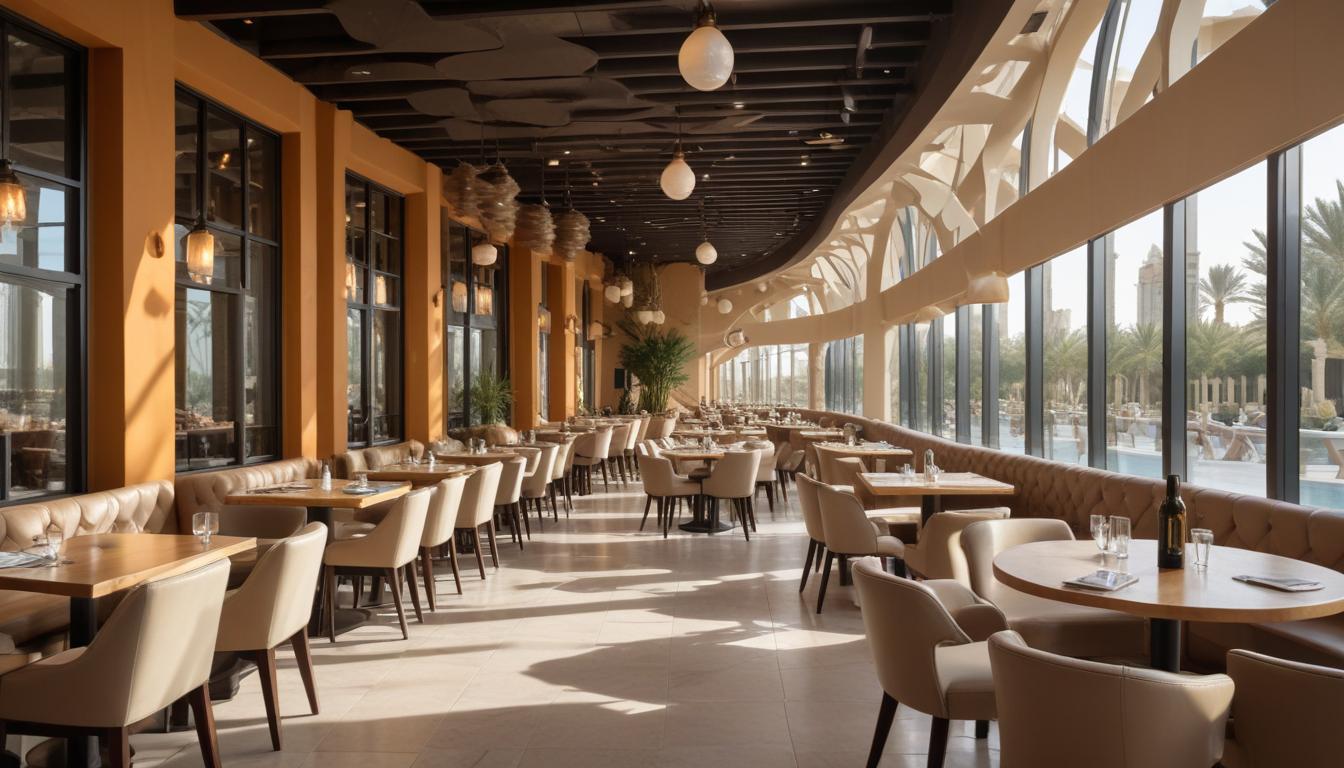
The food scene particularly reflects this authenticity. Established favourites share the streetscape with pop-up vendors and young chefs testing concepts. Japanese ramen joints operate beside Lebanese family restaurants. Food delivery platforms show Al Wasl among the city's top neighbourhoods for small, independent eateries rather than chain restaurants.
Peak summer heat aside, Al Wasl represents something Dubai's lifestyle conversation increasingly craves: a neighbourhood where permanence matters more than prestige, where community trumps consumption, and where the question isn't what brand you wear, but what you actually do with your time. For a city often characterised by transience, Al Wasl's emerging identity suggests that even Dubai's residents are searching for somewhere to genuinely belong.
This article was compiled by AI from the sources linked above and screened before publishing. See our editorial standards.