Five years ago, Deira was synonymous with passing through—a blur of gold souks, spice markets, and cramped accommodation for transient workers. Today, long-time residents and newcomers alike are staking permanent claims in the neighbourhood, drawn by a remarkable transformation that respects its layered past while building a genuinely liveable present.
The shift became undeniable in 2024 when the Deira Waterfront project began reshaping the creek-side promenade. The newly accessible Al Seef walkway—stretching across restored heritage buildings and green spaces—has become the neighbourhood's social spine. Families now gather here in cooler months, a stark contrast to the abandoned stretches of just three years prior. Property values have climbed accordingly, with rental apartments in restored heritage buildings commanding 15–20% premiums over comparable units in neighbouring areas.
But statistics don't capture why locals genuinely love the shift. The opening of independent cafés and cultural spaces along Al Fahidi Street—venues focused on community rather than footfall—has created gathering points missing from the sterile mall-centric model elsewhere in Dubai. The Deira Arts District initiative has transformed warehouse spaces into galleries and maker studios, attracting young professionals who previously commuted to Downtown or Dubai Marina.
Practical improvements matter too. The expanded metro connectivity from Deira City Centre station and improved pedestrian crossings on Baniyas Road have reduced the neighbourhood's former isolation. School options have multiplied—the district now has five international schools within a 3km radius—making family relocation genuinely viable rather than a compromise.
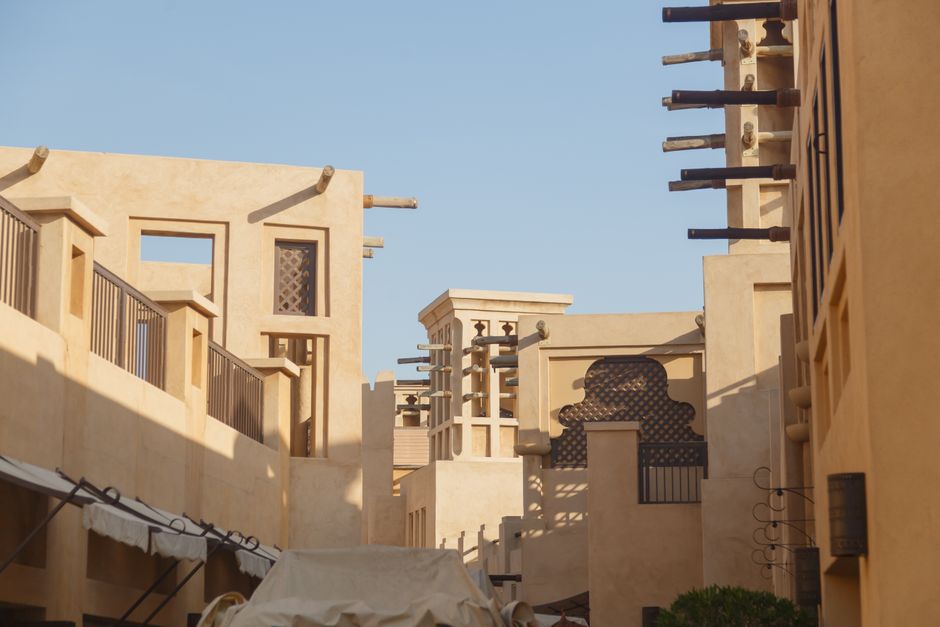
Perhaps most significantly, the neighbourhood's authenticity has become its strongest marketing asset in a city often criticised for sameness. The Spice Souk still functions as an actual marketplace for residents, not a photo opportunity. Traditional barasti wind-tower architecture coexists with thoughtfully designed new developments rather than blanket demolition. This preservation—driven by the Dubai Municipality's heritage conservation framework—has created a rare demographic: long-term residents who've chosen to stay, not those unable to afford departure.
Deira's transformation reflects a broader Dubai conversation about what sustainable city living means. The neighbourhood proves that heritage and modernity aren't opposing forces, and that authentic community spaces drive retention more effectively than amenity lists. For locals tired of commuting 45 minutes to beach clubs or questioning whether they truly belong anywhere in the city, Deira now offers something increasingly rare: the feeling of genuinely living somewhere, rather than temporarily occupying it.
This article was compiled by AI from the sources linked above and screened before publishing. See our editorial standards.