Walk down 12B Street in Al Wasl on a Friday morning, and you'll encounter a neighbourhood in the midst of subtle but unmistakable transformation. Where vintage villas once housed only families and the occasional small business, emerging art spaces, independent cafés, and wellness studios are quietly establishing themselves—creating what residents describe as Dubai's most authentic neighbourhood experience.
The shift began quietly around 2023, when rising rents in established creative hubs like Al Fahidi Historical District and Alserkal Avenue pushed independent operators to seek alternatives. Al Wasl, positioned strategically between Downtown and the Sheikh Zayed Road corridor, offered something rare in Dubai: affordable commercial space in a residential context. Today, the neighbourhood hosts a growing cluster of independent galleries, design studios, and community spaces that have fundamentally altered its character.
"What's different about Al Wasl is its organic growth," explains the community-focused approach taken by neighbourhood residents and business owners who have informally coordinated activations. Rather than developer-driven master-planning, change here emerges from grassroots initiative. Weekend art markets near the Al Wasl Park area have grown from occasional pop-ups to semi-regular community fixtures. Local wellness practitioners have converted villa spaces into yoga studios and meditation centres, while independent roasters have established themselves within the neighbourhood's residential fabric.
The numbers reflect this momentum. Property rental inquiries for commercial spaces in Al Wasl increased approximately 40 per cent year-over-year through 2025, according to local real estate observations. Monthly rents for small creative studios typically range from AED 2,500 to 4,500—substantially lower than comparable spaces in established creative zones, where costs exceed AED 7,000 monthly.
This evolution hasn't escaped municipal attention. Dubai Municipality has subtly enhanced infrastructure in recent months, including improved street lighting along 12B Street and enhanced pedestrian pathways near the neighbourhood's central commercial clusters. These incremental improvements signal official recognition of Al Wasl's emerging role.
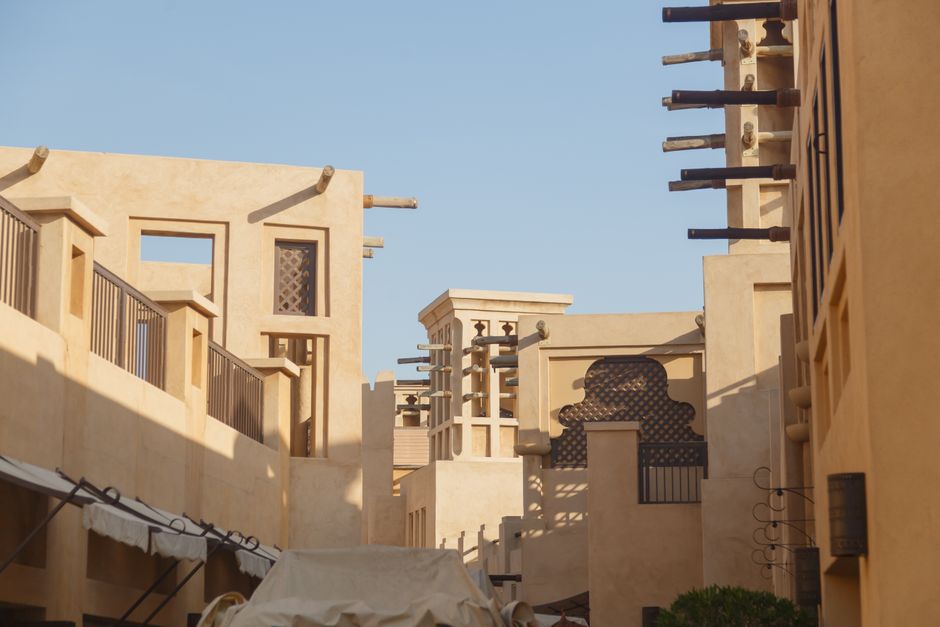
Importantly, the neighbourhood maintains its residential integrity. Unlike some Dubai transformations that obliterate existing character, Al Wasl's evolution respects its villa-based identity. Businesses operate within residential structures; commercial activity remains intimate rather than sprawling.
For Dubai's creative community and lifestyle-conscious residents seeking authenticity without pretension, Al Wasl represents something increasingly scarce: a neighbourhood genuinely in transition, shaped by community needs rather than corporate investment mandates. As more discover its potential, the question becomes whether Al Wasl can sustain its character while accommodating growth—a challenge the neighbourhood's residents are only beginning to address.
This article was compiled by AI from the sources linked above and screened before publishing. See our editorial standards.