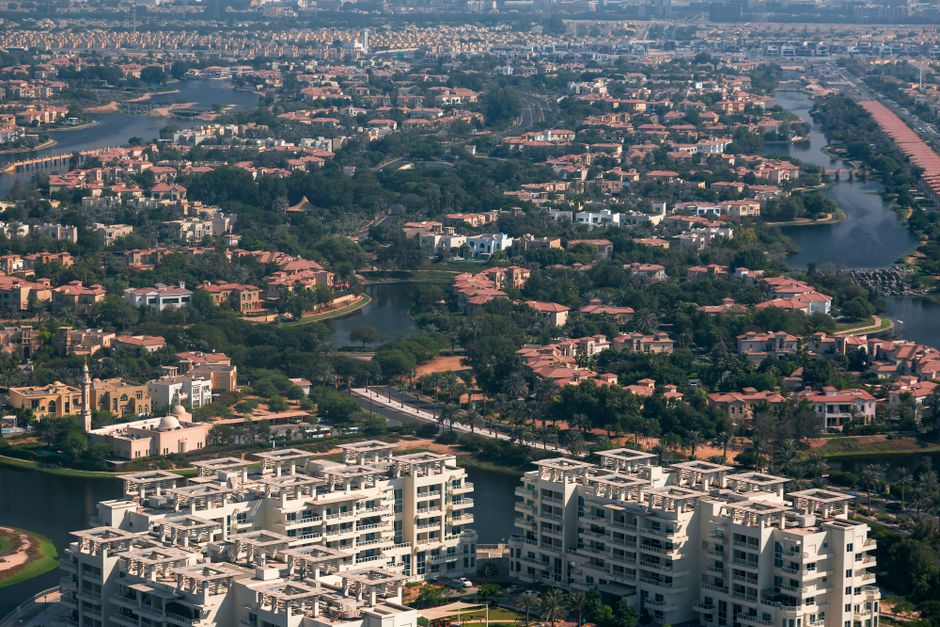
Walk through Arabian Ranches on a weekday afternoon and you'll witness something that defies Dubai's transient reputation: genuine neighbourhood life. Parents congregate at the sprawling parks along Street 3A, their children cycling between villas while impromptu playdates crystallise into lasting friendships. It's a pocket of suburban normalcy in a city often perceived as perpetually chasing the next skyrise.
Arabian Ranches, along with Emirates Living and The Meadows, has quietly become the backbone of Dubai's family lifestyle. These communities aren't just residential zones—they're ecosystems designed around the school run and weekend routines. The average villa here costs between AED 2.5 to 4 million, attracting established families seeking stability over novelty.
"The neighbourhood character here is built intentionally," explains one long-time resident, speaking on condition of anonymity. The master-planned layout encourages foot traffic. Community centres host everything from fitness classes to book clubs. The co-working spaces at Arabian Ranches retail strips have become informal meeting points where stay-at-home parents network.
Schools anchor these communities in ways other cities might not experience. With institutions like Raffles International School and GEMS Wellington Academy drawing families from across the emirate, school gates become genuine social hubs. Parents gather at nearby cafés along Meadows Street, discussing everything from tutoring recommendations to weekend hiking trips into the Hajar Mountains.
The vibe differs markedly from urban alternatives. Downtown Dubai and Marina living attracts younger professionals; Jumeirah appeals to the ultra-wealthy. But Arabian Ranches and similar family-forward communities have cultivated a distinctly different energy—one where children know their neighbours' names and weekend plans revolve around community events rather than mall visits.
WhatsApp groups organised by street or school year function as unofficial governance structures. Parents coordinate carpools, share recommendations for paediatricians and tuition centres, and organise collective outings to Zabeel Park or the Dubai Polo and Equestrian Club.
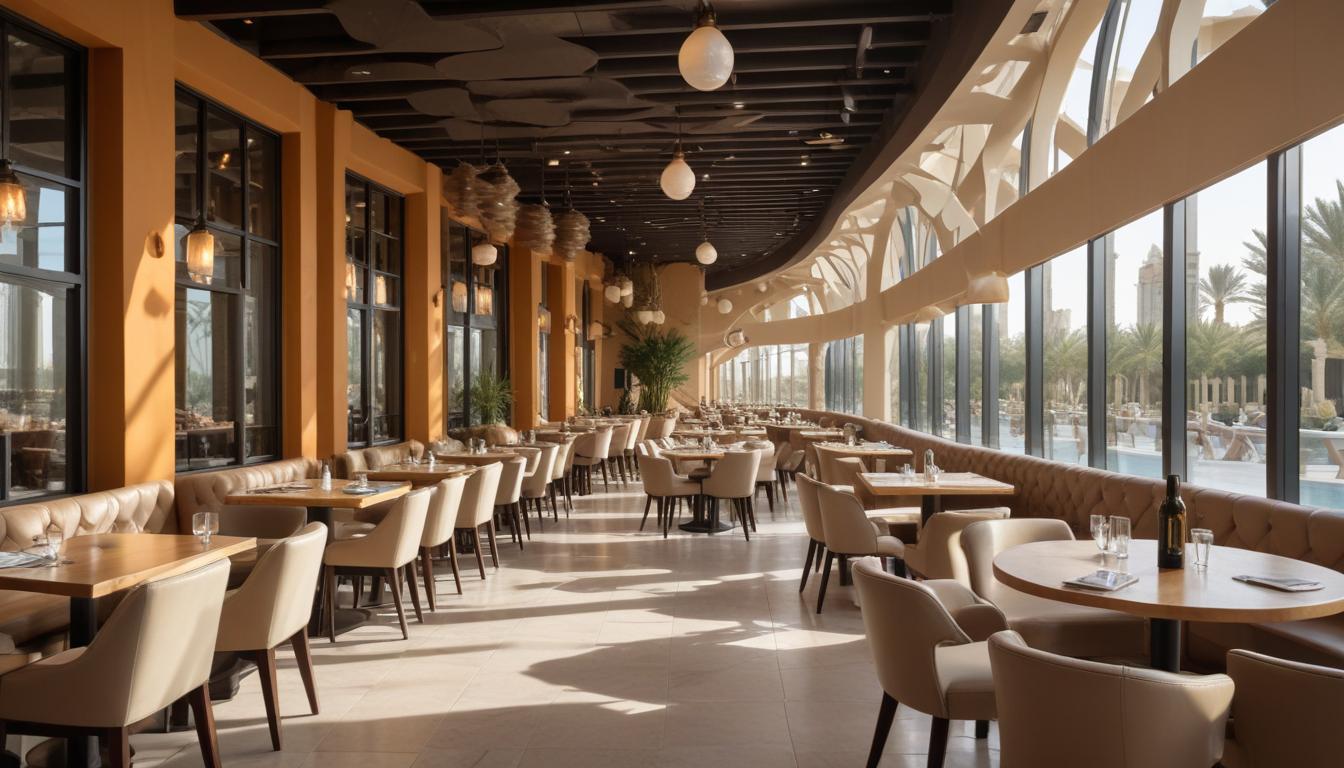
The commercial landscape supports this lifestyle. Neighbourhood retail strips feature family-friendly restaurants—nothing haute-cuisine, mostly casual spots where high chairs are standard. Organic grocers and independent bookshops thrive here in ways they struggle downtown.
What's remarkable is how these communities have evolved organically. Originally designed as lifestyle propositions, they've genuinely become places where people stay. The average resident tenure exceeds five years—substantial for Dubai. Children attend the same schools from kindergarten through secondary, growing up alongside consistent friend groups.
In a city perpetually reinventing itself, these neighbourhoods offer something counterintuitive: continuity. For families seeking to plant roots rather than chase spectacle, they've become invaluable. The real Dubai neighbourhood story isn't written in tourist brochures—it's lived on streets like those winding through Arabian Ranches, where community isn't a marketing concept but a daily reality.
This article was compiled by AI from the sources linked above and screened before publishing. See our editorial standards.