Moving to Dubai in 2026: The Real Cost, Access Points and Everything You Need to Know Before You Go
From visa fees to villa rentals in Emirates Hills, here's what relocating expats actually need to budget for in the UAE's most expensive emirate.
From visa fees to villa rentals in Emirates Hills, here's what relocating expats actually need to budget for in the UAE's most expensive emirate.
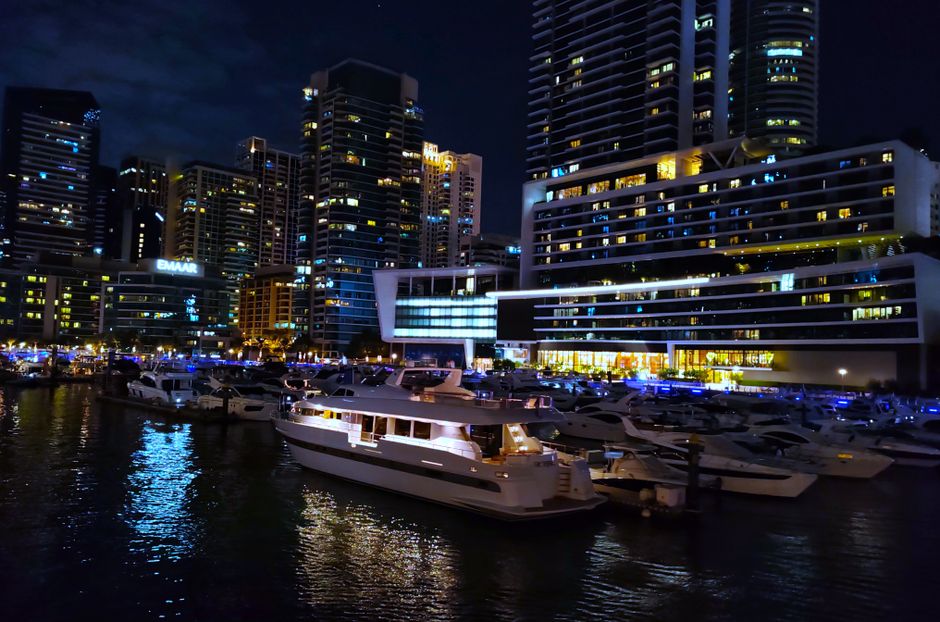
Dubai's skyline continues to draw ambitious professionals from across the globe, but the reality of relocating here demands careful financial planning. Whether you're eyeing a studio in Downtown Dubai or a villa in Arabian Ranches, understanding the true cost of living—and how to navigate the bureaucratic landscape—is essential before making the leap.
Visa and Initial Setup Costs
First, the bureaucracy. A UAE Golden Visa for 10 years (aimed at investors and professionals) starts at AED 10,000, though you'll need proof of employment or investment. A standard employment visa costs AED 500–1,000 through your employer, who typically covers this. Add health insurance (mandatory, around AED 1,000–3,000 annually for basic coverage) and Emirates ID processing (AED 100–200). The Department of Health and Safety in Dubai requires health screening; expect AED 300–500.
Accommodation: The Major Expense
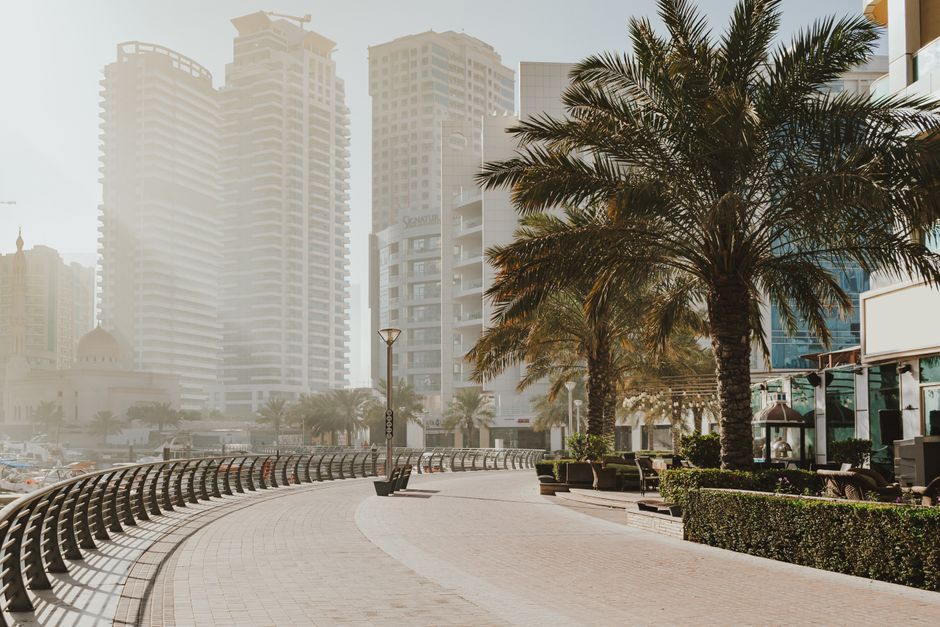
Housing consumes 25–35% of expat budgets. A one-bedroom apartment in Dubai Marina averages AED 4,500–6,500 monthly; Downtown Dubai runs slightly cheaper at AED 4,000–5,500. Jump to Palm Jumeirah or Emirates Hills, and you're looking at AED 8,000–15,000+ for three bedrooms. Villas in Arabian Ranches or Dubai Hills Estate start around AED 9,000–12,000. Most landlords demand 5% security deposit plus 5% agency fee (typically paid by tenant). Always use the Real Estate Regulatory Agency (RERA) portal to verify listings and register your tenancy contract—non-registered contracts aren't legally binding.
Daily Living and Hidden Costs
Groceries at Carrefour or Spinneys cost roughly 20% more than Western Europe. A meal at mid-range restaurants runs AED 40–80. Petrol sits around AED 1.50 per litre. Car ownership requires registration (AED 400–600 annually), insurance (AED 1,200–2,500 yearly), and parking permits in some areas. Public transport via the RTA metro is affordable at AED 2–11 per journey, making it a smart alternative.
Professional Setup
Opening a bank account requires a salary certificate, passport copy, and proof of residence. Most expats use FAB, Emirates NBD, or ADIB. Many employers offer relocation packages covering first month's rent and visa costs—negotiate this upfront. Join expatriate networks and professional groups through LinkedIn or the British Business Group UAE to ease your transition.
The Bottom Line
Budget minimum AED 8,000–12,000 monthly for a comfortable single lifestyle; families should plan for AED 15,000–25,000+. Negotiate with employers for housing allowances, and always register tenancy contracts. Dubai's expat infrastructure is mature—but moving smart beats moving fast.
This article was compiled by AI from the sources linked above and screened before publishing. See our editorial standards.
How does this story make you feel?
Spread the word
About this article
Published by The Daily Dubai
Daily brief
Free, in your inbox before 7am. Weekdays.
More in lifestyle