Affordable Living Dubai 2026: Expats' Guide to Cost Changes
Discover why Dubai expats are staying put in 2026. Explore affordable neighborhoods like Al Quoz, cheaper dining, and a slower pace reshaping expat life.
Discover why Dubai expats are staying put in 2026. Explore affordable neighborhoods like Al Quoz, cheaper dining, and a slower pace reshaping expat life.
If you're arriving in Dubai this summer, prepare to be pleasantly surprised. The glittering emirate that once epitomised relentless hustle and sky-high price tags has undergone a quiet transformation that's caught even seasoned residents off-guard. The Dubai of 2026 feels, well, liveable—and that's precisely why long-time expats are rediscovering their adopted home.
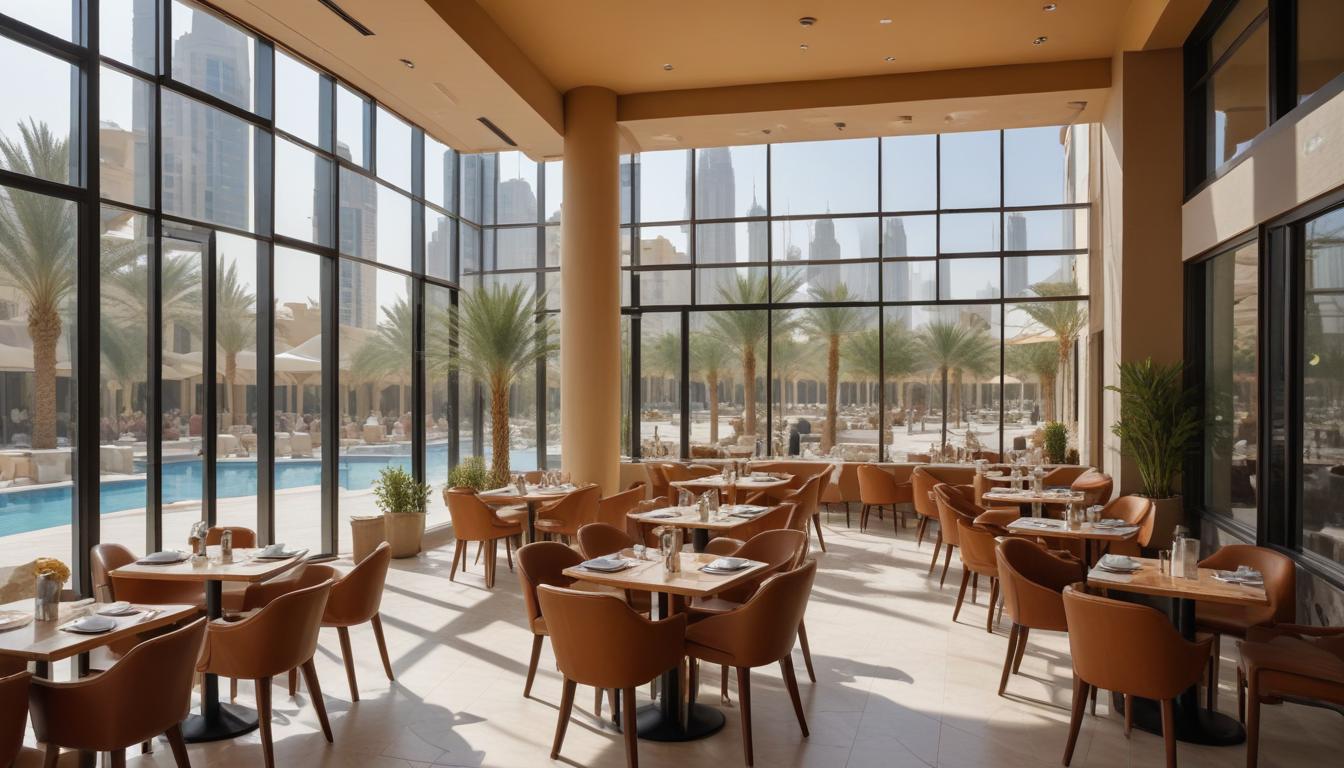
Start with the neighbourhoods. Al Quoz, once dismissed as an industrial backwater, has blossomed into a creative hub brimming with galleries, design studios, and casual eateries. A simple mezze dinner that cost 180 dirhams three years ago now runs 95–120 dirhams at neighbourhood spots like those dotting the Sheikh Zayed Road precinct and beyond. The shift reflects a broader cooling of Dubai's inflationary spiral. Rents in emerging areas like Mirdiff and International City have stabilised, with one-bedroom apartments hovering around 55,000–70,000 dirhams annually—a relief for mid-level professionals tired of Marina and Downtown premiums.
The pace has shifted too. Perhaps it's the post-pandemic recalibration, or simply maturity setting in, but Dubai's expat community has traded some ambition for authenticity. The thriving Beach Bars and casual dining scene along the Jumeirah coastline now coexist peacefully with a growing wellness culture—yoga studios and meditation spaces have sprouted across Arabian Ranches and Dubai Hills Estate. Coffee culture has evolved beyond chain outlets; independent cafés in Satwa and Business Bay now draw regulars seeking genuine community rather than Instagram moments.
Infrastructure improvements have been tangible. The expanded Dubai Metro Red and Green lines have reduced commute friction considerably. Families relocating here now weigh options in Jebel Ali and Nad Al Sheba differently, given connectivity improvements that barely existed five years ago. The Parks and Rec programme across Dubai Municipality zones has genuinely enhanced weekend leisure—authentic gathering spaces rather than shopping mall escapes.
What's genuinely shifted, though, is the cultural softening. Dubai's expat population has matured demographically. Long-term residents aren't chasing the next promotion or the flashiest villa anymore; they're seeking stability, community, and a life that extends beyond work. The emergence of neighbourhood WhatsApp groups, weekend hiking communities in Hatta, and volunteer-led initiatives speaks to an emirate finally comfortable enough to exhale.
For newcomers, this recalibration is golden. You're inheriting a city with fewer illusions and more substance—where quality of life isn't just a sales pitch but an observable reality. Dubai in 2026 isn't softer or less ambitious. It's simply more honest about what it offers: opportunity, yes, but also genuine livability. And locals, perhaps for the first time in a generation, genuinely believe that.
This article was compiled by AI from the sources linked above and screened before publishing. See our editorial standards.
How does this story make you feel?
Spread the word
About this article
Published by The Daily Dubai
Daily brief
Free, in your inbox before 7am. Weekdays.
More in lifestyle