Why Dubai's Neighbourhoods Defy the Global Urban Playbook
From purpose-built communities to hyper-diverse enclaves, Dubai's residential landscape rewrites the rules of modern city living.
From purpose-built communities to hyper-diverse enclaves, Dubai's residential landscape rewrites the rules of modern city living.
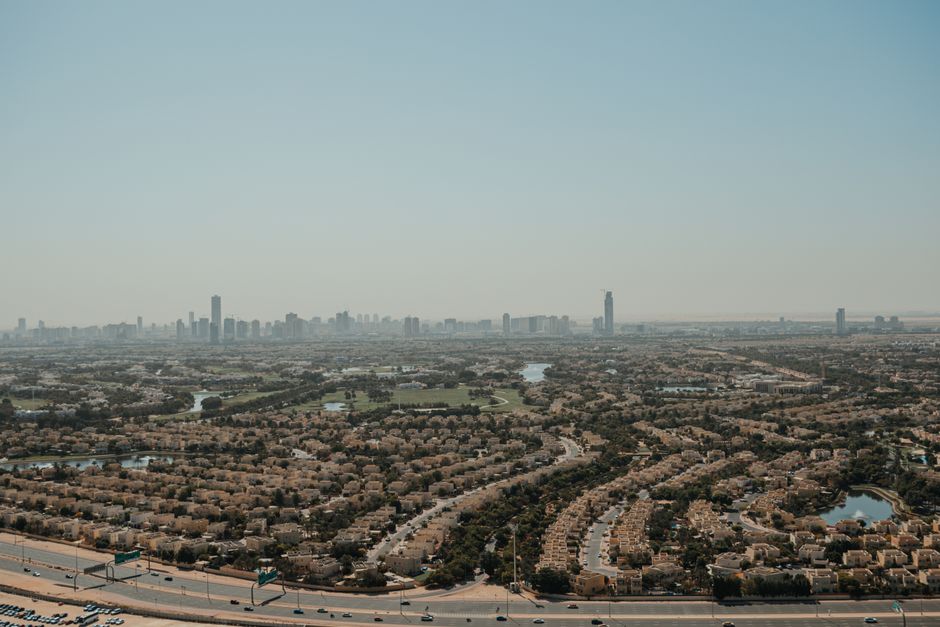
Walk through Dubai's neighbourhoods and you'll encounter something rare in global urbanism: cities designed entirely from scratch, where communities materialise not through centuries of organic growth but through coordinated master-planning. This fundamental difference shapes everything about how residents experience neighbourhood life here.
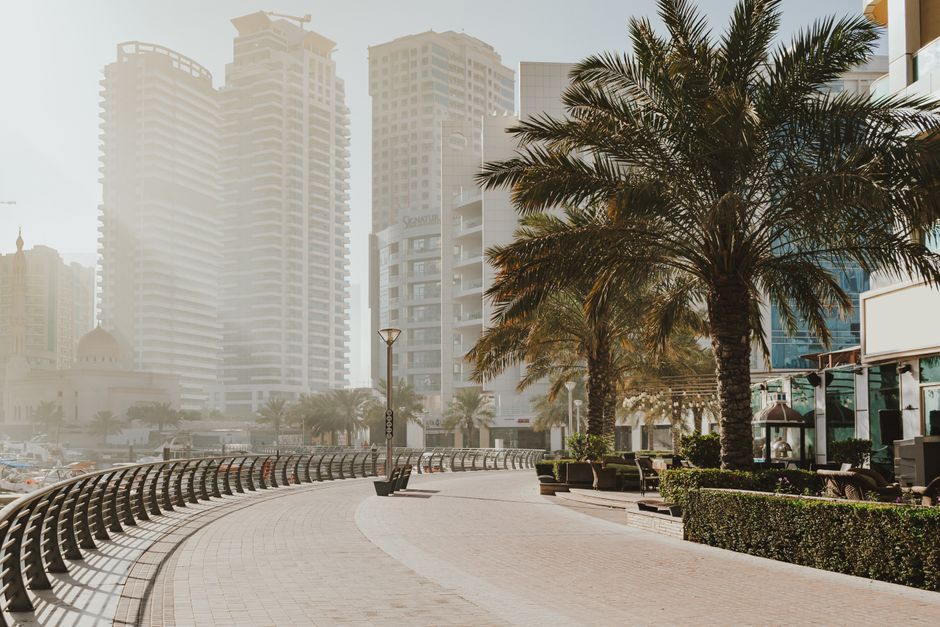
Take Downtown Dubai or the Palm Jumeirah—neighbourhoods that didn't exist 20 years ago now host tens of thousands. Compare this to Brooklyn or Barcelona, where gentrification transforms existing communities, or Tokyo's historic wards layered with decades of cultural sediment. Dubai's approach is distinctly transactional: neighbourhoods are built as integrated ecosystems with predetermined retail, residential, and leisure zones from day one.
What genuinely distinguishes Dubai's residential experience, however, is its unprecedented demographic diversity without traditional ethnic enclaves. In Jumeirah Lake Towers or Arabian Ranches, you'll find families from 150+ nationalities living in planned proximity. This isn't accidental—it's architectural. Unlike London's longstanding Chinatown or New York's Spanish Harlem, Dubai's communities are deliberately mixed from inception, creating what sociologists might call "engineered cosmopolitanism."
The lifestyle infrastructure reinforces this uniqueness. Most neighbourhoods bundle retail, dining, and wellness within 500 metres. The Dubai Mall connects directly to residential towers; Bluewaters Island wraps retail around residential high-rises; City Walk markets itself as "live, work, play" integration. This differs starkly from European cities, where residential areas traditionally separate from commercial districts, or sprawling American suburbs requiring car dependency.
Pricing also tells a story. A one-bedroom apartment in Downtown Dubai averages around AED 75,000-85,000 annually; Jumeirah commands premium prices reflecting beach proximity. Yet these figures remain competitive with global equivalents—cheaper than central London or Manhattan, yet offering infrastructure and amenities that rival premium Western addresses. This value proposition attracts a specific demographic: globally-minded professionals aged 25-45 seeking cosmopolitan living without legacy cost.
The community aspect functions differently too. Rather than neighbourhood associations rooted in shared history, Dubai's communities bond through shared amenities—clubhouses, gyms, pools, organised events. The Residents' Office manages community engagement systematically rather than organically. It's efficient but distinctly different from the spontaneous street culture of Paris or Madrid.
What makes Dubai genuinely unique isn't one element but their convergence: brand-new neighbourhoods, engineered diversity, integrated lifestyle design, competitive pricing, and systematic community management. No other global city combines these factors so thoroughly. Dubai doesn't grow neighbourhoods; it manufactures them—and residents, increasingly, are embracing this distinctive urban formula.
This article was compiled by AI from the sources linked above and screened before publishing. See our editorial standards.
How does this story make you feel?
Spread the word
About this article
Published by The Daily Dubai
Daily brief
Free, in your inbox before 7am. Weekdays.
More in lifestyle