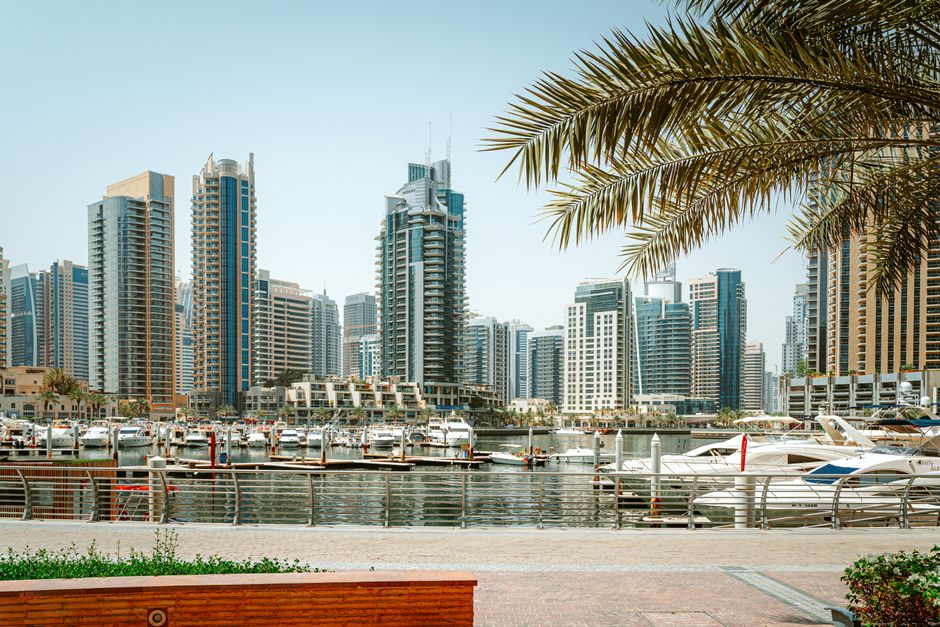
Walk through Downtown Dubai or the emerging tech precincts of Dubai South these days, and you'll notice something distinctly different from five years ago: the streets are quieter, more fragmented, and decidedly less car-dependent for short journeys. The evolution of last-mile commuting—that crucial 15-minute journey between metro stations, offices, and residential pockets—has become one of the city's most dynamic lifestyle shifts, driven by a confluence of regulatory push, climate consciousness, and sheer urban congestion.
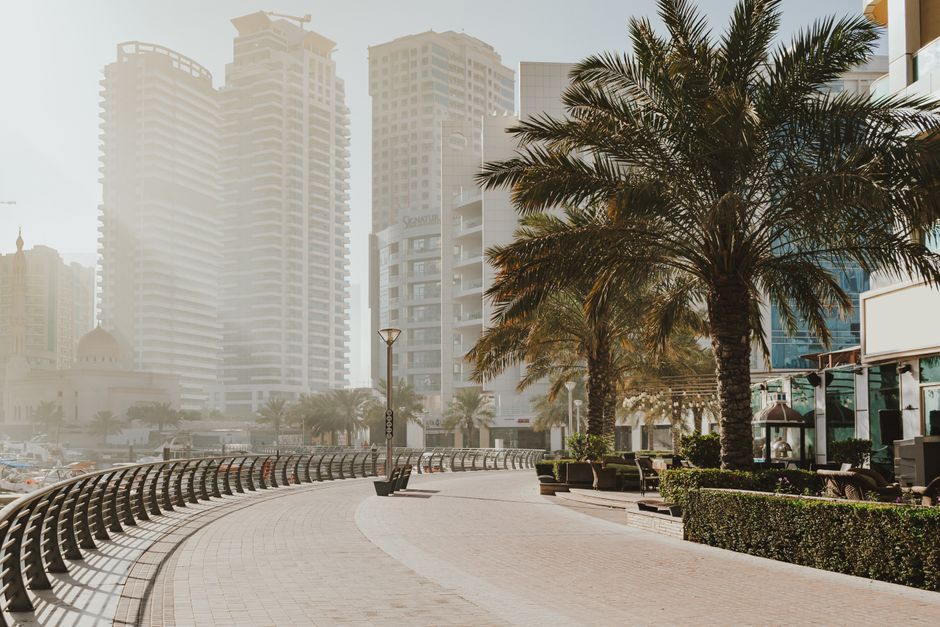
The numbers tell the story. Dubai's Roads and Transport Authority reported that micro-mobility trips across the emirate increased by 340 percent between 2021 and 2025, with e-scooter and e-bike adoption particularly concentrated in Business Bay, Jumeirah Lake Towers, and the Dubai Hills Estate corridor. What began as a niche amenity for tech-forward residents has matured into genuine infrastructure—designated scooter parks now punctuate Sheikh Zayed Road's pedestrian underpasses, while the Marina Walk has transformed into an unexpected hub for alternative transport users.
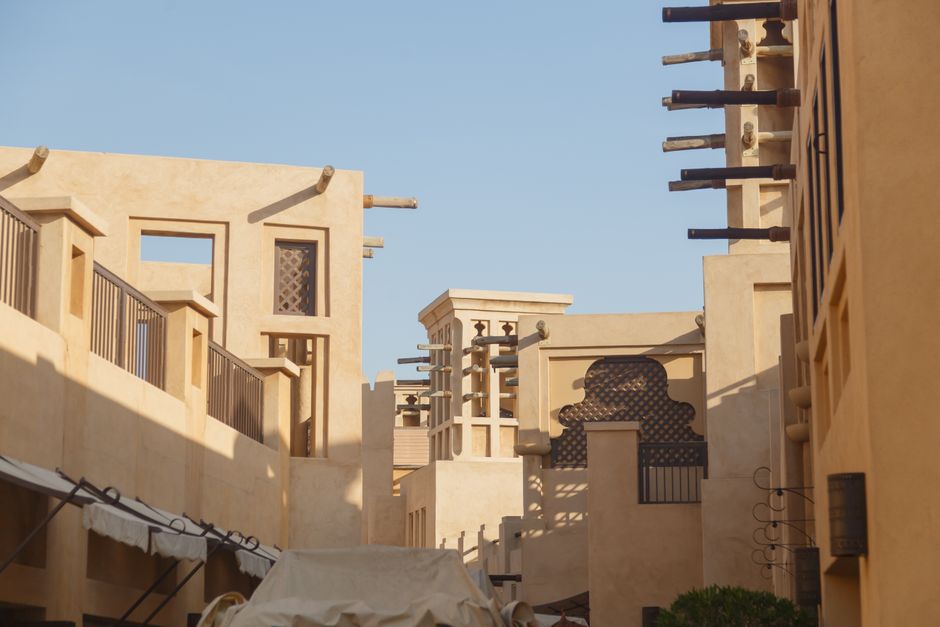
The shift extends beyond personal devices. Autonomous shuttle services now operate pilot routes connecting the Deira Waterfront development to Al Seef's heritage district, reducing what was once a 20-minute taxi ride to an 8-minute autonomous loop. Meanwhile, the RTA's expansion of the Nol card payment system into micro-mobility providers has created a genuinely integrated transport ecosystem—residents can now plan journeys that seamlessly combine metro, bus, bike-share, and e-scooter segments through a single app.
Real estate agents report that proximity to transport hubs has reshuffled neighbourhood hierarchies. Properties within 500 metres of RTA e-scooter stations command an estimated 12-15 percent premium in up-and-coming areas like Dubai South and Mirdif, while traditional car-dependent enclaves struggle with perception shifts. Parking spaces—once the ultimate currency of urban real estate—are being converted into green zones and retail micro-spaces at a pace unseen since the 2008 crash.
The cultural implications are equally profound. Morning commutes through Zahra Neighbourhood or around Al Manara now pulse with a different rhythm: joggers, scooter riders, cyclists, and pedestrians share space in ways that private cars once discouraged. Cafés along the new pedestrian corridors report 40 percent upticks in daytime foot traffic.
Yet challenges remain. Safety concerns linger, infrastructure gaps persist in peripheral neighbourhoods, and last-mile integration remains inconsistent. Still, Dubai's transport evolution reflects a city willing to question assumptions about mobility itself—a quality increasingly rare in global megacities.
This article was compiled by AI from the sources linked above and screened before publishing. See our editorial standards.