Your Neighbourhood Navigation Guide: How to Truly Explore Dubai's Most Liveable Districts
From hidden cafés in Al Fahidi to weekend markets in Jumeirah, here's how residents can unlock the authentic character of their chosen communities.
From hidden cafés in Al Fahidi to weekend markets in Jumeirah, here's how residents can unlock the authentic character of their chosen communities.
Dubai's reputation as a gleaming metropolis often overshadows its genuine neighbourhood appeal. Yet for residents willing to venture beyond the obvious attractions, the city's residential districts offer unexpected charm, community spaces, and local flavour that transform how you experience home.
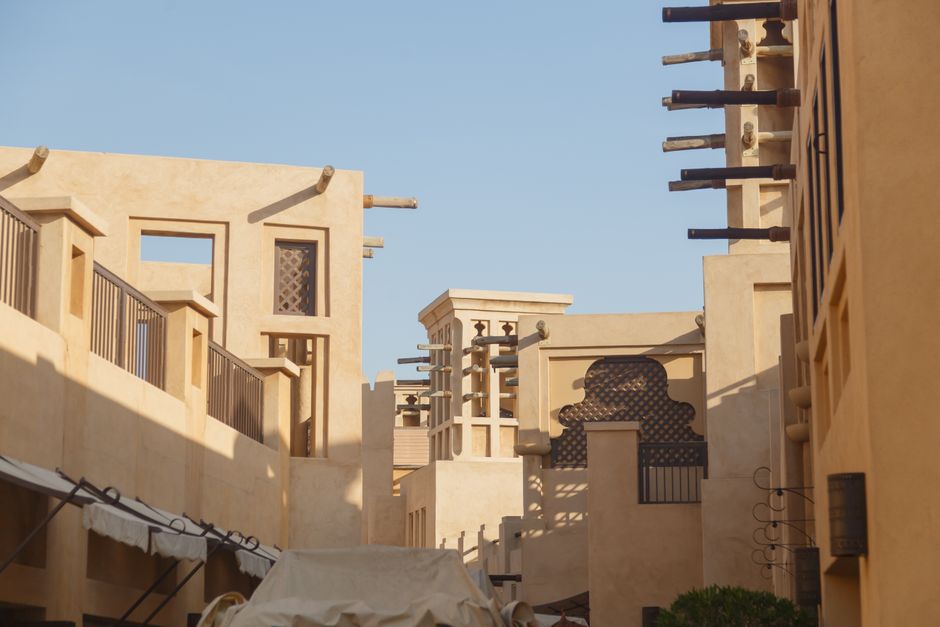
Start with Al Fahidi Historic District, where tree-lined streets and restored wind towers create an architectural sanctuary minutes from Downtown. Weekend wandering reveals independent galleries, heritage museums, and family-run restaurants tucked along narrow lanes. The district's weekly Al Fahidi Street Market (typically Friday mornings) showcases local artisans and craft vendors—a far cry from mall culture. Budget roughly AED 50-150 for casual dining in the area's established eateries.
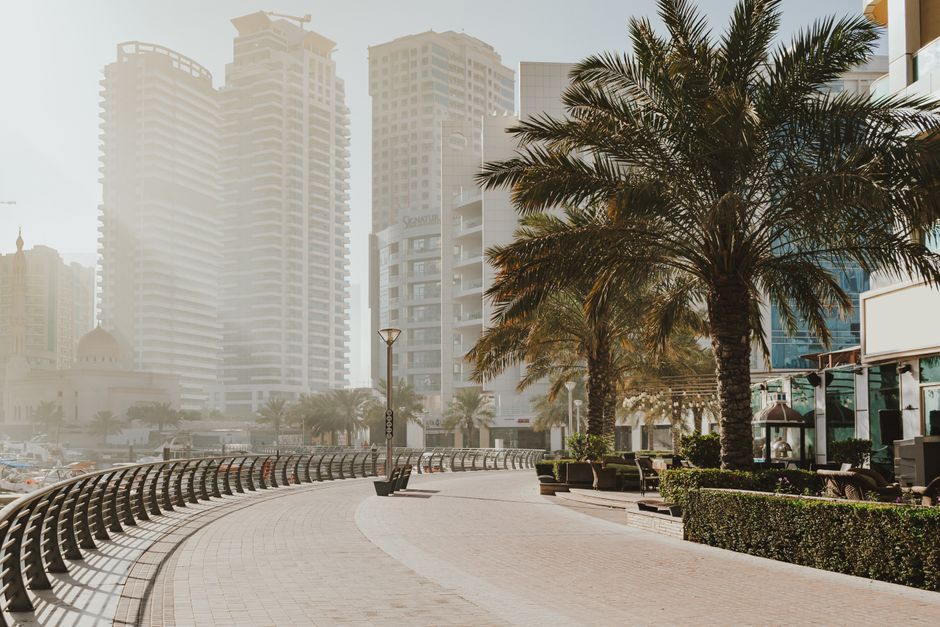
For community-focused living, Jumeirah offers accessible beach access and pedestrian-friendly avenues. The neighbourhood supports multiple cooperative initiatives and fitness groups. Jumeirah Open Beach remains free, while the weekly Friday morning Jumeirah Beach Farmers Market attracts residents seeking organic produce and prepared goods from local vendors. Monthly community clean-up initiatives organised through neighbourhood associations foster genuine connections among residents.
Satwa and Karama, traditionally known as affordable residential zones, have undergone subtle evolution. Independent bookshops, vintage furniture stores, and specialist cafés now sit alongside longstanding family businesses. These neighbourhoods retain genuine walkability—a rarity in Dubai. Shopping Street in Satwa remains surprisingly affordable for everyday essentials, while the neighbourhood's residential composition creates a multicultural, lived-in atmosphere.
Arabian Ranches and similar villa communities in southwest Dubai prioritise family infrastructure: parks, schools, and recreational facilities within neighbourhoods rather than sprawling across the city. Residents benefit from designated cycling paths, community centres hosting regular events, and the psychological benefit of defined boundaries that encourage local exploration.
Practical navigation requires understanding micro-communities. Download apps like WhatsApp neighbourhood groups—most residential areas maintain active community channels sharing recommendations, organising activities, and addressing local concerns. Engagement levels vary, but committed residents find these invaluable for discovering hidden spots and building social networks.
Visit neighbourhood co-working spaces and community cafés during daytime hours. These hubs reveal resident priorities and authentic gathering spots. Many areas now support monthly community festivals, charity runs, and skill-sharing workshops advertised through local channels rather than mainstream media.
The key to genuine neighbourhood appreciation isn't rushing through commercial hubs—it's investing time in residential streets, supporting independent businesses, and participating in community initiatives. Dubai's neighbourhoods reveal themselves gradually to curious, committed residents willing to slow down and engage authentically with their immediate surroundings.
This article was compiled by AI from the sources linked above and screened before publishing. See our editorial standards.
How does this story make you feel?
Spread the word
About this article
Published by The Daily Dubai
Daily brief
Free, in your inbox before 7am. Weekdays.
More in lifestyle