On a Thursday morning in the leafy compounds of Arabian Ranches, a cluster of parents gather in a modest villa garden. Their children—aged three to eight, speaking Arabic, English, Mandarin and Tagalog—collaborate on a science project about desert ecosystems. This scene, replicated across dozens of Dubai neighbourhoods, tells a story rarely captured in the glossy lifestyle narratives about the city's elite.
Dubai's parenting landscape has shifted dramatically. While private school fees continue climbing—ranging from AED 20,000 to AED 150,000 annually depending on the institution—a growing cohort of families are experimenting with alternative models. Community homeschooling networks, now estimated to involve over 2,000 families across the Emirates, have emerged as both practical necessity and conscious choice.
"What makes Dubai special for families isn't the shopping malls or the beach clubs," says one JBR resident who manages a WhatsApp collective of 40 families. "It's the diversity. Your child's classmate's parents might be from Kenya, India, Canada and Lebanon. That's an education no curriculum can replicate."
The pressure is real, though. International schools in premium zones like Downtown Dubai and Emirates Hills command waiting lists years long. Tuition fees rival London's top institutions. Yet alongside this exist pockets of genuine community-building: parent co-operatives in Jumeirah, bilingual playgroups in Deira, free weekend activities organised through the Dubai Municipality's family programmes.
Schools themselves are adapting. The emphasis on STEM education, mental health support, and cultural integration reflects how Dubai's family-oriented institutions now serve a population that's 88% expatriate. Teachers report managing classrooms where 15+ nationalities sit side-by-side—a complexity that demands both skill and patience.
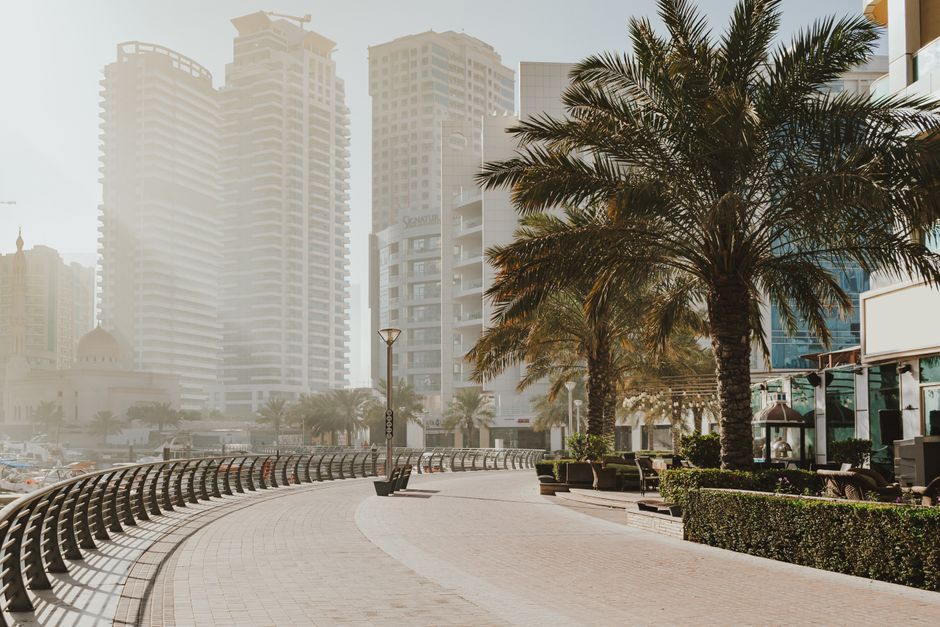
The real stories aren't about elite education or luxury lifestyles. They're about the single mother working in Dubai Marina who coordinates school runs with three other working parents. The Indian family in Bur Dubai maintaining traditional values while navigating international curricula. The British expat couple discovering that raising teenagers in this city means constant negotiation between Western independence and Eastern community values.
What makes these faces special is their resilience and creativity. They're not just surviving Dubai's demanding lifestyle—they're actively crafting something distinctive. In neighborhoods from Satwa to Mirdif, from Al Manara to Dubai Sports City, families are writing their own stories about what childhood means here.
That's the real Dubai story: not the superlatives, but the people.
This article was compiled by AI from the sources linked above and screened before publishing. See our editorial standards.