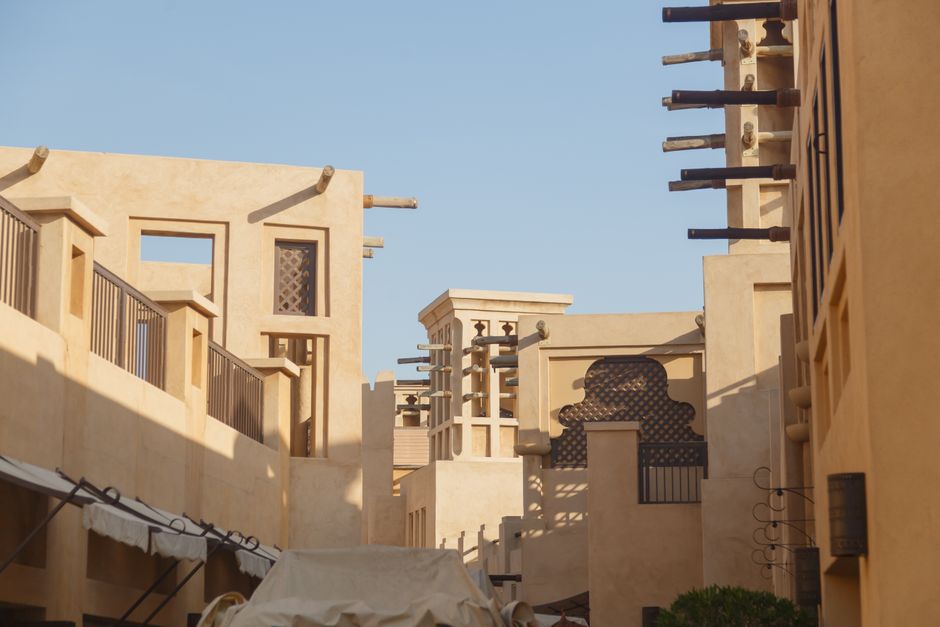
Walk through the narrow lanes of the Gold Souk on any weekday morning, and you'll encounter Rajesh, a third-generation jeweller whose family has operated the same shop for 47 years. His hands move with practised precision as he polishes an intricate bangle, each gesture refined by decades spent among the glittering corridors of Al Fahidi. "People come for gold," he says, gesturing around his modest stall, "but they stay for the stories." This sentiment captures something essential about Dubai's traditional shopping markets—spaces where commercial transaction transcends mere economics and becomes deeply personal.
The city's souks remain remarkably resilient. Recent foot-traffic data suggests that heritage shopping districts like Bur Dubai draw approximately 12 million visitors annually, with local merchants accounting for roughly 60 per cent of active traders. Yet behind these statistics are individuals: entrepreneurs like Fatima, who relocated her family's textile business from the Textile Souk to a modest corner near the Spice Souk in 2018, now employing five local staff members and supplying specialty fabrics to designers across the Emirates.
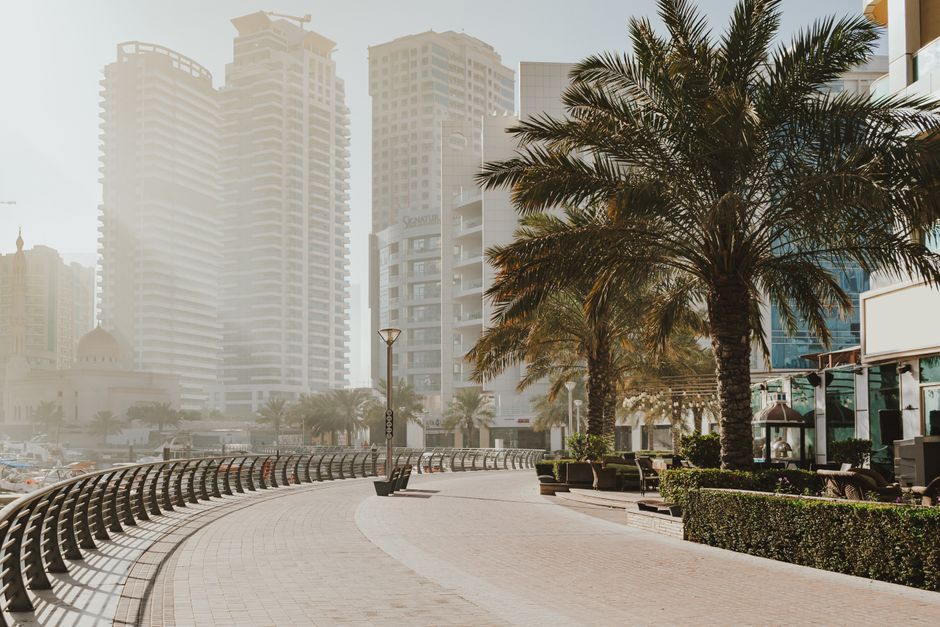
The retail ecosystem extends beyond heritage zones. In emerging neighbourhoods like Al Quoz and Jumeirah, independent vintage dealers and artisanal pop-ups have created a thriving subculture. Marina Collective, a rotating market space that operates monthly near Jumeriah Beach Park, has become a gathering point for over 80 small-scale retailers—many of them young Emiratis and long-term expatriates reclaiming retail on their own terms.
What distinguishes these spaces from Dubai's sprawling mega-malls isn't merely nostalgia. It's the relational architecture of commerce. At the Deira Covered Souk, regulars develop years-long relationships with shopkeepers who remember their preferences, offer credit during lean months, and serve as informal community anchors. These aren't transactional relationships; they're social contracts.
The human dimension becomes particularly visible during seasonal shifts. Ramadan transforms the souks into something transcendent—extended evening hours, special promotions, and an almost ceremonial atmosphere where buying becomes secondary to communal experience. Merchants report spending as much time serving complimentary dates and Arabic coffee as processing transactions.
Dubai's shopping narrative frequently centres on architectural grandeur and consumption volumes. Yet the city's most resilient retail spaces tell a different story—one of patience, relationship-building, and the quiet persistence of individuals who've chosen to build their lives here. In an era of algorithm-driven commerce, these human-scaled markets offer something increasingly rare: the chance to know, not just the product, but the person who's stewarding it.
This article was compiled by AI from the sources linked above and screened before publishing. See our editorial standards.