Moving to Dubai? Here's What Long-Time Residents Actually Wish They'd Known
Beyond the glossy property brochures, expats navigating the emirate's relocation maze share candid advice on neighborhoods, budgets, and beating the learning curve.
Beyond the glossy property brochures, expats navigating the emirate's relocation maze share candid advice on neighborhoods, budgets, and beating the learning curve.
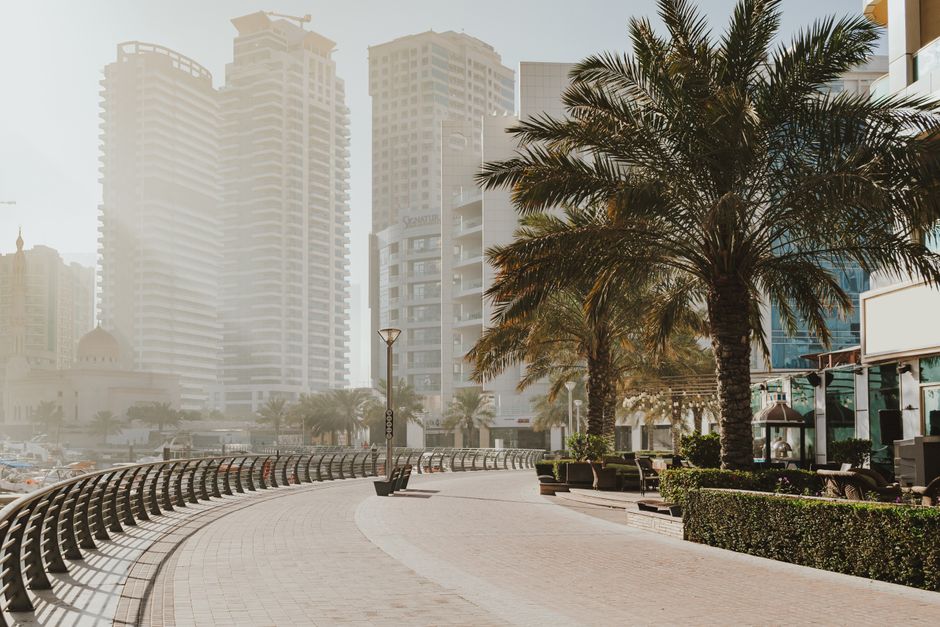
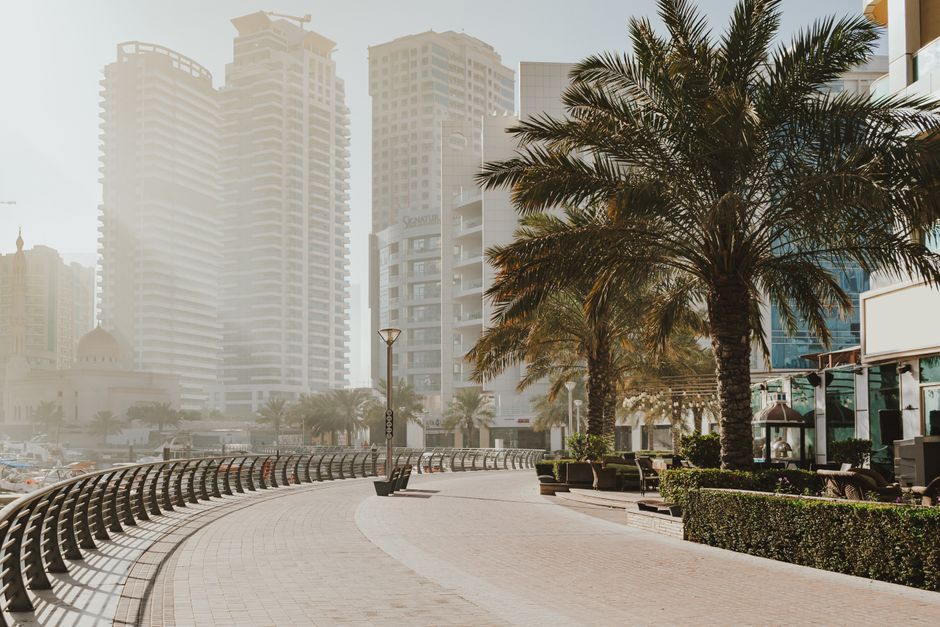
Dubai's expat population hovers around 88 percent of the total demographic—a figure that tells you everything about the city's role as a global hub. Yet newcomers routinely admit: nothing quite prepares you for the reality of settling here. We spoke with residents across various tenures to extract the wisdom they wish they'd absorbed before unpacking boxes in Marina towers or villas in Arabian Ranches.
"Budget for transport realistically," advises one long-term Jumeirah resident. "People assume because Dubai looks compact from above that distances are manageable. They're not." The Salik toll system charges 4 AED per trip during peak hours on major routes like Sheikh Zayed Road, accumulating quickly for daily commuters. Many locals recommend either choosing proximity carefully between home and workplace, or factoring in 800-1,200 AED monthly for tolls alone. The metro, while cleaner and cheaper, requires 15-30 minute walks at either end for most residential areas.
Neighbourhood selection deserves more than Instagram research. Downtown Dubai and Business Bay offer walkability and proximity to restaurants and gyms, but carry premium rents averaging 4,500-6,500 AED monthly for one-bedroom apartments. More established expats increasingly suggest Deira or Al Baraha for authentic living at 2,500-3,500 AED, though amenity expectations differ markedly. "You're trading convenience for community," one 12-year resident notes. "Some people thrive there; others find the adjustment jarring."
Healthcare clarity matters before arrival. Expat health insurance typically costs 1,200-3,000 AED annually but covers only private hospitals like American Hospital Dubai or Medicana. Government facilities require UAE national ID. Sort this immediately upon employment—delays create nightmares during emergencies. Similarly, establish your Emirate ID and labour card within weeks; bureaucratic hold-ups ripple across banking, rental, and schooling applications.
The summer reality merits blunt honesty. June through August temperatures exceed 48°C regularly; outdoor activity becomes nearly impossible. Long-timers universally recommend planning extended leave or adjusting expectations around outdoor socialising during these months. Beach clubs and water sports shift to winter-focused calendars.
Finally, locals emphasise flexible expectations around timelines. Securing apartments, registering children in schools, and completing administrative processes routinely extend 30-40 percent longer than initial estimates. Building resilience and maintaining good humour—not least with customer service interactions—ranks highest on any practical relocation checklist.
This article was compiled by AI from the sources linked above and screened before publishing. See our editorial standards.
How does this story make you feel?
Spread the word
About this article
Published by The Daily Dubai
Daily brief
Free, in your inbox before 7am. Weekdays.
More in lifestyle