Why Dubai's Weekend Escape Culture Stands Apart from Global City Rivals
From desert safaris to ultra-modern beach clubs, this emirate has engineered a leisure experience that few global cities can replicate.
From desert safaris to ultra-modern beach clubs, this emirate has engineered a leisure experience that few global cities can replicate.
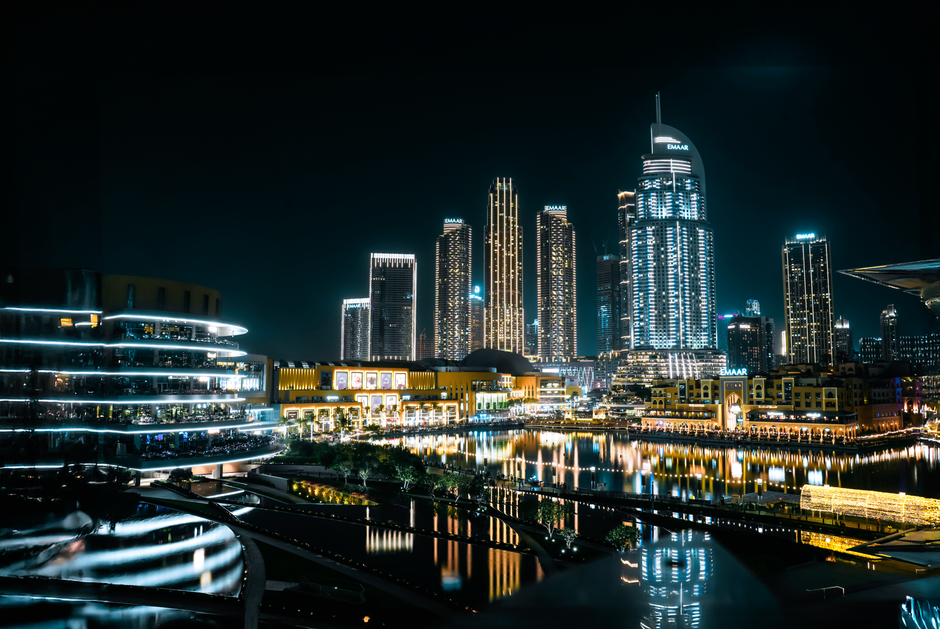
Ask a resident of London, New York, or Singapore what their weekend looks like, and you'll hear about restaurants, museums, and parks. Ask a Dublander the same question, and the answer is invariably more ambitious: desert dunes by sunrise, followed by a sunset yacht cruise, then dinner in a skyscraper overlooking the Arabian Gulf.
What makes Dubai's weekend leisure culture genuinely distinct isn't simply abundance—it's the sheer geographic and experiential compression. Within 45 minutes of leaving Downtown Dubai's gleaming towers, you're navigating genuine desert terrain on a 4x4 safari, something Manhattan or London simply cannot offer within their metropolitan boundaries. The Hajar Mountains rise behind the city. The Arabian Gulf stretches before it. The vast Rub' al Khali desert expands beyond.
This three-ecosystem advantage creates a weekend flexibility unmatched elsewhere. A Saturday morning might begin at Kite Beach in Jumeirah, where the sports scene rivals anywhere globally, before pivoting to the tranquil oasis villages of Hatta Wadi Hub—just 90 minutes inland—where zip-lining, paddle-boarding, and mountain biking feel utterly removed from the metropolis.
The leisure infrastructure amplifies this uniqueness. While Barcelona has beaches and mountains separately, and Dubai has comparable offerings, few cities have weaponized their geography quite so effectively. The Palm Jumeirah and World Islands represent a level of engineered leisure real estate that simply doesn't exist elsewhere. A weekend brunch at Nobu in DIFC or Atlantis The Royal delivers five-star dining at scale; the emirate hosts over 1,400 restaurants, many clustered in precincts like Creekside in Dubai Downtown or the emerging dining quarter at Arabian Ranches.
Perhaps most distinctively, Dubai has normalized luxury day-tripping. A visit to the Burj Khalifa observation deck—averaging 1.94 million annual visitors—remains more accessible in terms of convenience than similar global attractions. Dune bashing tours cost from approximately 150 to 300 AED per person. A private yacht charter runs 3,000 to 8,000 AED. These aren't cheaper than global counterparts, but they're standardized, available, and part of the city's cultural weekend rhythm in ways they aren't elsewhere.
The climate presents another peculiarity: Dubai's weekend culture has essentially shifted outdoors during cooler months (November through April) and indoors during summer. This seasonal flexibility means visitors discover entirely different leisure modes depending on visit timing—something cities with consistent weather don't experience.
Finally, Dubai's weekend culture is deliberately curated toward international audiences. English signage, global hospitality standards, and 24-hour accessibility make leisure participation frictionless for visitors. This cosmopolitan infrastructure, combined with the geographic advantages, creates an ecosystem of weekend possibility that remains genuinely singular in the global urban landscape.
This article was compiled by AI from the sources linked above and screened before publishing. See our editorial standards.
How does this story make you feel?
Spread the word
About this article
Published by The Daily Dubai
Daily brief
Free, in your inbox before 7am. Weekdays.
More in lifestyle