Walk through the Gold Souk on a Thursday evening, and you'll encounter something increasingly rare in the world's shopping capitals: a marketplace that functions exactly as it has for generations, yet seamlessly coexists with the gleaming malls surrounding it. This peculiar balance—where a vendor can close shop and walk five minutes to a climate-controlled luxury atrium—defines what makes Dubai's retail landscape fundamentally different from Paris, New York, or Singapore.
The Deira Gold Souk alone trades approximately 10 tonnes of gold daily, according to industry figures, making it one of the world's largest markets for the precious metal. But its real distinction isn't the volume; it's how this 1970s-era marketplace remains utterly unmoved by global retail trends. There's no Instagram influencer aesthetic here, no carefully curated minimalism. Instead, you'll find roughly 300 retailers operating in a maze of narrow corridors where haggling remains not just acceptable but expected, and where prices fluctuate based on real-time global spot rates displayed on handwritten boards.
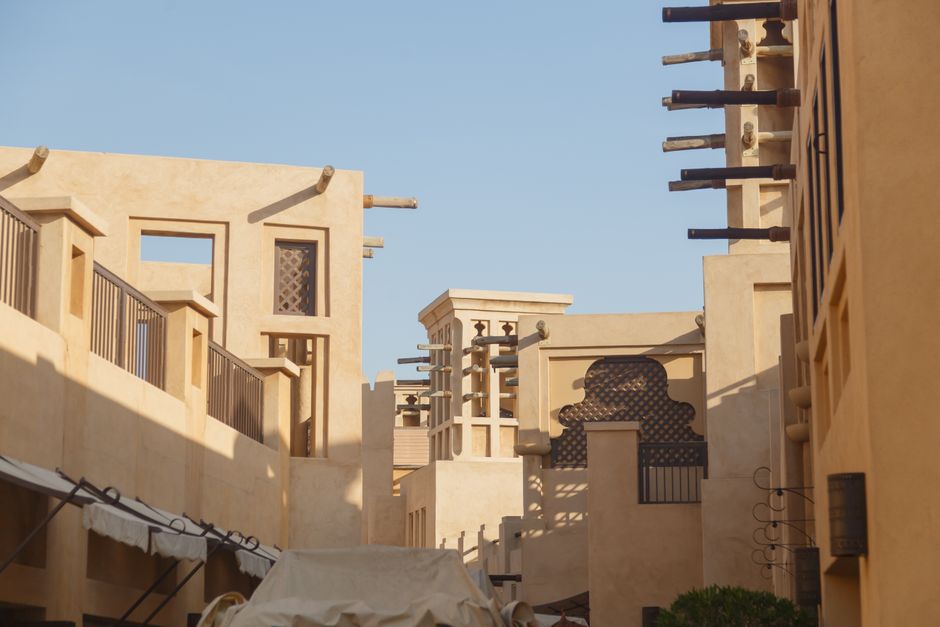
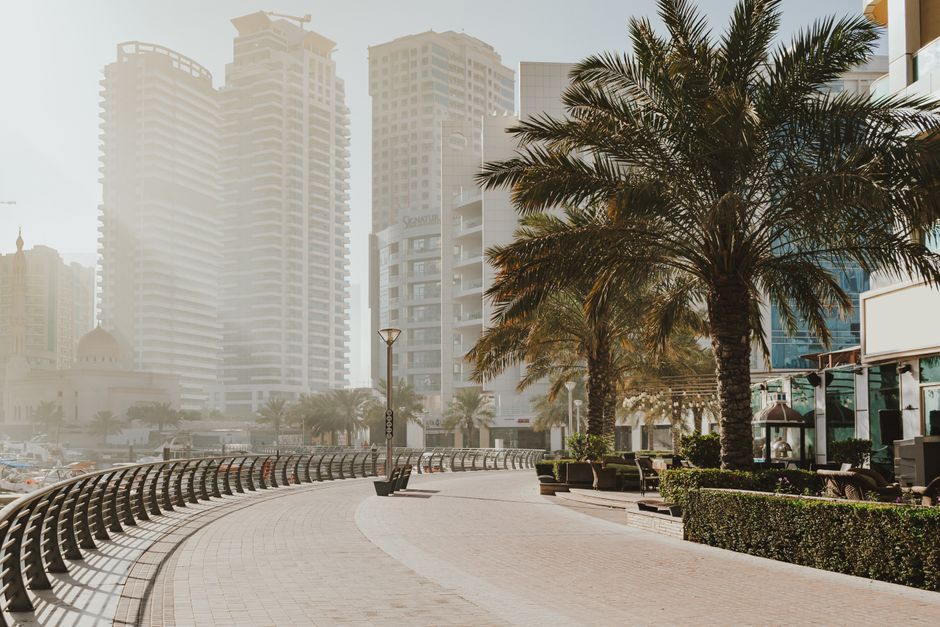
Compare this to the sterile efficiency of Harrods or the algorithmic precision of Amazon, and Dubai's hybrid approach becomes striking. The city refuses to choose between heritage and hypermodernity. The Spice Souk operates metres away from the Dubai Mall. The Textile Souk shares Old Town heritage with Al Fahidi's renovated warehouses, now home to independent designers, vintage boutiques, and artisanal studios that have transformed former merchant quarters into creative hubs without erasing their original character.
This coexistence extends to pricing democracy. A designer abaya costs 800 dirhams at the Boulevard in Emaar Beachfront, yet you'll find similar-quality pieces at negotiable rates in the traditional souks. That pricing flexibility—where commerce remains relational rather than fixed—distinguishes Dubai from standardised global retail chains where a Zara dress costs the same in every timezone.
The city's positioning as a crossroads also differentiates its markets. Retailers in the Gold Souk serve customers from across the GCC, South Asia, and Africa simultaneously, meaning inventory reflects genuinely diverse tastes rather than a single market's preferences. You won't find this global-yet-local merchandise mix replicated so visibly in Manhattan or London, where retail tends toward singular cultural narratives.
Dubai's retail uniqueness ultimately rests on refusing exclusivity—both the geographic kind and the philosophical kind. Markets remain accessible to everyone, haggling remains alive, and tradition operates profitably alongside innovation. That's increasingly rare in cities where shopping has become either purely experiential theatre or purely transactional convenience. Dubai chose both.
This article was compiled by AI from the sources linked above and screened before publishing. See our editorial standards.