From Moving Boxes to City Explorer: Your Practical Guide to Making Dubai Feel Like Home
New to the emirate? Here's how to navigate neighbourhoods, master transport, and unlock the lifestyle experiences that make Dubai worth the move.
New to the emirate? Here's how to navigate neighbourhoods, master transport, and unlock the lifestyle experiences that make Dubai worth the move.
The paperwork is done. Your belongings have arrived. Now comes the rewarding part: actually discovering why you moved to Dubai in the first place. Whether you've landed in a villa in Arabian Ranches or a Downtown apartment, the next few weeks will shape how you experience this sprawling city of 3.6 million people.
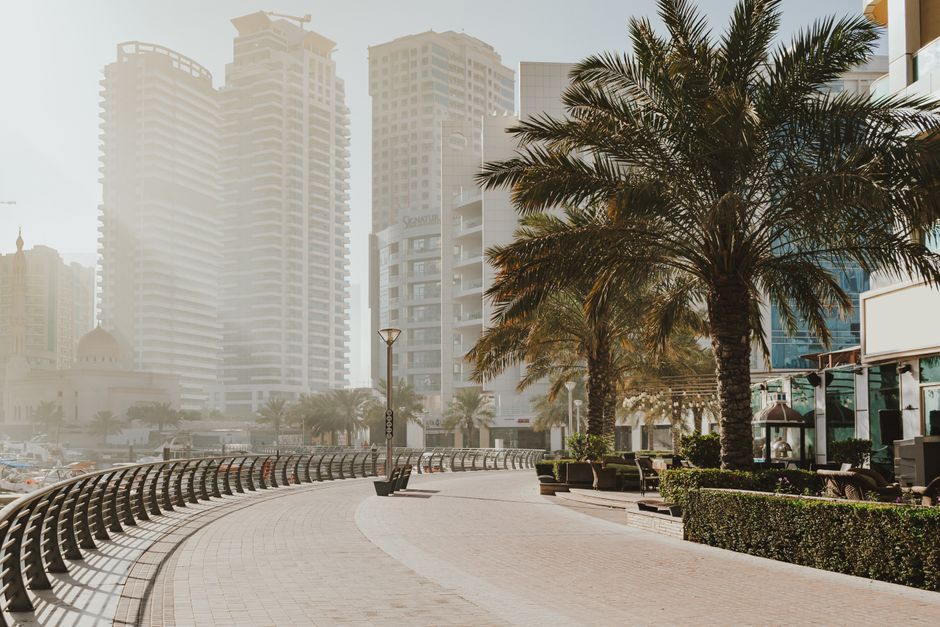
Start with geography. Dubai's neighbourhoods are distinct ecosystems, and choosing where to spend your time matters. Dubai Marina offers waterfront dining and nightlife within walking distance, while Al Fahidi's historic lanes provide authentic cultural immersion just minutes away. Business Bay caters to young professionals with trendy cafés, while Jumeirah appeals to families with beach access. Download the Careem or Uber apps immediately—taxis exist, but rideshares are more reliable and typically cost 15–35 AED for short trips within central Dubai.
Public transport is underrated. The Metro's Red and Green lines cover major routes efficiently, costing 2.75 AED per journey with a Nol Card available at any station. The bus network extends to quieter areas the Metro doesn't reach. This infrastructure matters: many newcomers who initially rely on cars discover they rarely need them for central Dubai activities.
Invest time in practical essentials before leisure. Register with DEWA (Dubai Electricity and Water Authority) for utilities, open a bank account—most expats use FAB or Emirates NBD—and obtain a health insurance plan. The UAE requires valid coverage; private options range from 2,500–6,000 AED annually for standard plans. Visit the GDRFA (General Directorate of Residency and Foreigners Affairs) website to understand visa extension requirements early.
Once logistics are settled, explore methodically. Spend a weekend walking the Deira spice markets and Gold Souk, where haggling is expected and cultural exchange happens naturally. Weekend brunch is a Dubai institution; restaurants across the city offer Friday and Saturday brunches (typically 12–3pm) ranging from 150–400 AED per person, often with unlimited beverages.
Build community intentionally. LinkedIn expat groups, Meetup apps, and neighbourhood Facebook groups connect you with people at similar life stages. Join a fitness class at Fitness First or Life Time, volunteer with charities like the Dubai Cares programme, or attend events at venues like Emirates Culinary Guild in Deira.
Finally, embrace the seasons strategically. Summer (June–August) sees temperatures exceeding 45°C; locals migrate indoors. Use this period to explore malls, museums, and indoor attractions. Winter (November–March) is when Dubai truly lives outdoors. Plan beach days, garden visits, and outdoor explorations for these cooler months when the city reveals its best self. Your transition from newcomer to settled resident happens through intention and curiosity—both are plentiful here.
This article was compiled by AI from the sources linked above and screened before publishing. See our editorial standards.
How does this story make you feel?
Spread the word
About this article
Published by The Daily Dubai
Daily brief
Free, in your inbox before 7am. Weekdays.
More in lifestyle