Desert to Eden: Why Dubai's Parks Redefine Urban Green Spaces on the Global Stage
In a city built on sand, Dubai has engineered outdoor living experiences that rival—and often surpass—the world's most celebrated green spaces.
In a city built on sand, Dubai has engineered outdoor living experiences that rival—and often surpass—the world's most celebrated green spaces.
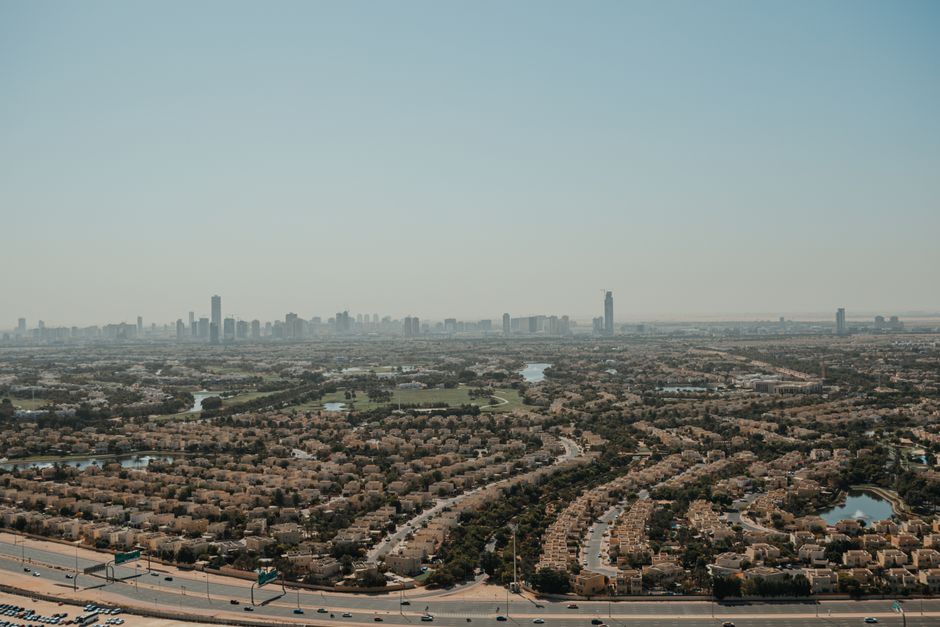
Walk through Zabeel Park on a Friday morning, and you'll witness something remarkable: thousands of residents jogging past manicured gardens, children splashing in man-made lakes, and elderly couples enjoying shaded pathways—all within sight of the Burj Khalifa. This juxtaposition—nature thriving in one of the world's harshest climates—represents Dubai's most distinctive contribution to global urban design.
Unlike Central Park's organic evolution or London's Victorian heritage gardens, Dubai's green spaces are engineered triumphs. The city boasts over 2,000 parks spanning 6,000+ hectares, an extraordinary achievement for a metropolis where annual rainfall barely exceeds 100mm. The ambitious Dubai Parks and Gardens initiative has transformed neighbourhoods from Business Bay to Jumeirah, with investment exceeding AED 2 billion in recent years.
What truly sets Dubai apart is the integration of climate-adaptive design with luxury lifestyle infrastructure. Safa Park, spanning 64 hectares, features amphitheatres, cycling tracks, and botanical collections designed to thrive in desert conditions—think native ghaf trees alongside imported species in climate-controlled zones. Similarly, Al Marmoom Desert Conservation Reserve near Arabian Ranches offers an entirely different experience: preserved natural ecosystem within an urban boundary, attracting bird-watchers and nature photographers worldwide.
The innovation extends beyond traditional parks. Vertical gardens have become architectural statements in Downtown Dubai, while the Creek Harbour development reimagines waterfront living with 3.5 kilometres of public spaces featuring native vegetation and temperature-controlled microclimates. The Deira Waterfront Project promises to revitalise the historic creek with indigenous plantings and community gardens—a nod to Dubai's horticultural heritage amid modernisation.
Global comparisons are instructive. While Singapore's Gardens by the Bay draws 9 million annual visitors, Dubai's distributed park network serves residents daily without concentration. New York's Central Park offers 843 acres; Dubai's combined parks system provides genuine respite at scale. The difference: accessibility. Most Dubai residents live within 500 metres of quality green space—a metric rarely achieved elsewhere.
The challenge remains sustainability in an arid climate. Dubai's parks consume approximately 400 million gallons of treated wastewater annually, with plans to increase recycled water usage to 95 percent by 2030. This circular economy approach, combining beautification with resource management, represents a model increasingly studied by water-stressed cities globally.
For visitors and residents alike, Dubai's parks answer a fundamental question: can human ambition and natural beauty coexist in the desert? The answer, evident in every blooming garden and every sunset congregation at Zabeel, is an emphatic yes.
This article was compiled by AI from the sources linked above and screened before publishing. See our editorial standards.
How does this story make you feel?
Spread the word
About this article
Published by The Daily Dubai
Daily brief
Free, in your inbox before 7am. Weekdays.
More in lifestyle