When landscape architects first sketched plans for Dubai's parks two decades ago, they faced a challenge most cities never encounter: creating lush outdoor spaces in a place where summer temperatures exceed 50°C and annual rainfall measures in millimetres rather than metres. Today, that constraint has become Dubai's greatest competitive advantage in the global race for liveable urban environments.
Walk through Zabeel Park on a cooler evening, and you'll witness something genuinely rare—a 47-hectare verdant sanctuary thriving where sand dunes once dominated. The park's engineering is as impressive as its aesthetics. Sophisticated irrigation systems, often invisible to visitors, recycle treated greywater while thousands of native and adapted species create microclimates that actually cool the surrounding air. Compare this to Central Park's organic evolution or London's inherited Victorian gardens, and you're looking at an entirely different philosophy: parks as technological achievement, not historical accident.
What truly sets Dubai apart is how comprehensively the city has woven green infrastructure into its urban fabric. The Sheikh Zayed Road median strips burst with desert roses and ghaf trees—species selected not for nostalgia but for their survival instincts. Safa Park's 64 hectares incorporate amphitheatres, cycling tracks, and water features designed to function during peak heat, whereas many global cities simply shut down outdoor programming when temperatures soar.
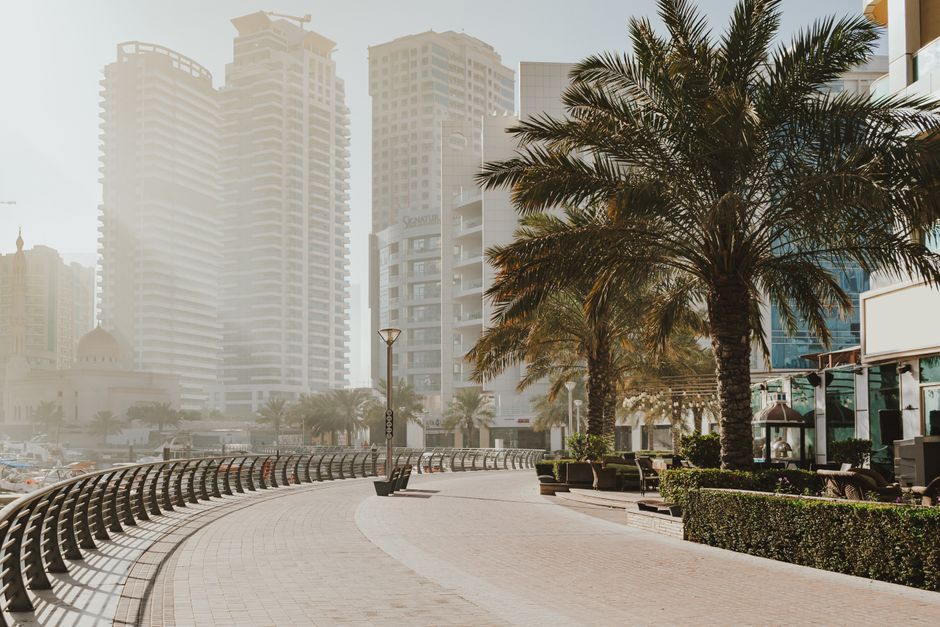
The recent expansion of Dubai's cycling network—now exceeding 500 kilometres of dedicated paths—demonstrates how parks have evolved beyond traditional recreation. The Al Khail Road cycle track and beachfront promenades from Jumeirah to Umm Suqeim aren't afterthoughts; they're integrated with parks, water features, and shaded rest areas. This systemic approach differs markedly from cities that retrofit green infrastructure into existing urban grids.
Real estate data reflects this investment's impact. Properties within 500 metres of major parks command premium prices—sometimes 15-20% above similar units further away. That premium reflects something Europeans and North Americans have long taken for granted but Dubai had to deliberately create: a sense that green space equals quality of life.
Perhaps most distinctively, Dubai's parks celebrate rather than hide their artificiality. The fountains at Zabeel Park, the engineered wetlands at Ras Al Khor Wildlife Sanctuary, and the meticulously planned gardens at the Dubai Miracle Garden don't pretend to be untouched nature. Instead, they represent humanity's capacity to harmonise with—or respectfully manipulate—environmental constraints.
As climate change intensifies worldwide, Dubai's parks offer a masterclass in resilience. While other cities struggle with drought and heat stress on inherited green spaces, this desert metropolis has already solved the equation: in Dubai, outdoor living didn't evolve—it was deliberately, brilliantly engineered.
This article was compiled by AI from the sources linked above and screened before publishing. See our editorial standards.