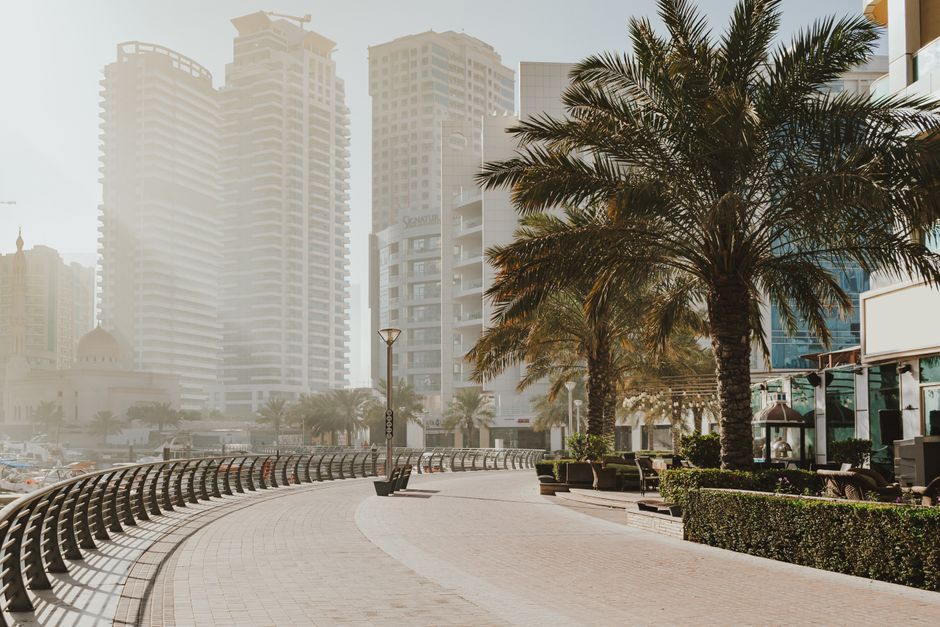
Walk through Zabeel Park on a Thursday evening, and you'll witness something that defies the geography of the Gulf: thousands of residents sprawled across manicured lawns beneath date palms and flowering shrubs, with the glittering skyline of Downtown Dubai framing the scene. This juxtaposition—lush vegetation thriving in one of the world's most arid regions—is precisely what makes Dubai's approach to parks and outdoor living fundamentally different from anywhere else globally.
While cities like Barcelona and Singapore have built their green credentials on natural landscapes and climate advantages, Dubai has engineered paradise from desert bedrock. The emirate's parks aren't afterthoughts to urban development; they're deliberate statements of possibility. Al Safa Park spans 64 hectares with jogging tracks, picnic zones, and botanical gardens that shouldn't logically exist here. Yet they do, maintained through sophisticated irrigation systems and horticultural expertise that costs the municipality millions annually.
The innovation extends beyond scale. Mushrif National Park, sprawling across 8,700 hectares, combines heritage conservation with modern recreation—camel farms sit alongside mountain bike trails and heritage villages, creating a uniquely Emirati outdoor experience unavailable in Western equivalents. Meanwhile, the newer Al Khawaneej Park introduces digital integration, with app-based facility bookings and real-time crowd monitoring that tech-forward cities are only beginning to explore.
What truly distinguishes Dubai is the demographic diversity these spaces accommodate. On any given evening, Creek Park hosts multigenerational groups from over 200 nationalities. The pricing structure—AED 5 entry for most parks—ensures accessibility across income levels, a consideration that wealthy cities sometimes neglect. Families can spend entire weekends here for minimal cost, creating a democratised outdoor culture.
The sustainability angle adds another layer. Dubai's parks department has invested heavily in native desert landscaping and water-efficient irrigation, quietly reshaping perceptions of what Gulf cities can achieve ecologically. The Knowledge Village Community Park showcases this ethos: recycled materials, rainwater harvesting systems, and plantings specifically chosen for their resilience in extreme heat.
Yet perhaps the most distinctive element is the aspirational narrative. These parks represent Dubai's refusal to accept geographical limitations. In cities where green space emerged organically, parks are valued as preservation. Here, they're celebrated as conquest—verdant testaments to human determination in an unforgiving climate.
As global cities increasingly grapple with heat, water scarcity, and rapid urbanisation, Dubai's parks offer an unexpected blueprint: not for replicating its methods, but for reimagining what outdoor living can mean when you start with nothing but vision.
This article was compiled by AI from the sources linked above and screened before publishing. See our editorial standards.