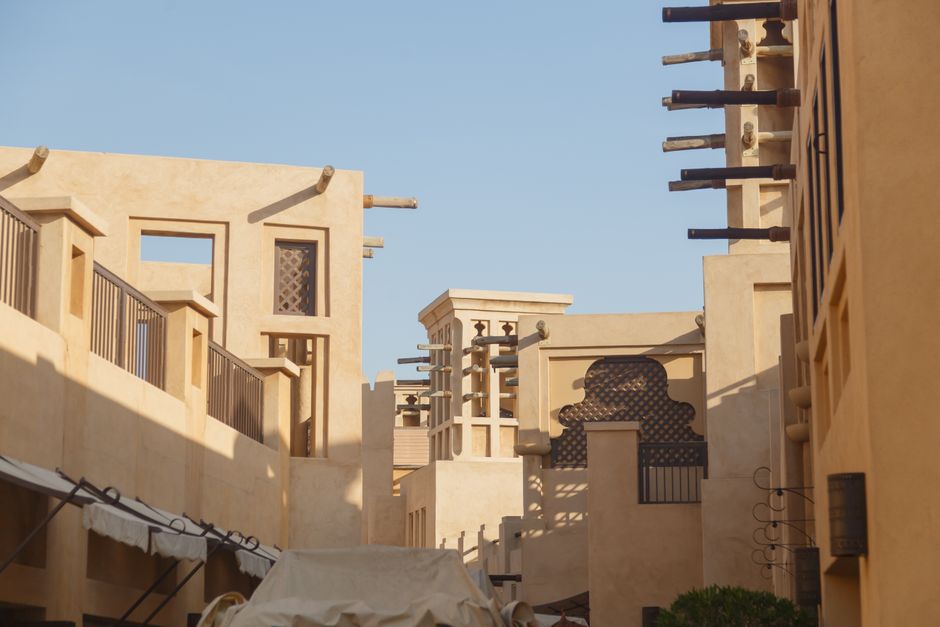
Walk through the narrow lanes of Deira's Gold Souk on a Thursday evening, and you'll witness something that no air-conditioned atrium can replicate: the rhythmic hum of a neighbourhood living its daily life. Shopkeepers call out greetings to regulars, families weave between stalls with shopping bags in hand, and the aroma of Arabic coffee drifts from corner cafés where deals—both commercial and personal—have been sealed for generations.
This is where Dubai's retail soul resides, far removed from the developer-driven narratives. The Gold Souk alone generates over AED 2 billion in annual transactions, yet its true value lies in the relationships embedded within its 250-plus shops. Many outlets have operated under the same family ownership for 40 years or more, creating a social fabric that transcends commerce. Indian expatriates, Emirati nationals, and visiting Gulf residents converge here not merely to purchase—though prices remain 10-15% below retail chains—but to belong.
The Spice Souk, adjacent to the waterfront, operates as an unofficial community hub. Beyond the fragrant cardamom, saffron and oud, shopkeepers serve as informal advisors to customers navigating everything from wedding preparations to family celebrations. A kilogram of premium saffron costs roughly AED 2,500 here, compared to AED 3,200 in luxury boutiques, but the differential fee barely captures the value exchange.
Similarly, Al Fahidi Street—the heritage corridor linking the textile and perfume souks—has become a gathering point for younger generations discovering their cultural identity. Weekend foot traffic has surged 34% since 2024, according to local tourism bodies, as residents seek authentic alternatives to homogenized shopping experiences. The textile merchants, predominantly Pakistani and Indian families, have begun hosting informal workshops on traditional fabric selection, transforming transactions into educational moments.
What distinguishes these spaces is their democratic accessibility. A tourist and a local executive queue alongside a domestic worker, each receiving equal attention and respect. Price negotiation remains an art form, but also a social ritual—a chance to exchange stories, recommendations and laughter.
Dubai's neighbourhood markets persist not through nostalgia but through genuine utility and community. They function as economic lifelines, cultural preserves, and social anchors in a city often defined by its superlatives. For residents seeking authenticity amid unprecedented growth, these souks represent something increasingly rare: spaces where commerce serves connection rather than replacing it.
This article was compiled by AI from the sources linked above and screened before publishing. See our editorial standards.