Dubai's lifestyle narrative is carefully curated, but those of us who actually live here know the real story is far messier—and more rewarding—than the Instagram posts suggest. After speaking with long-term residents across the city's most popular neighbourhoods, a clearer picture emerges of where to genuinely plant roots.
Downtown Dubai remains the default choice for newcomers, and with reason. The proximity to the Dubai Mall, Burj Khalifa, and professional services is undeniable. Yet residents consistently warn about the hidden costs: a one-bedroom apartment typically runs AED 4,500–6,000 monthly, and the area transforms into a tourist corridor after 6 p.m. Those seeking quieter authenticity often redirect toward Jumeirah or Al Safa, where tree-lined streets feel more residential. A two-bedroom villa here averages AED 7,000–9,000 per month, but the trade-off is longer commutes to the Marina or Business Bay.
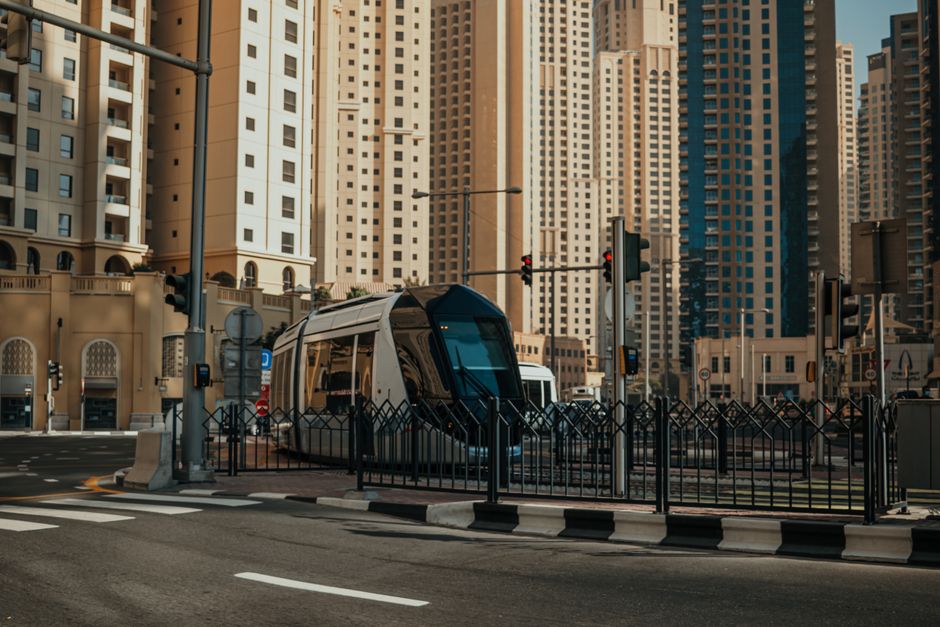
The newer communities like Arabian Ranches and Damac Hills have captured families seeking space without sacrificing modern amenities. Residents praise the masterplanned infrastructure—parks, pools, community centres—though they acknowledge the isolation factor. You're essentially buying lifestyle cohesion; connectivity to older Dubai neighbourhoods requires deliberate planning. Public transport improvements on the Red Line have helped, but daily driving remains necessary for most.
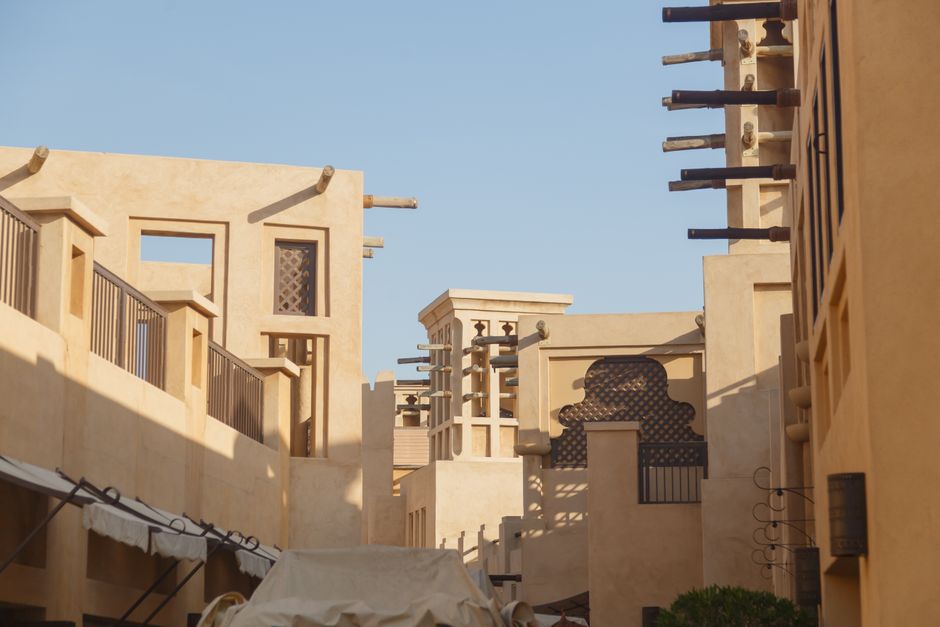
Deira and Bur Dubai present an entirely different proposition. Historic residents here emphasize authenticity and affordability—a studio in the Gold Souk area might cost AED 1,500–2,000 monthly. The trade-offs are immediate: narrow streets, older buildings, and noise from the creek. Yet the community spirit, proximity to international schools like Our Own English School, and walkable souks create a texture that sanitized villa communities cannot replicate.
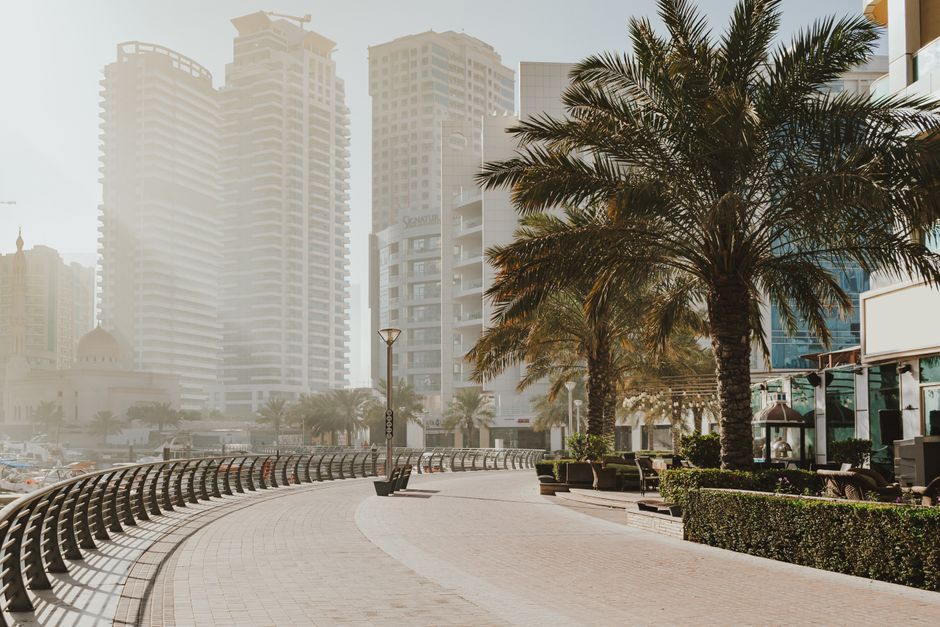
A critical insight from seasoned residents: neighbourhood choice depends entirely on lifestyle non-negotiables. Those prioritizing work-life balance often choose quieter zones like Jumeirah 1 or The Meadows, even if commutes stretch to 45 minutes. Professionals in finance gravitate toward DIFC proximity—areas like Zaabeel or JBR—accepting higher density for convenience. Families with school-age children increasingly look beyond traditional expat zones, exploring emerging areas where AED 5,000 stretches further without sacrificing safety or services.
The honest truth locals share: Dubai rewards intentional choices. Proximity, community character, and personal priorities matter far more than neighbourhood prestige. Visit neighbourhoods during rush hour, check actual school waiting lists, and talk to current residents—not real estate agents. The city has matured beyond one-size-fits-all living. Your perfect Dubai neighbourhood likely exists; it just might not be where you initially expected.
This article was compiled by AI from the sources linked above and screened before publishing. See our editorial standards.